Free Worldwide Shipping | Subscribe to Our Newsletter for 10% Off Your First Order

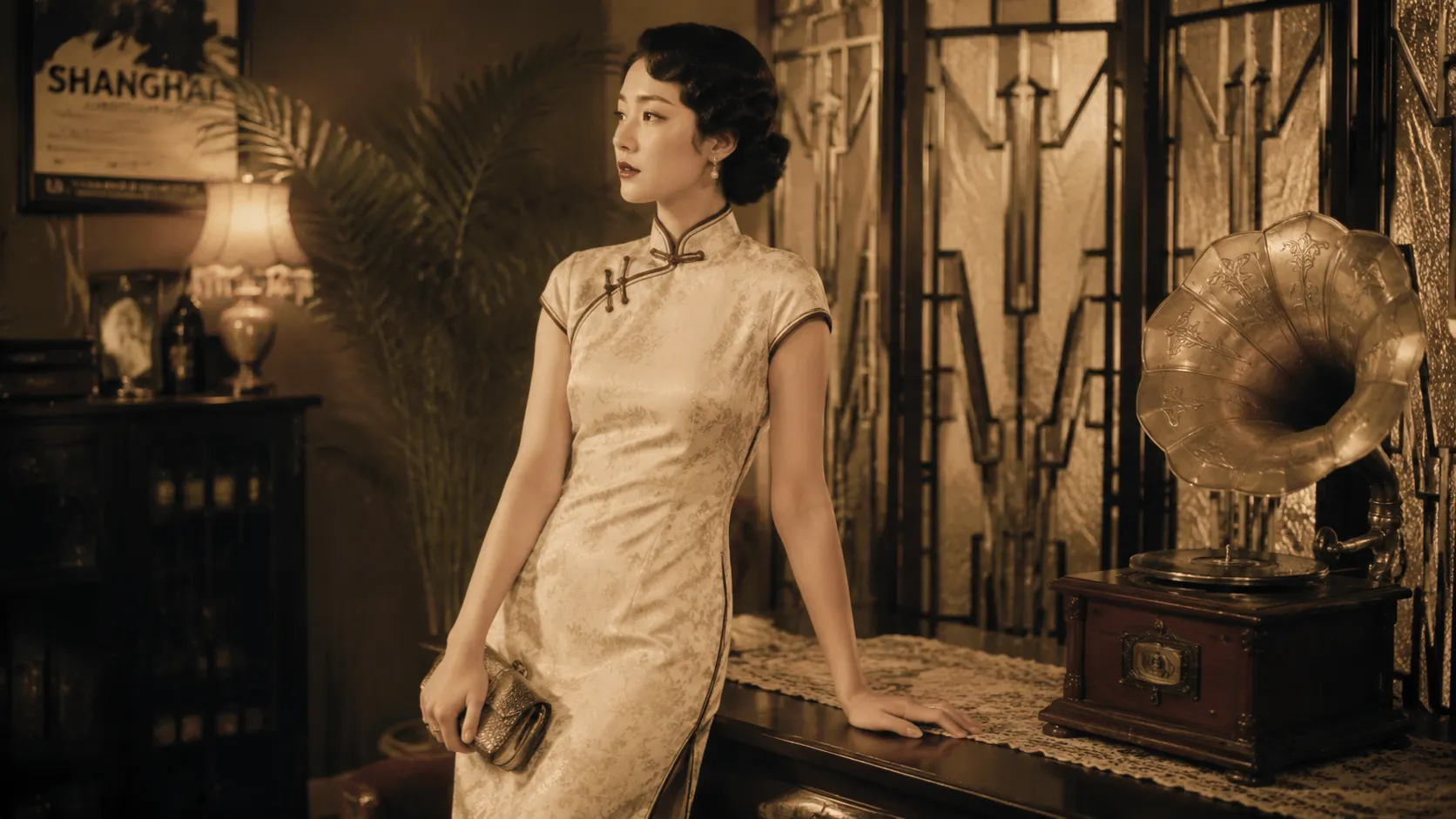
Qipao Pronunciation | How to Pronounce Cheongsam and Qipao

When discussing traditional Chinese clothing in English, Qipao and Cheongsam are the two most frequently used terms. However, the stark contrast between their phonetic spelling systems and standard English pronunciation rules often leaves native English speakers confused. It also raises a common question: do these two words actually refer to the exact same dress?
This article provides a comprehensive pronunciation guide. By the end of this read, you will not only master the most standard and authentic ways to pronounce both terms, but you will also fully understand the distinct differences and historical overlap between Qipao and Cheongsam.
Quick Guide: How to Pronounce Qipao and Cheongsam?
If you need to use these terms immediately, please refer to the pronunciation guide below. We have identified the closest English phonetic equivalents to help you get started:
- Qipao: Pronounced as “Chee-pow” (the sound is similar to the combination of the English words “Cheese” and “Power”).
- Cheongsam: Pronounced as “Chong-sahm” (the sound is similar to the combination of the English words “Chong” and “Psalm”).

In Depth Phonetic Analysis: Pronunciation Rules for Qipao
Pinyin and International Phonetic Alphabet (IPA) Explained
The word Qipao directly uses the modern Hanyu Pinyin system from mainland China.
- Pinyin: qí páo
- IPA: /tʃiːˈpaʊ/ (general English IPA) or the more precise /t͡ɕʰi³⁵ pʰɑu̯³⁵/
Crucial Tone Tips:
Mandarin is a tonal language. Both syllables in Qipao (qí páo) use the second tone, which is a rising tone. If you want to sound like a true native speaker, your intonation needs to go up. Imagine the rising pitch you use in English when expressing surprise or asking a question, such as saying “What?” or “Yes?“.
Why the Letter Q Must Never Be Pronounced as a K Sound
This is the most common pitfall for overseas fashion bloggers and native English speakers, mispronouncing Qipao as Kee pao.
When Chinese linguists developed the Pinyin system in the 1950s, they assigned the letter Q to represent an unaspirated alveolo palatal affricate to fully utilize the Latin alphabet. Therefore, in Chinese Pinyin rules, Q always sounds like the English “ch”. It is absolutely not the hard /k/ sound found in English words like Queen, Quick, or Qatar. Remember this single rule, and your Chinese pronunciation will instantly surpass that of 90 percent of non native speakers.
Cantonese Etymology: Pronunciation Guide for Cheongsam
Why is the Spelling So Unique?
Many language learners wonder: if Chinese has Pinyin, why does a spelling like Cheongsam even exist? The answer lies in regional dialects.
Cheongsam does not belong to the Mandarin Pinyin system at all. It originates from the Cantonese word for “long shirt” (written as chèuhng sāam in Jyutping). In the mid 20th century, Hong Kong, as a British colony, served as the ultimate hub for cultural exchange between the East and the West. The term was transliterated into English using early Wade Giles or Hong Kong government Cantonese romanization, firmly cementing its place in authoritative English dictionaries forever.
Standard English IPA and Pronunciation Pitfalls to Avoid
- British Pronunciation: /ˌtʃɒŋˈsæm/
- American Pronunciation: /ˈtʃɔːŋˌsɑːm/
Pronunciation Pitfall Guide: Do Not Swallow the Ending Sound!
When you read the final syllable sam, you must realize it is a closed mouth nasal sound. Many beginners get careless and pronounce it with an open “sang” sound. The correct method is simple: as your voice finishes the word, your upper and lower lips must completely close (just like the mouth movement at the end of the word Mom), allowing the residual sound to resonate through your nasal cavity. Only then will you produce an authentic Cantonese flavor.
Historical Background: What Exactly is the Difference Between Cheongsam and Qipao?
Today in the West, Qipao and Cheongsam refer to the exact same garment (the form fitting Chinese women dress), differing only in whether the Mandarin or Cantonese name is used. Historically, however, they went through completely different developmental trajectories before finally merging in the 1920s.
You can clearly understand their evolution through the following three historical stages:
Stage One: The Qing Dynasty (1644 through 1911) Two Different Concepts
During this era, these two terms represented entirely different groups of people and clothing styles:
- Qipao: Literally meaning “the robe of the banner people.” This was the traditional clothing worn by Manchu women. It featured a loose, straight, A line cut designed to conceal the female body curves, maintaining a highly conservative style.
- Cheongsam: Literally meaning “long shirt” or “long clothes.” During the Qing Dynasty and the early Republic of China, this term primarily referred to the loose, long robes worn by Han Chinese men (usually paired with a riding jacket).
Stage Two: 1920s Shanghai The Birth of the Modern Qipao
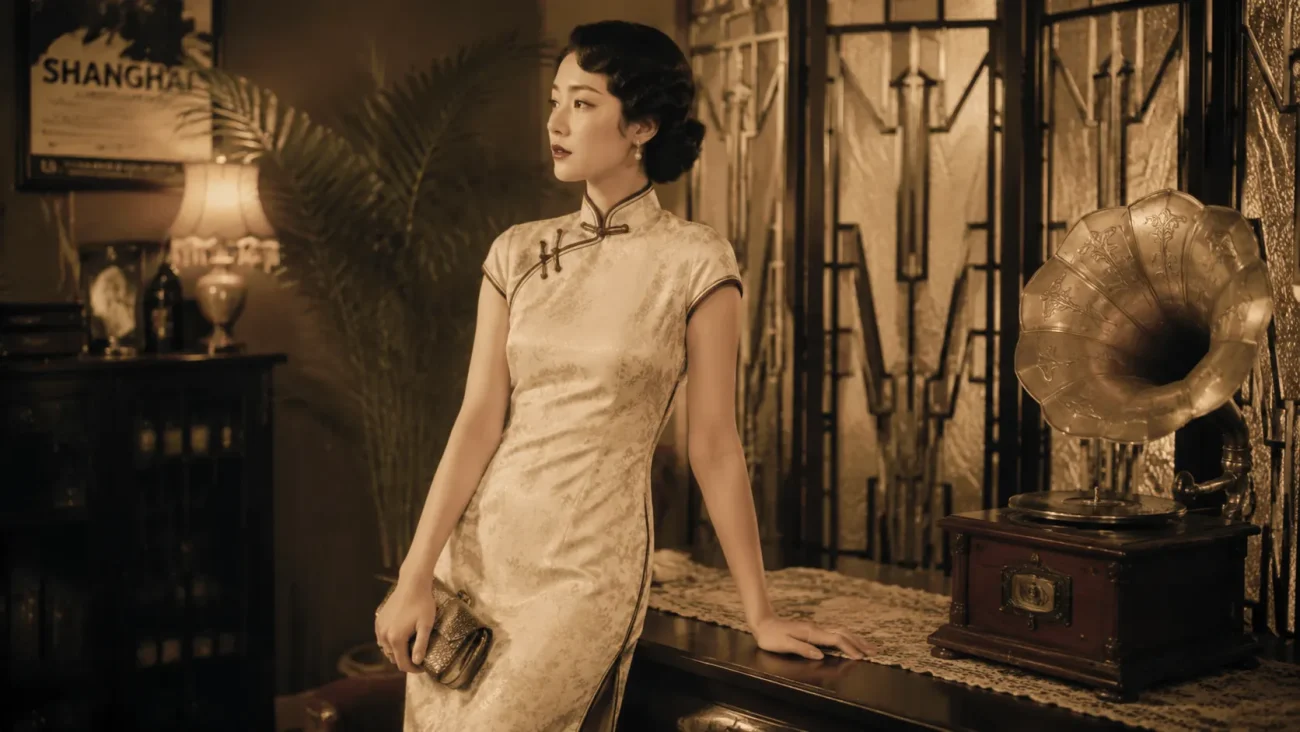
1920s Shanghai (often called the “Paris of the East”) was the place where these two vocabulary words underwent a chemical reaction.
With the rise of the women liberation movement and the introduction of Western tailoring techniques (such as darts, zippers, and shoulder pads), Shanghai tailors launched a bold revolution against the traditional loose robes:
- They adopted the form fitting cuts of Western evening gowns, highlighting the natural curves of the female body for the very first time.
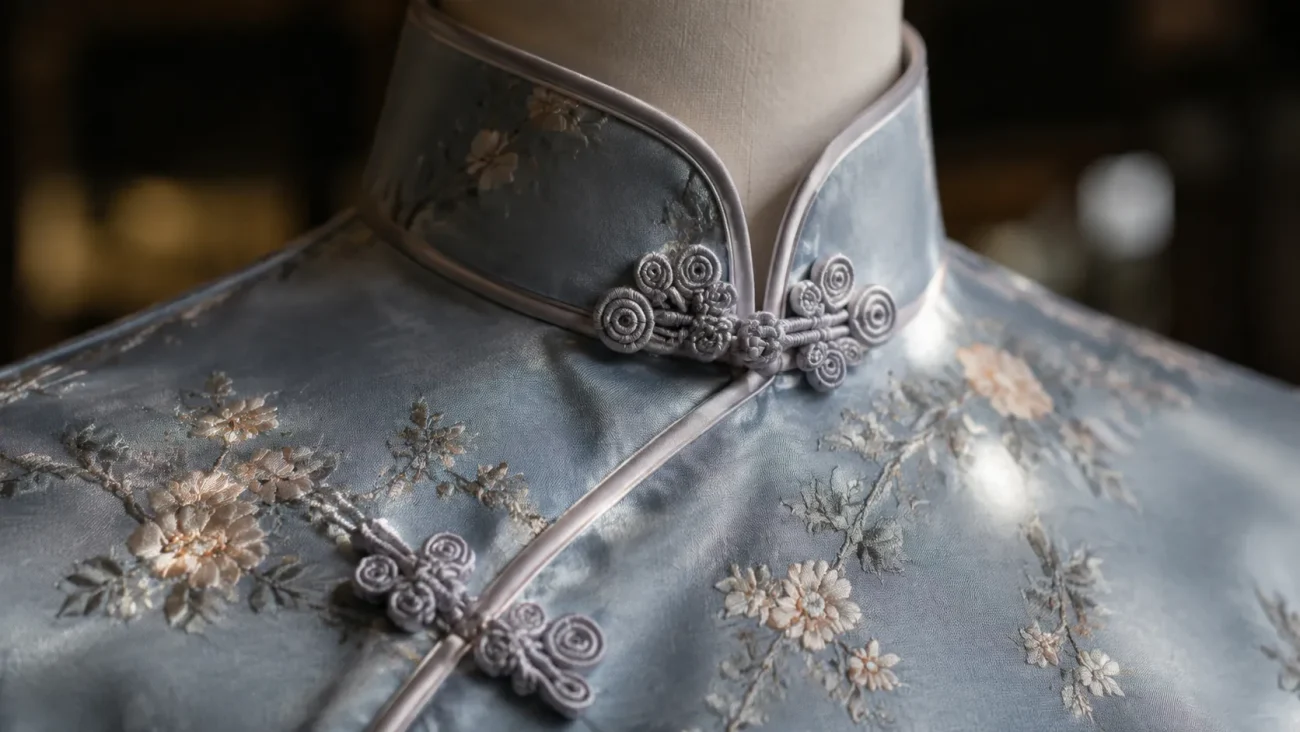
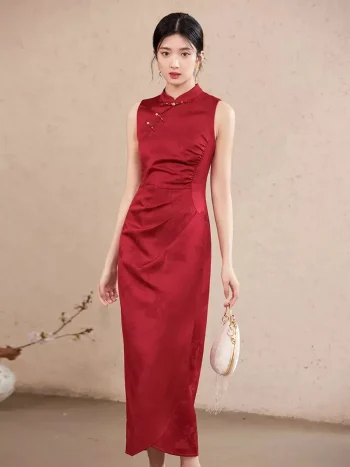
- They retained distinct Oriental elements like the Mandarin collar, frog closures, and side slits.
This new type of dress, blending Eastern and Western aesthetics, was called the “Modern Qipao” in Mandarin speaking regions, and it rapidly became the everyday uniform for urban Chinese women.
Stage Three: 1950s Hong Kong Stepping onto the Global Stage
After 1949, a large number of top tier Shanghai tailors migrated to Hong Kong, bringing their exceptional craftsmanship with them. In Hong Kong, a predominantly Cantonese speaking region, locals were accustomed to calling this one piece dress Cheongsam.
Accompanied by the boom of Hong Kong cinema in the 1950s and 60s (such as the iconic looks in In the Mood for Love), along with Hong Kong pivotal status in international trade, the Cantonese pronounced term Cheongsam was officially entered into English dictionaries. It became the Western world first impression of this iconic dress.
Summary Comparison Table
| Comparison Aspect | Qipao | Cheongsam |
|---|---|---|
| Romanization System and Origin | Modern Hanyu Pinyin (Mandarin) | Wade Giles Romanization / Hong Kong Romanization (Cantonese) |
| Early Historical Meaning | Loose, straight robes worn by Manchu women | Loose robes worn by Han Chinese men |
| Modern Fashion Meaning | Form fitting Chinese style dresses for women | Form fitting Chinese style dresses for women |
| Primary Regions for This Term | Mainland China, Taiwan, and global Mandarin speaking communities | Hong Kong, Singapore, Malaysia, and English language dictionaries |
Frequently Asked Questions (FAQ)
Q: What is the easiest way to pronounce Qipao?
A: The easiest English phonetic approximation is Chee pow. Pronounce the first half like “Cheese” (without the “se” sound) and the second half like the beginning of “Power”.
Q: What sound does the Q in Qipao make?
A: In Chinese Pinyin, Q makes a “Ch” sound (similar to the starting sound in “Church”). You must never pronounce it with the “K” sound found in the English word “Queen”.
Q: Does Qipao have tonal inflections?
A: Yes. In Mandarin, it is written as qí páo, with both characters using the second tone (a rising tone). It sounds very similar to the rising intonation used in English question sentences.
Q: Are Cheongsam and Qipao the exact same dress?
A: In modern English and Western contexts, they refer to the exact same garment (the form fitting Chinese dress). The only difference is the regional dialect used to name it.
Q: Should I say Qipao or Cheongsam when shopping for clothes?
A: Both terms are widely accepted in the West. You will see Qipao used more frequently in haute couture or contemporary Chinese designer brands, whereas Cheongsam is much more common in vintage boutiques.
Related Articles
- What is Cheongsam? About qipao dress
- Qipao History | Chinese Cheongsam Dress History
- Modern Qipao vs Traditional Qipao | What is the Difference?
- Qipao vs Cheongsam | What is the Difference?
References & Sources

Related posts
Qipao Pronunciation | How to Pronounce Cheongsam and Qipao
When discussing traditional Chinese clothing in English, Qipao and Cheongsam are the two most freque...

What Do the Colors of a Qipao Represent?
The qipao, also known as the cheongsam, is one of the most recognizable traditional garments in the ...
Can Non Chinese Wear Qipao? Can Foreigners Wear Qipao
Qipao, also written as qipao or cheongsam, is one of the most recognizable traditional garments in C...
Can Anyone Wear Qipao? Can White People Wear Cheongsam?
Qipao, also commonly written as qipao or cheongsam, is one of the most recognizable Chinese garments...
How to Clean and Maintain Qipao / Cheongsam
Buying a qipao you love is only the first step. The real challenge is keeping its drape and sheen in...
Qipao History | Chinese Cheongsam Dress History
The qipao, also known as the cheongsam, is one of the traditional garments that best represents the ...
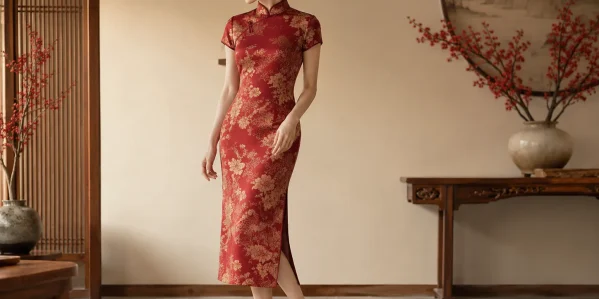
What Shoes to Wear With a Qipao | Cheongsam Shoes Matching Guide
Qipao, also known as Cheongsam, originated in the 1920s and 1930s and is one of the most iconic form...
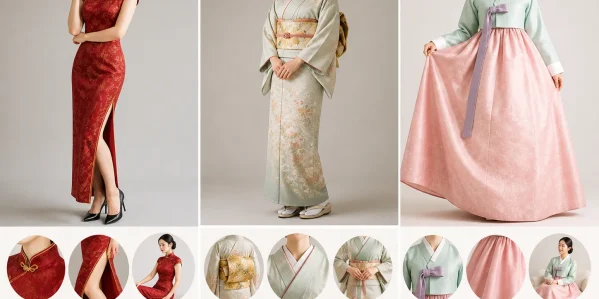
Qipao vs Kimono vs Hanbok | What is the Difference?
Qipao, kimono, and hanbok represent the traditional clothing cultures of China, Japan, and Korea, re...
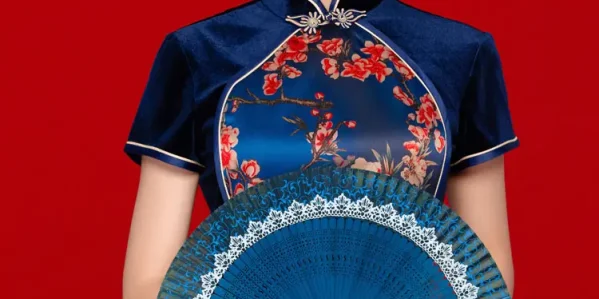
Kimono vs Qipao / Cheongsam | What is the Difference?
Kimono and qipao are both highly recognizable Eastern garments, but they come from different cultura...
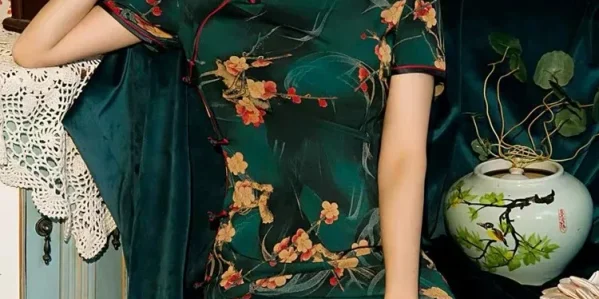
Modern Qipao vs Traditional Qipao | What is the Difference?
Modern qipao and traditional qipao both come from Eastern fashion aesthetics, but they are not the s...
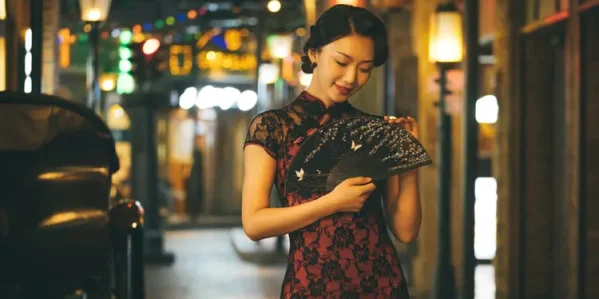
Hanfu vs Qipao / Cheongsam
Hanfu and Qipao/Cheongsam are the most representative classic Chinese garments, each boasting distin...
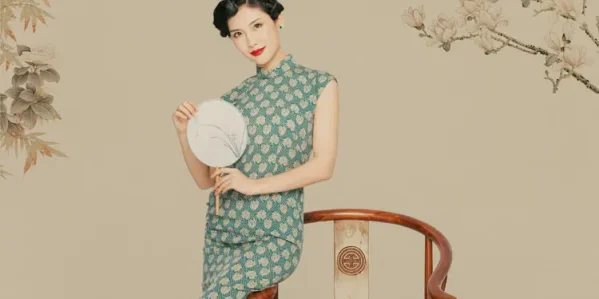
Qipao vs Cheongsam
If you are familiar with Chinese traditional clothing, you must be familiar with the two terms Cheon...
Bestselling Qipao


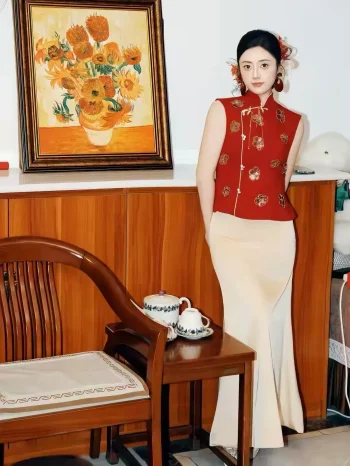
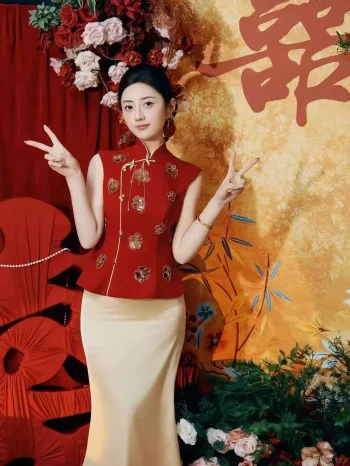
Modified Chinese Red And Gold 2 Piece Qipao Set
Price range: $118.00 through $133.00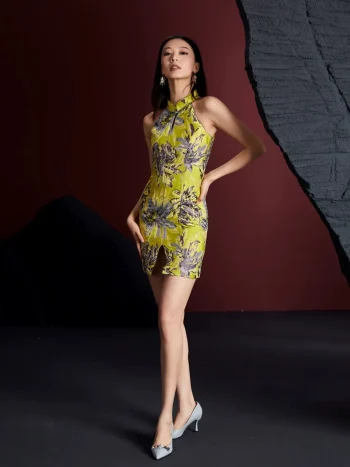

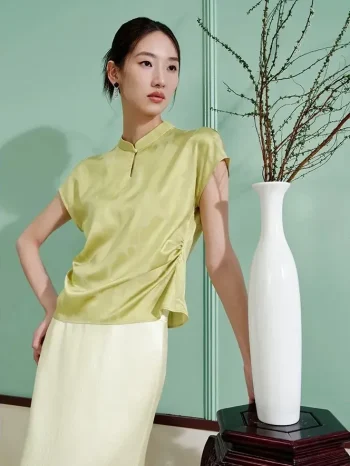
Women’s Lemon Yellow Modernized Short Qipao Dress
Price range: $121.00 through $129.00
Recent Comments