Free Worldwide Shipping | Subscribe to Our Newsletter for 10% Off Your First Order


The qipao, also known as the cheongsam, is one of the traditional garments that best represents the elegant temperament of Chinese women. It has evolved from an early form of dress into a clothing category that works across a wide range of settings and body types. The qipao reflects Chinese culture, social change, and shifting ideas of feminine beauty. This article breaks down the qipao’s origins, design, styling, and cultural meaning so you can easily get to know this classic Chinese garment.
What Is a Qipao?
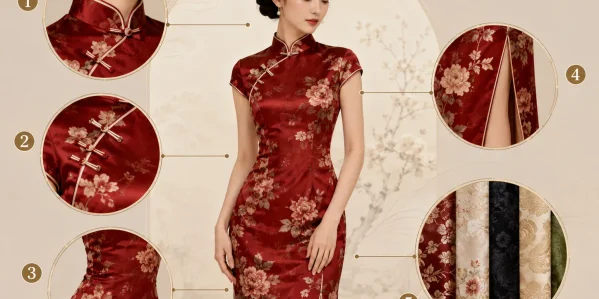
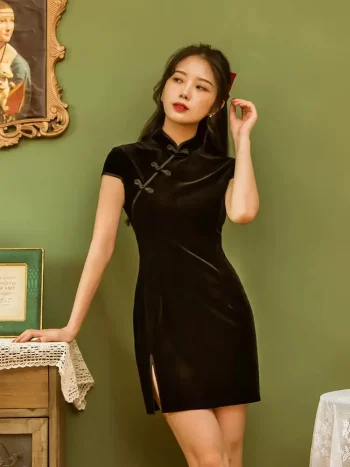
The qipao is a classic women’s fashion item that emerged in 20th century China, and it is the only Eastern garment included in the global list of classic 20th century fashion. Traditional qipao styles are defined by a mandarin collar, an asymmetrical front closure with frog buttons, a fitted silhouette, and side slits along the skirt. Common fabrics include silk, satin, jacquard, and cotton linen, often decorated with embroidery, floral motifs, and other traditional patterns.
Where Did the Qipao Originate?
The qipao originated in the Qing Dynasty (1644–1912). It first appeared as a long robe worn by Manchu banner women, which is why it came to be called “qipao.” The term literally means “banner people’s robe.” Early versions were relatively loose. After the fall of the Qing Dynasty in the early 20th century, Chinese society became more open and Western influence began to enter urban life. In the early Republic of China period, fashionable women in major cities such as Shanghai started adapting the loose robe into a more fitted, dress like style. That became the prototype of the modern qipao. In other words, the qipao can be traced back to Manchu banner clothing, but the fitted qipao people recognize today gradually took shape during the Republic of China period (1912–1949).
The Early Development of the Qipao in China
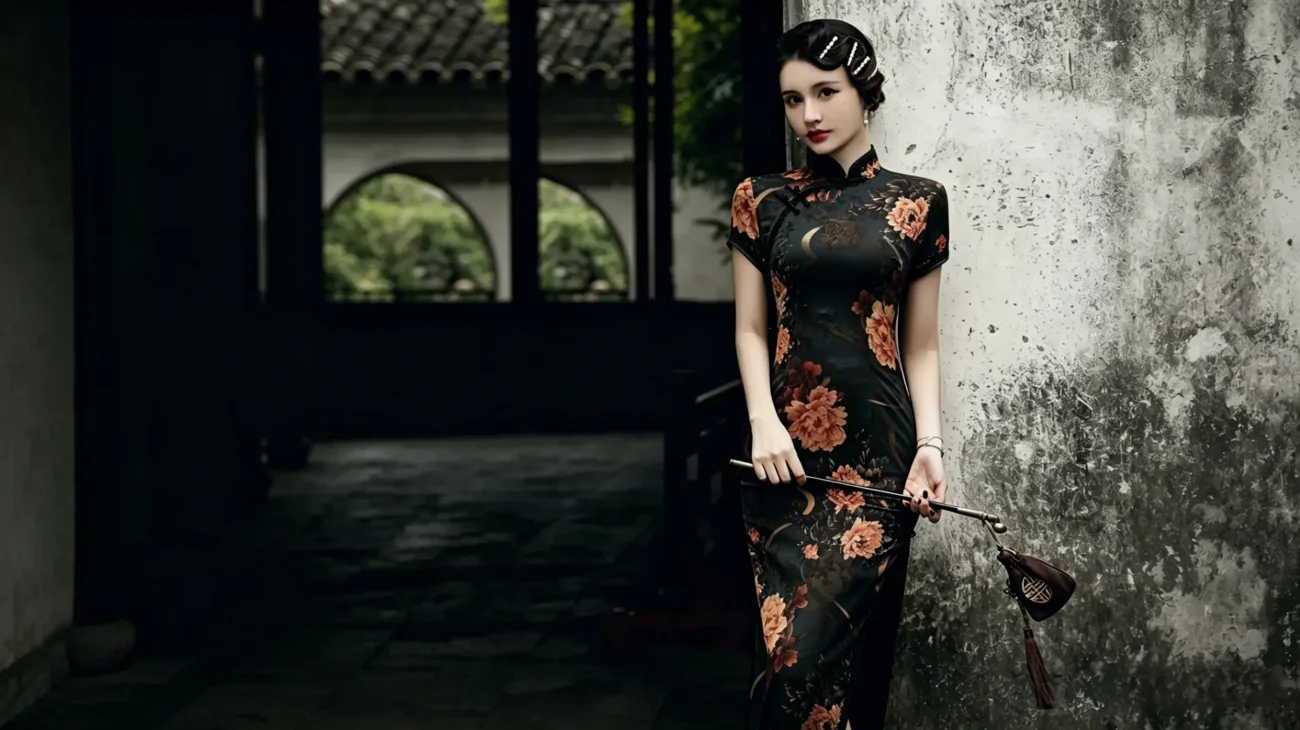
During the Qing Dynasty (1644–1912), banner clothing was generally loose and designed for modesty and ease of movement. It did not yet have the body defining silhouette of today’s qipao. By the Republic of China period (1912–1949), urban lifestyles had changed, and women were participating more actively in public life. Clothing changed along with that shift. Shanghai, in particular, became one of the most important cities in the modernization of the qipao.
From the 1920s to the 1930s, the qipao entered a period of rapid evolution. The dress became more closely fitted, the waistline became more defined, and the collar, sleeve shape, and slit height all began to vary. This period did more than change the garment itself. It also reflected changes in women’s identity, aesthetic values, and urban culture.
Key Changes in the 1920s and 1930s
The most important change in this period was the shift from a loose robe to a dress that emphasized the body’s curves more clearly. Some early modern qipaos began appearing in advertisements, magazines, and urban social settings, showing that the garment had moved from traditional dress into fashion wear. The classic qipao silhouette that many people recognize today was largely established during this period.
The Core Design Features of a Traditional Qipao
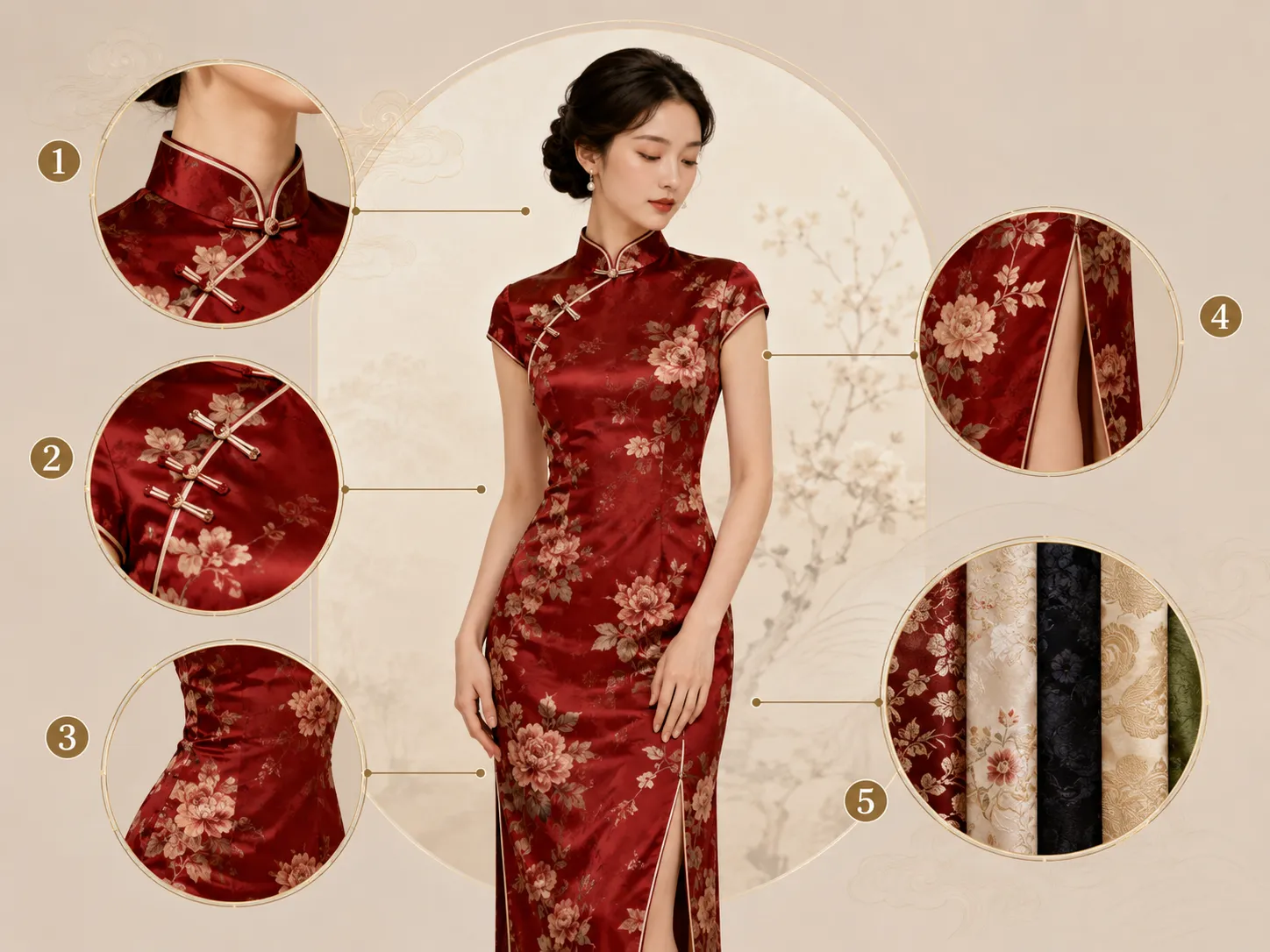
A true traditional qipao has several important design features. Understanding these features can help you better recognize the garment and judge whether a qipao stays closer to its classic form.
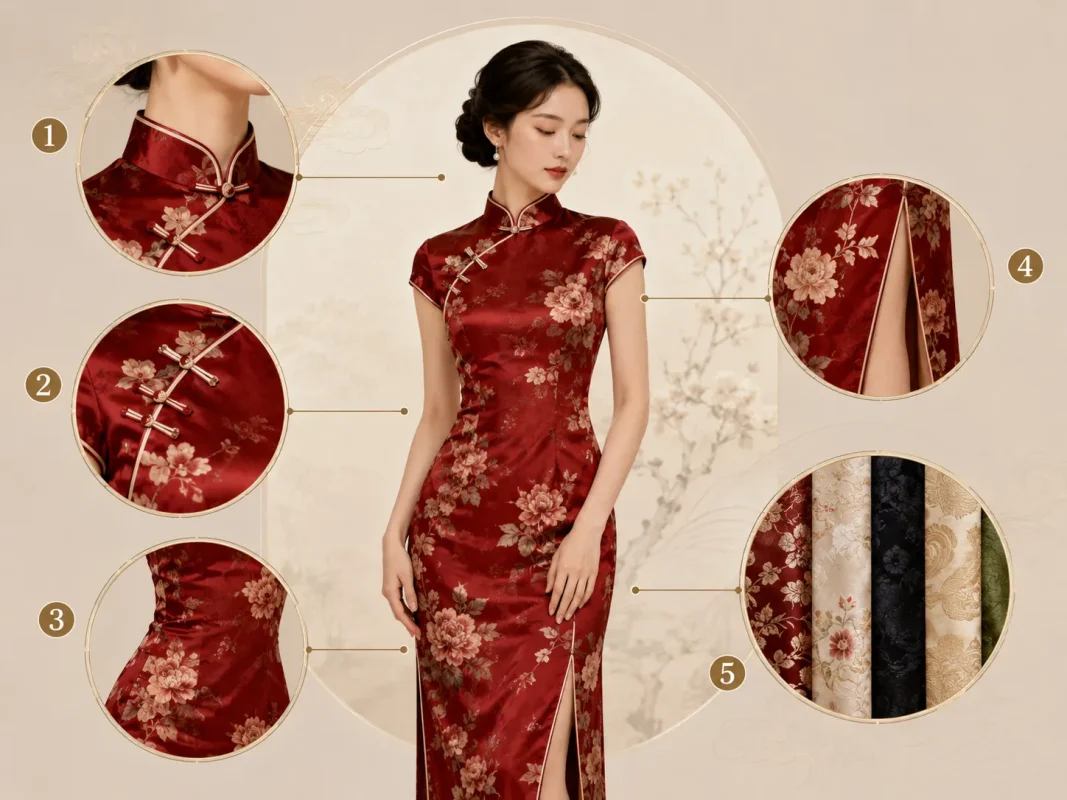
The mandarin collar is one of the qipao’s most iconic features. It makes the neckline look neat and sharp while adding a sense of dignity to the overall look. For many people, the mandarin collar is the first visual impression of a qipao.
2.Asymmetrical front closure or Chinese frog buttons
The qipao’s asymmetrical front closure, paired with frog buttons or traditional knot buttons, is both decorative and a reflection of Chinese tailoring craftsmanship. Frog buttons are not just embellishment. They are an important symbol of traditional clothing culture.
3.Fitted, but not overly tight
A classic qipao is designed to follow the body’s lines, but it does not have to be extremely tight. A well made qipao emphasizes proportion and curves rather than simply aiming for a sexy look. Its beauty lies in elegance, restraint, and overall balance.
4.Smooth skirt line and side slit
The skirt of a qipao usually has a smooth line, while the side slit makes walking easier and creates a distinct visual rhythm. The height of the slit affects how formal, casual, or suitable the garment feels for different occasions.
5.Eastern inspired fabrics and patterns
Silk, satin, jacquard, embroidery, and floral motifs are all common visual elements in qipao design. These details give the garment a distinctly Chinese aesthetic and allow it to show rich texture and depth under different lighting.
The Difference Between Qipao and Cheongsam
Qipao and cheongsam refer to the same garment: the Chinese qipao. There is no difference in style or construction. The only distinction is the pronunciation and the region in which each term is used.
Qipao is the Mandarin pinyin transliteration of the Chinese term 旗袍. It is now the most widely used official transliteration worldwide and is commonly used in mainland China and in non Cantonese speaking regions.
Cheongsam is the Cantonese transliteration of the term 长衫. It first became popular in Hong Kong and Cantonese speaking communities in Southeast Asia, and later spread to English speaking countries, including the United States, Canada, and the United Kingdom. It is still widely used today, especially within Cantonese Chinese communities.
In simple terms, the two words differ only by regional language habit. There is no distinction between “authentic” and “modernized,” and no difference in style or form.
Can Anyone Wear a Qipao?
Many people worry about whether wearing a qipao could be seen as cultural appropriation. In fact, as long as the wearer is respectful and dresses appropriately, anyone can generally wear a qipao without offending others.
Some surveys show that many people in China welcome foreigners wearing qipaos, and believe it helps the world better understand and appreciate Chinese culture. Of course, it is important not to treat the qipao like a costume or use it mockingly. When the wearer understands the cultural background of the garment and wears it with respect, it usually does not cause negative reactions.
Which Qipao Styles Suit Different Occasions?
Qipaos work well in many settings. The key difference lies in choosing the right style.
Weddings and formal celebrations
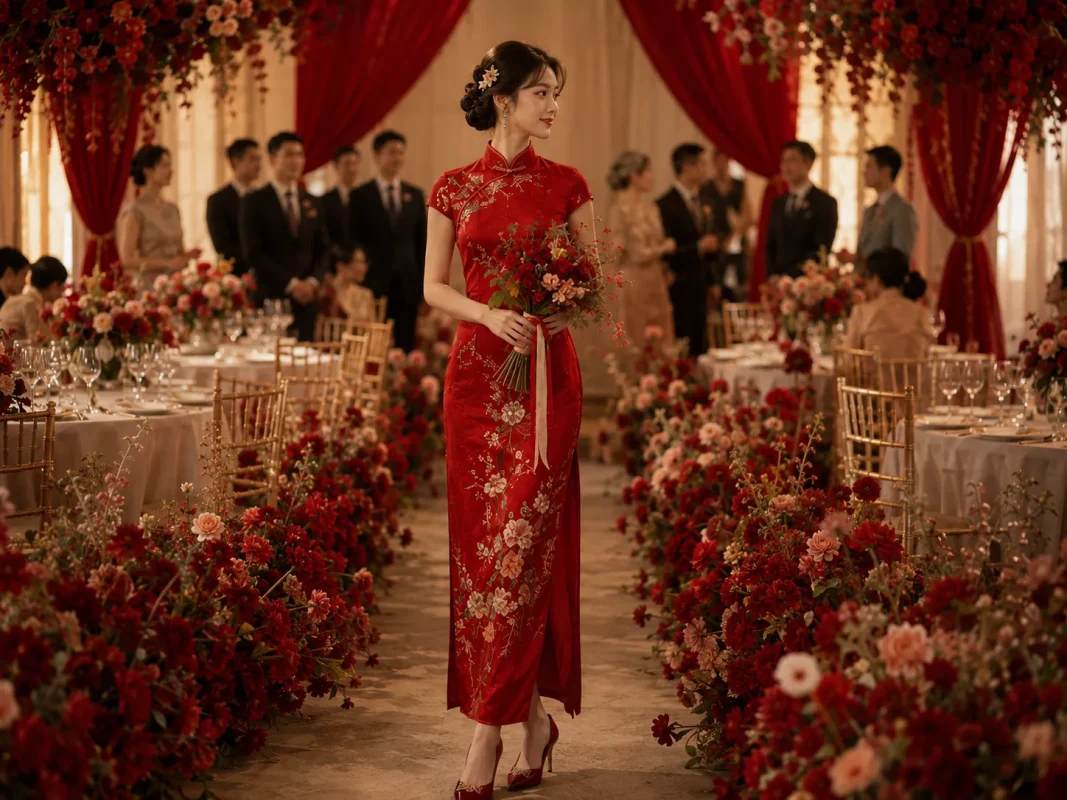
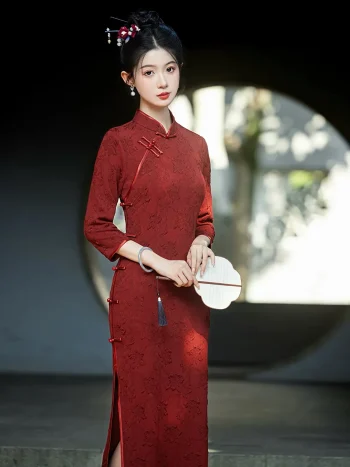
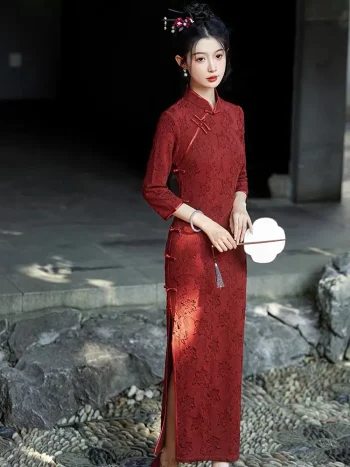
For weddings and ceremonial events, choose a more traditional and formal qipao. Red, deep wine, gold, and dark jacquard styles are all common choices. Embroidery, frog buttons, and a longer hemline help create a more dignified look.
Evening events and formal social occasions
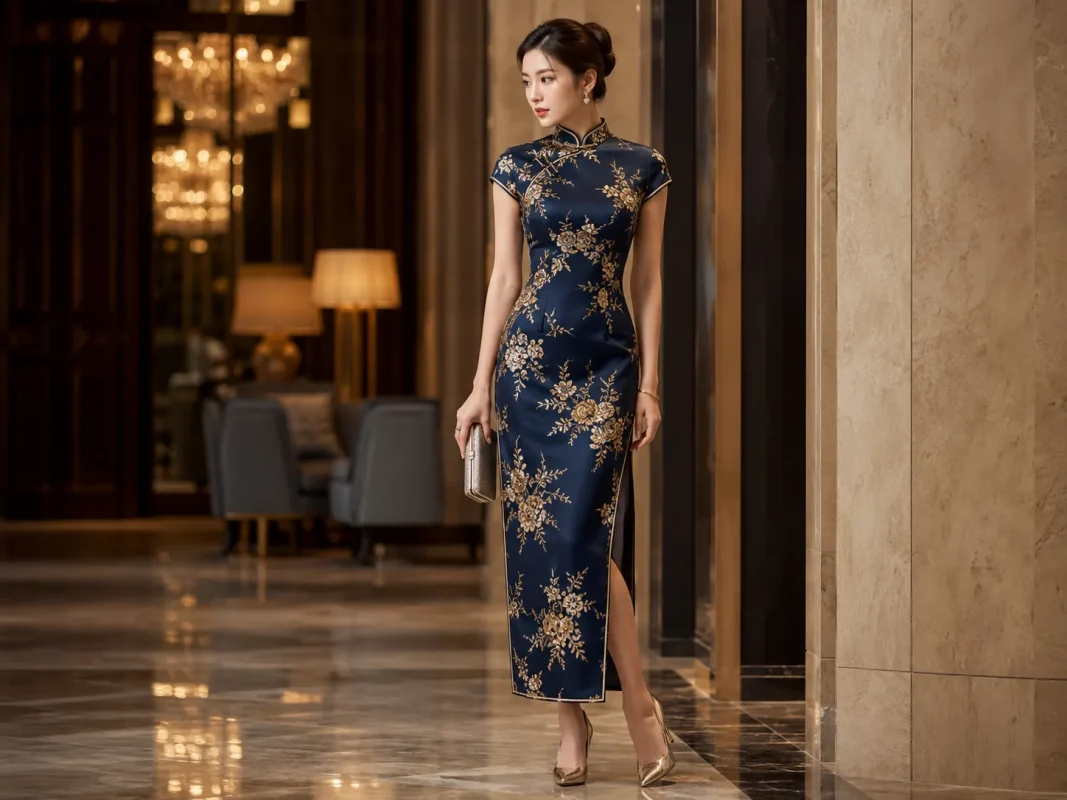
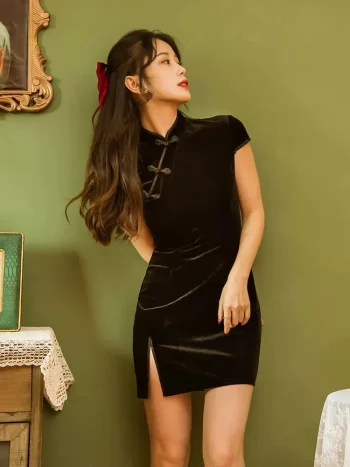
For evening events, choose a qipao with cleaner lines and more refined fabric. Black, dark green, navy, and champagne tones are all elegant choices. Pair it with simple jewelry and heels for a more polished overall look.
Casual gatherings and photoshoots
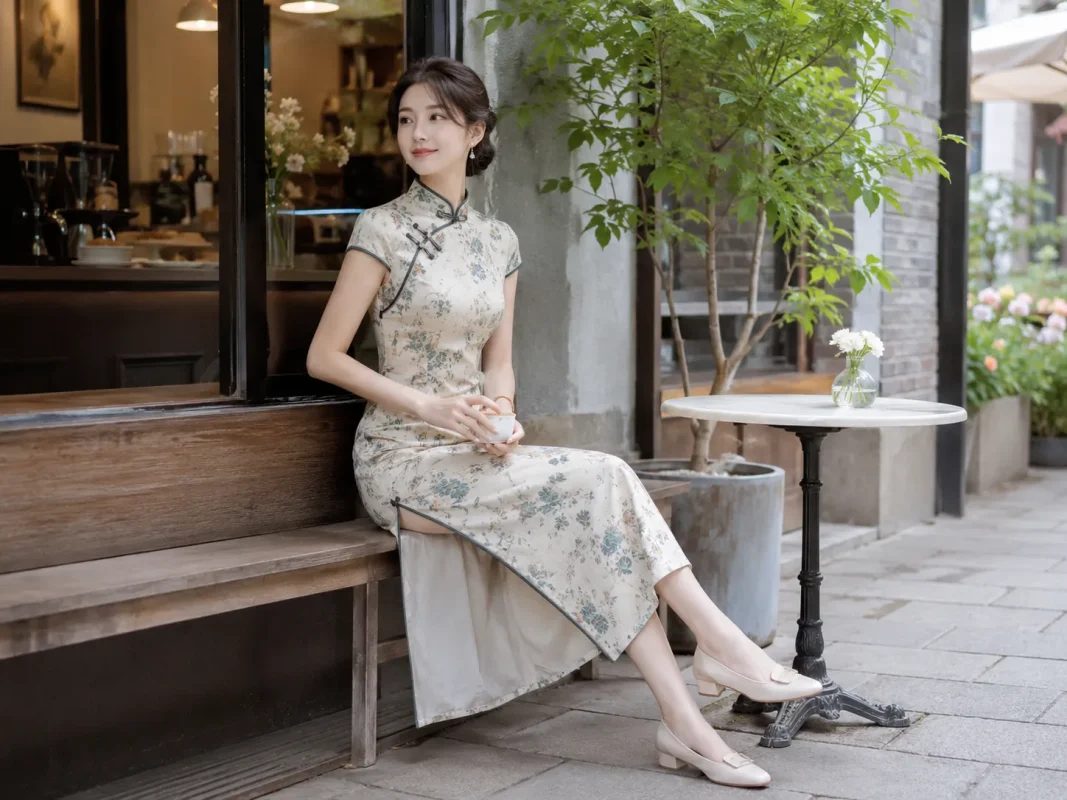
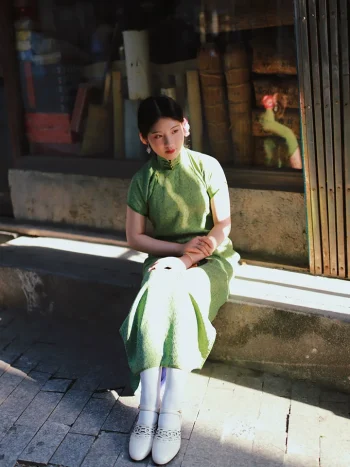
For casual gatherings and photo sessions, an updated modern qipao is often the best choice. A more natural length, a lower slit, and lighter fabric make it easier to wear and more suitable for modern everyday life.
Holidays and cultural events
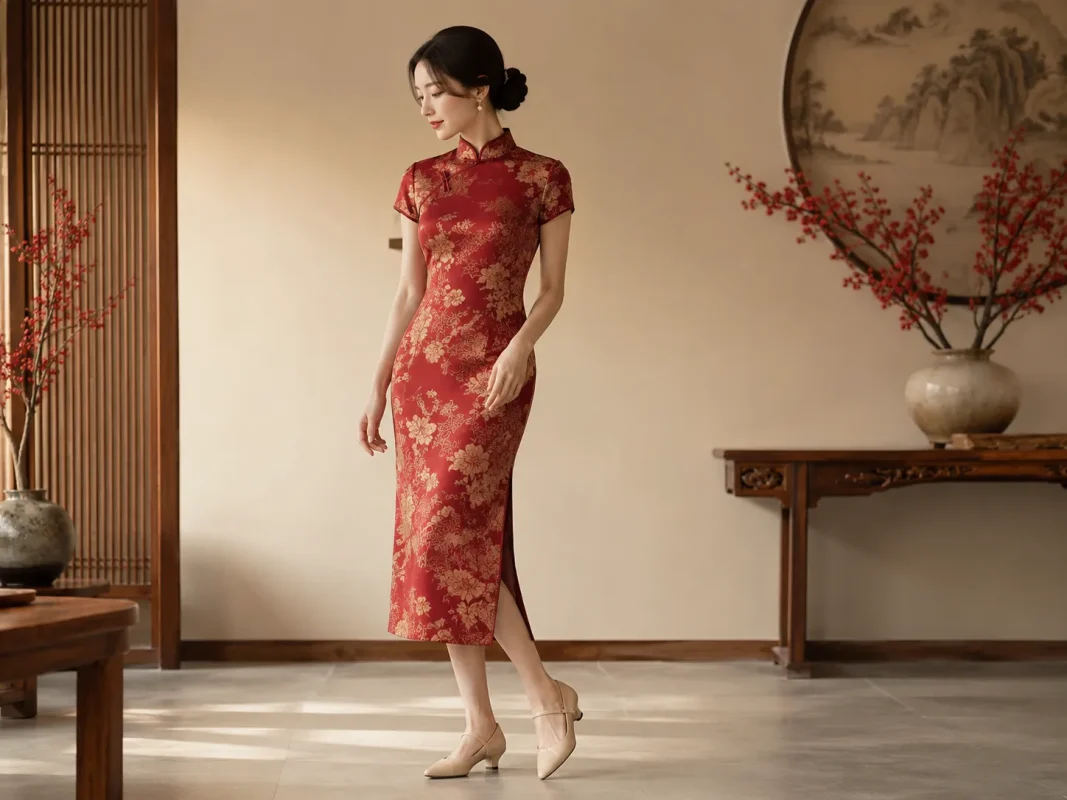
For Lunar New Year, cultural festivals, themed performances, and family gatherings, choose a qipao with Chinese patterns, handmade frog buttons, or retro details. The key is not complexity, but harmony with the atmosphere of the occasion.
Qipao FAQs
Q: Is the qipao the same as hanfu?
A: The qipao comes from Qing Dynasty Manchu clothing, while hanfu comes from much older Han Chinese traditional dress. They belong to different ethnic traditions and historical periods. In appearance, hanfu usually features wide sleeves, layered pieces, or separate top and bottom garments with a loose and flowing silhouette. The qipao, by contrast, is a one piece tailored dress with a fitted waist and a more compact line. In short, hanfu emphasizes layers and looseness, while the qipao emphasizes a fitted shape and a mandarin collar.
Q: Does the qipao have to be very formal?
A: No. A qipao can be formal or casual. What makes it feel formal is not just the style itself, but also the fabric, color, slit height, and how it is styled. A modernized qipao can be very easy to wear and does not have to feel overly ceremonial.
Q: How should a first time buyer choose a qipao?
A: For a first purchase, it is best to choose a modernized qipao with a flattering cut, a moderate length, and comfortable fabric. Good starter colors include black, wine red, navy, or light printed styles, since they are easier to wear. Compared with an extremely fitted design, an entry level style is usually more suitable for first time wearers.
Q: What shoes go well with a qipao?
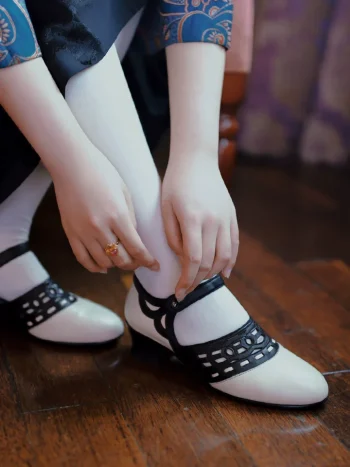
A: The most common choices are high heels, Mary Janes, low cut pumps, or slim heels with a retro feel. For formal occasions, choose shoes with clean lines. For everyday wear, more comfortable flats or low heels can work well. The simpler the shoe, the more it helps highlight the qipao’s silhouette.
Q: Is the qipao only for slim body types?
A: No. Although the classic qipao has a fitted cut, it can be custom made for different body types. With the right style and size, people of many shapes can wear a qipao beautifully. The key is accurate measurement and professional tailoring. A well fitted waist and a suitable slit height can balance both beauty and comfort. Many designers have experience making qipaos for a wide range of body types. As long as the measurements are right, the qipao can flatter different silhouettes.
Q: Can the qipao be worn every day?
A: Yes. Many modern qipaos are designed for everyday wear. As long as the cut is comfortable, the color is not overly formal, and the fabric is not too ceremonial, a qipao can absolutely become part of daily outfits rather than being reserved only for special occasions.
References & Sources
- Encyclopaedia Britannica — “Dress – Eastern, Cultural, History”
- The Metropolitan Museum of Art — “Cheongsam (1932)”
- The Metropolitan Museum of Art — “Cheongsam (1930s)”
- Qipao vs Kimono vs Hanbok | What is the Difference?
- Kimono vs Qipao / Cheongsam | What is the Difference?
- Google Arts & Culture — “Qipao is the New Fashion”
- SCIRP — “Design and Development of the Fashionable Qipao by Infliction of Hand Made Khadi Fabric”
- ResearchGate — “Re-Creation and Misunderstanding of the Qipao from a Western Perspective”

Related posts
Qipao Pronunciation | How to Pronounce Cheongsam and Qipao
When discussing traditional Chinese clothing in English, Qipao and Cheongsam are the two most freque...
What Do the Colors of a Qipao Represent?
The qipao, also known as the cheongsam, is one of the most recognizable traditional garments in the ...
Can Non Chinese Wear Qipao? Can Foreigners Wear Qipao
Qipao, also written as qipao or cheongsam, is one of the most recognizable traditional garments in C...
Can Anyone Wear Qipao? Can White People Wear Cheongsam?
Qipao, also commonly written as qipao or cheongsam, is one of the most recognizable Chinese garments...
How to Clean and Maintain Qipao / Cheongsam
Buying a qipao you love is only the first step. The real challenge is keeping its drape and sheen in...
Qipao History | Chinese Cheongsam Dress History
The qipao, also known as the cheongsam, is one of the traditional garments that best represents the ...
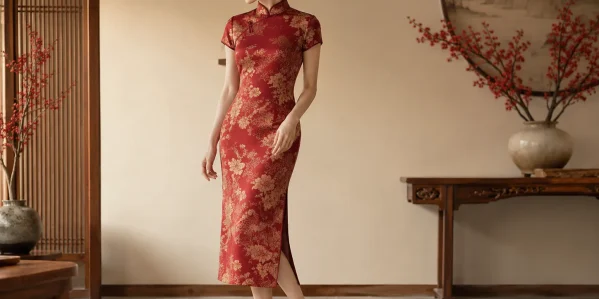
What Shoes to Wear With a Qipao | Cheongsam Shoes Matching Guide
Qipao, also known as Cheongsam, originated in the 1920s and 1930s and is one of the most iconic form...
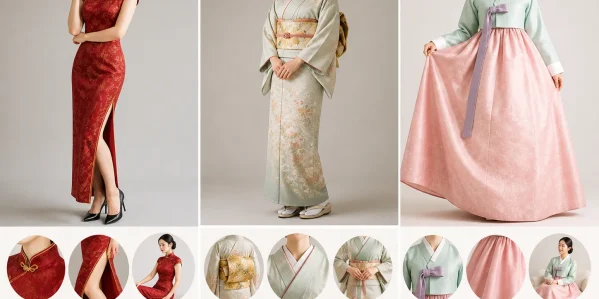
Qipao vs Kimono vs Hanbok | What is the Difference?
Qipao, kimono, and hanbok represent the traditional clothing cultures of China, Japan, and Korea, re...
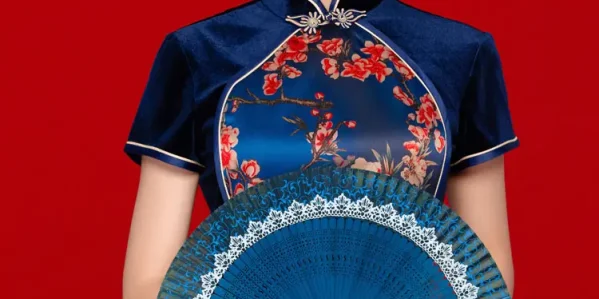
Kimono vs Qipao / Cheongsam | What is the Difference?
Kimono and qipao are both highly recognizable Eastern garments, but they come from different cultura...
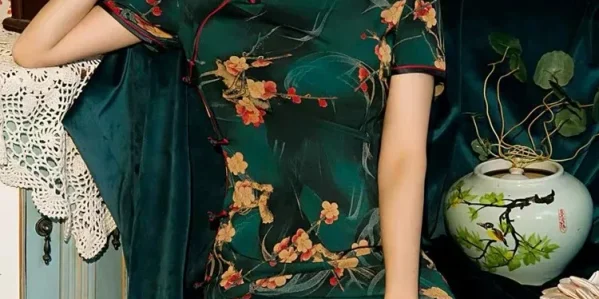
Modern Qipao vs Traditional Qipao | What is the Difference?
Modern qipao and traditional qipao both come from Eastern fashion aesthetics, but they are not the s...
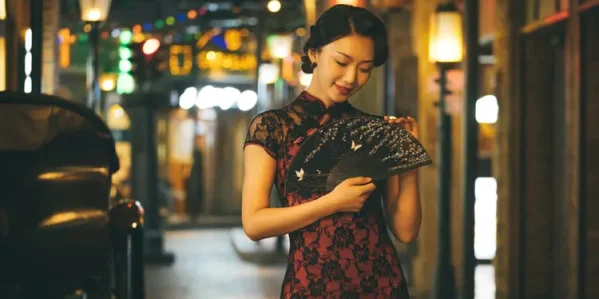
Hanfu vs Qipao / Cheongsam
Hanfu and Qipao/Cheongsam are the most representative classic Chinese garments, each boasting distin...
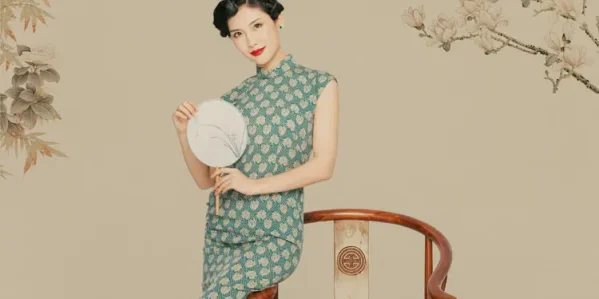
Qipao vs Cheongsam
If you are familiar with Chinese traditional clothing, you must be familiar with the two terms Cheon...
Bestselling Qipao


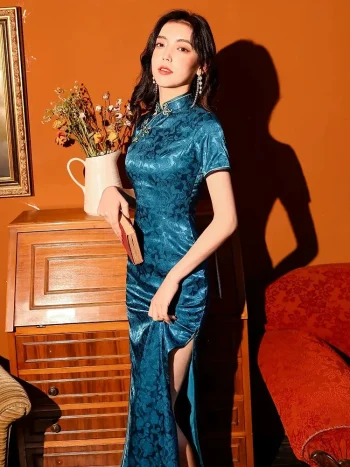
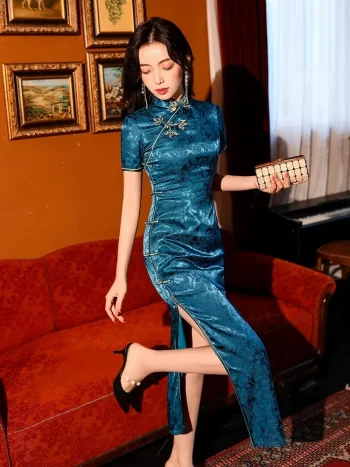
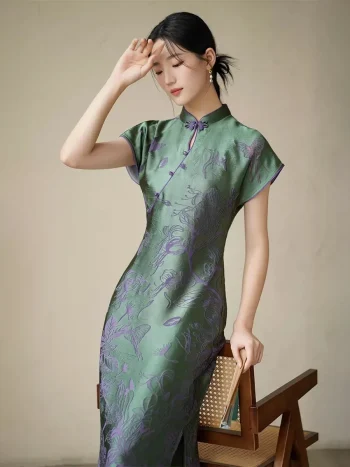
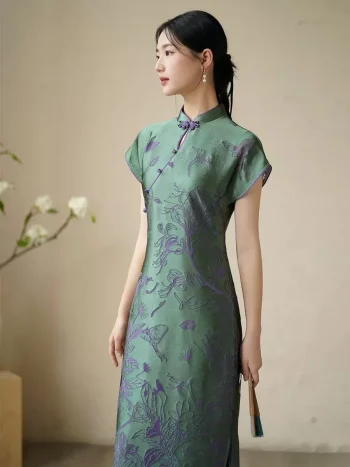
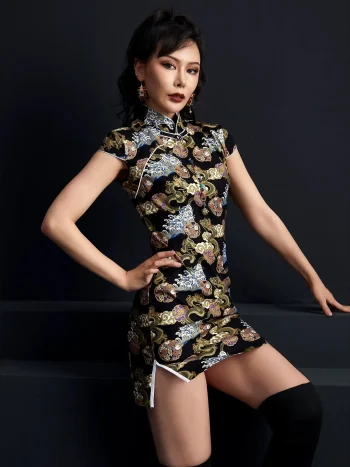
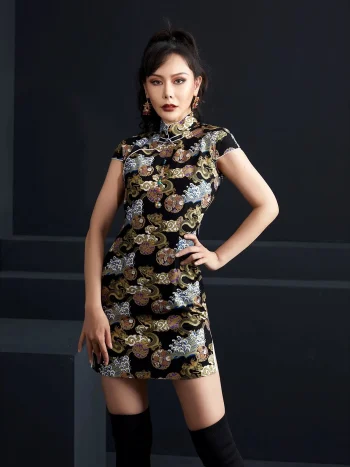
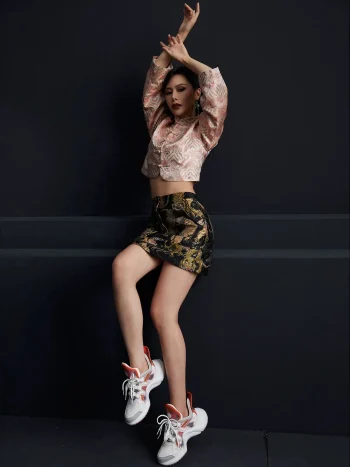
Black and Gold Dragon Embroidery Short Cheongsam Dress
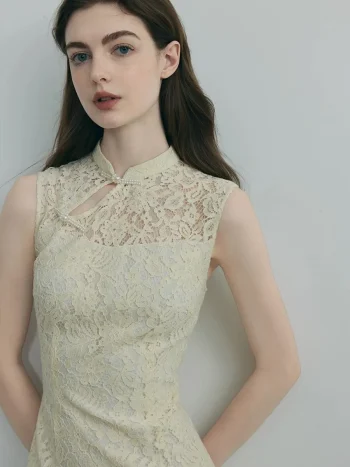
Price range: $112.00 through $119.00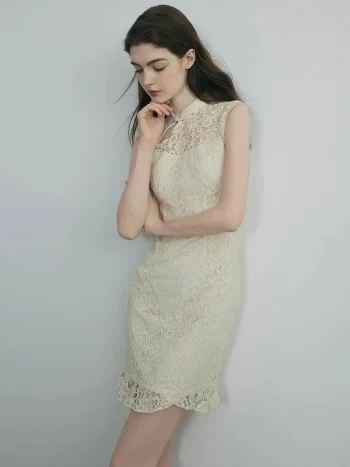
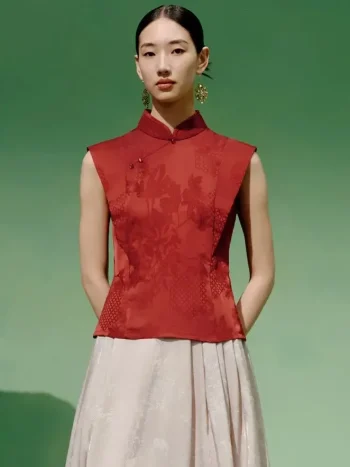
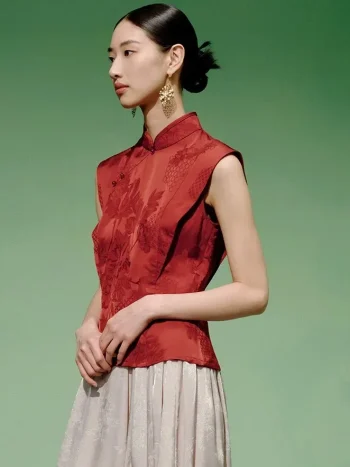
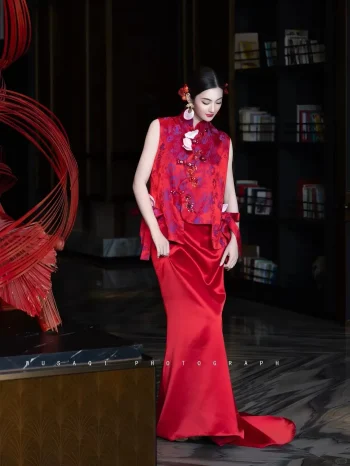
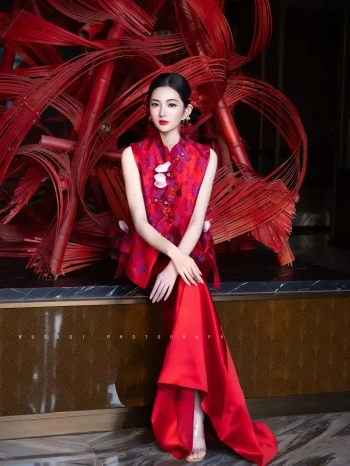
Modern Red Silk Qipao Set
Price range: $137.00 through $152.00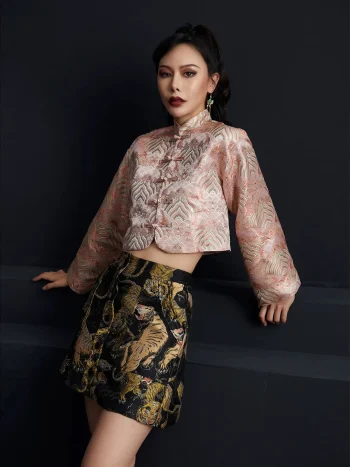
Recent Comments