Free Worldwide Shipping | Subscribe to Our Newsletter for 10% Off Your First Order

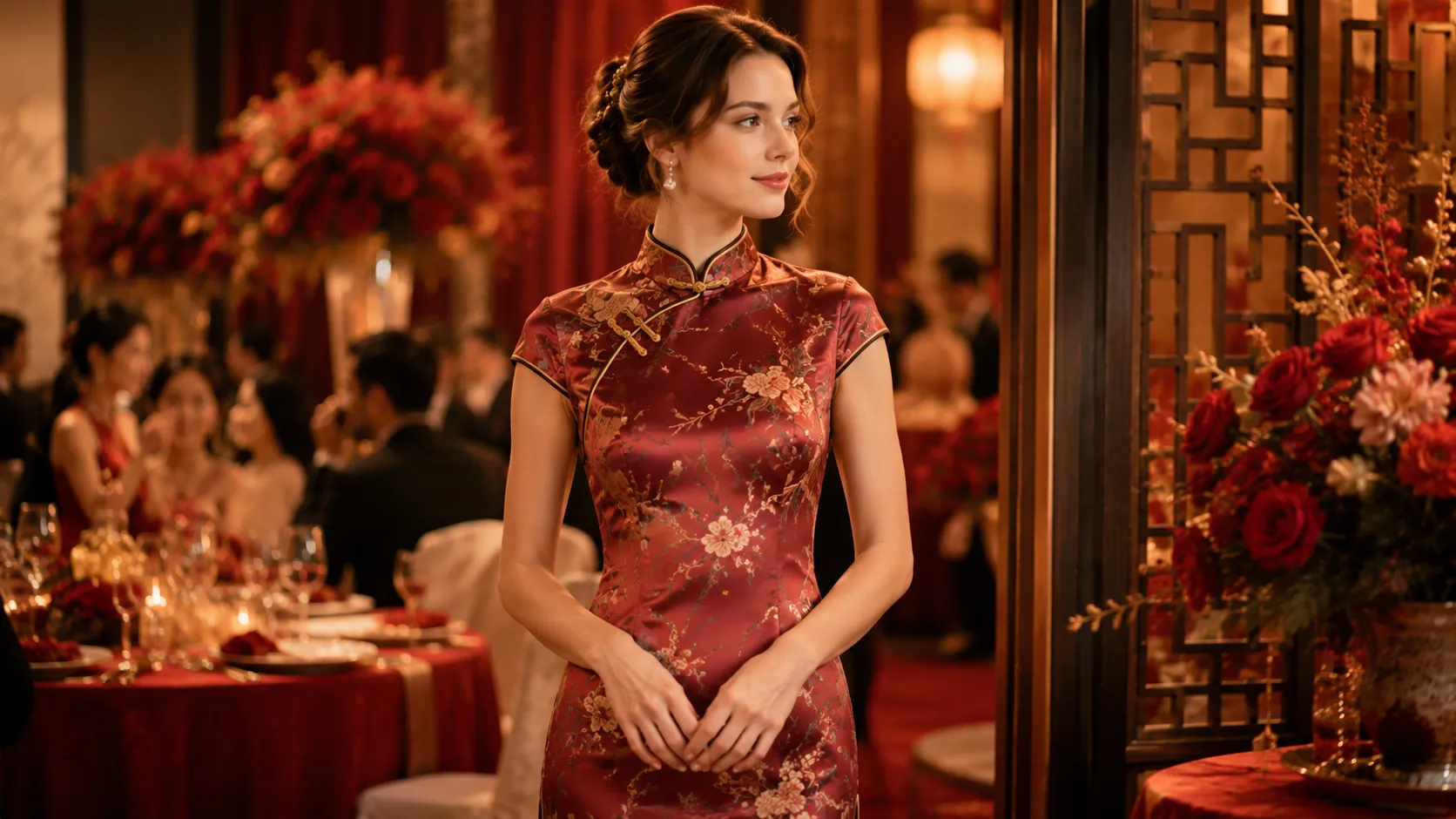

Qipao, also commonly written as qipao or cheongsam, is one of the most recognizable Chinese garments. Many people love its silhouette, elegance, and Eastern aesthetic, but they also worry about whether they can wear it and whether doing so might be culturally offensive. This article explains those questions clearly: who can wear a qipao, whether wearing one counts as cultural appropriation, whether white people can wear it without controversy, and which occasions are most appropriate.
Can foreigners wear a qipao?
Yes. A qipao is, by nature, a Chinese garment. Britannica describes the qipao as Chinese women’s clothing and also notes that cheongsam is its common English name. From the perspective of the garment itself, it does not belong only to one skin color or nationality. What matters is not whether a certain body “can” wear it, but whether the person wearing it understands the cultural background and treats it with respect rather than as a joke or costume.
If a qipao is worn as formalwear, festive clothing, a photography look, or attire for a cultural event, it usually feels natural. If it is used as a mocking, exoticized, or sexualized “foreign costume,” it can easily cause discomfort. In other words, who wears it is not the only question. How it is worn, where it is worn, and whether its cultural origin is clearly respected are the real issues. This judgment also matches many recent debates around cultural clothing.
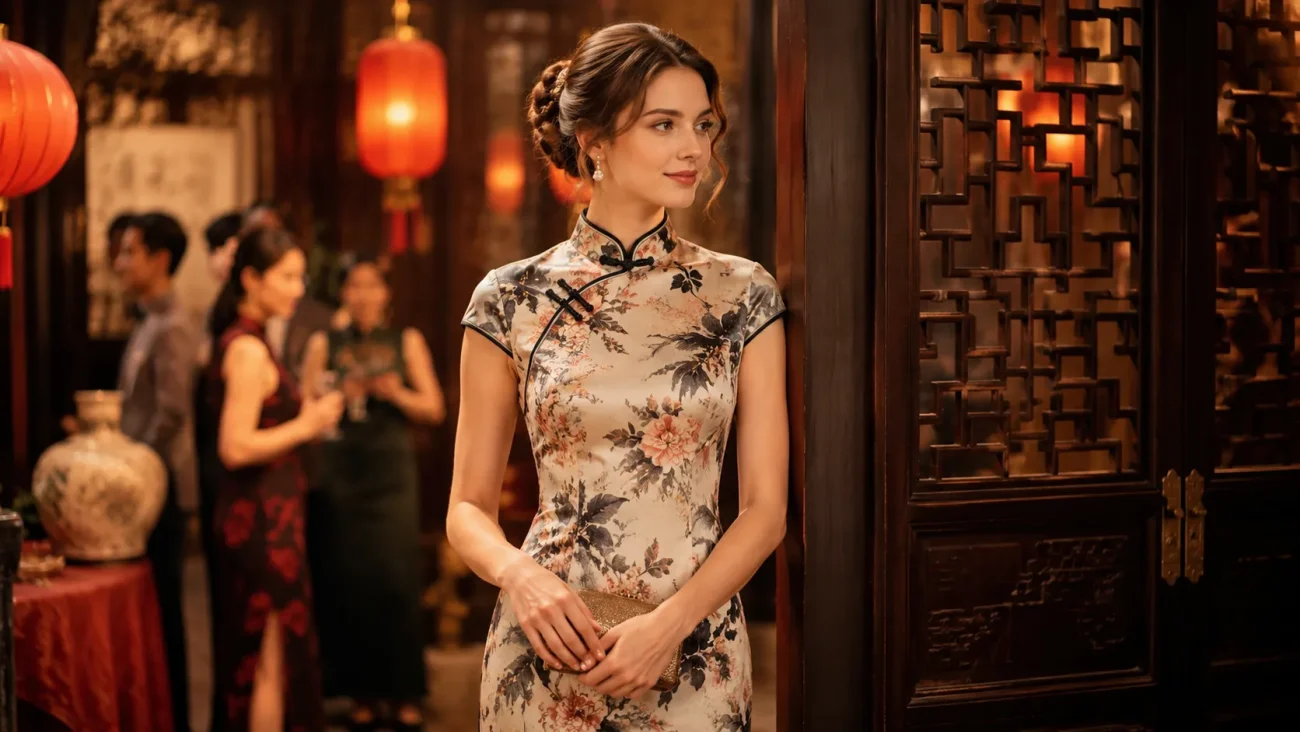
Does wearing a qipao count as cultural appropriation?
Not necessarily. Wearing a qipao does not automatically equal cultural appropriation. The key factors are intent, context, and presentation. Time reported on a controversy after an American student wore a Chinese qipao to prom. The discussion was not only about whether she wore the dress, but whether she understood the cultural meaning behind it. AP and The Guardian have also covered other cultural design controversies, showing that when respect, attribution, and collaboration are missing, accusations of appropriation become more likely.
If you wear a qipao after taking the time to understand it, choose appropriate occasions, avoid exaggerated or stereotyped styling, and are willing to acknowledge that it comes from Chinese culture, that is much closer to appreciation. If you treat it as an “Eastern novelty prop,” or use the wrong setting or styling to create a gimmick, it can quickly cross the line. A qipao is a garment with history and identity, and it should not be reduced to a joke.
Can white people wear a qipao?
Yes. People of any nationality or skin color can wear a qipao. The real question is whether they wear it appropriately and respectfully. Skin color does not determine whether someone may wear a certain garment. What matters is whether the qipao is being treated as a genuine Chinese garment rather than as a disposable costume. That judgment is closely connected to the boundary discussed above.
Whether someone is white, Black, Latino, or from any other background, wearing a qipao is usually fine if it is done with understanding and respect. What tends to create controversy is turning the qipao into a mocking, hypersexualized, or stereotyped costume, or completely ignoring where it comes from. The beauty of a cultural garment can be appreciated, but its cultural identity should not be erased.
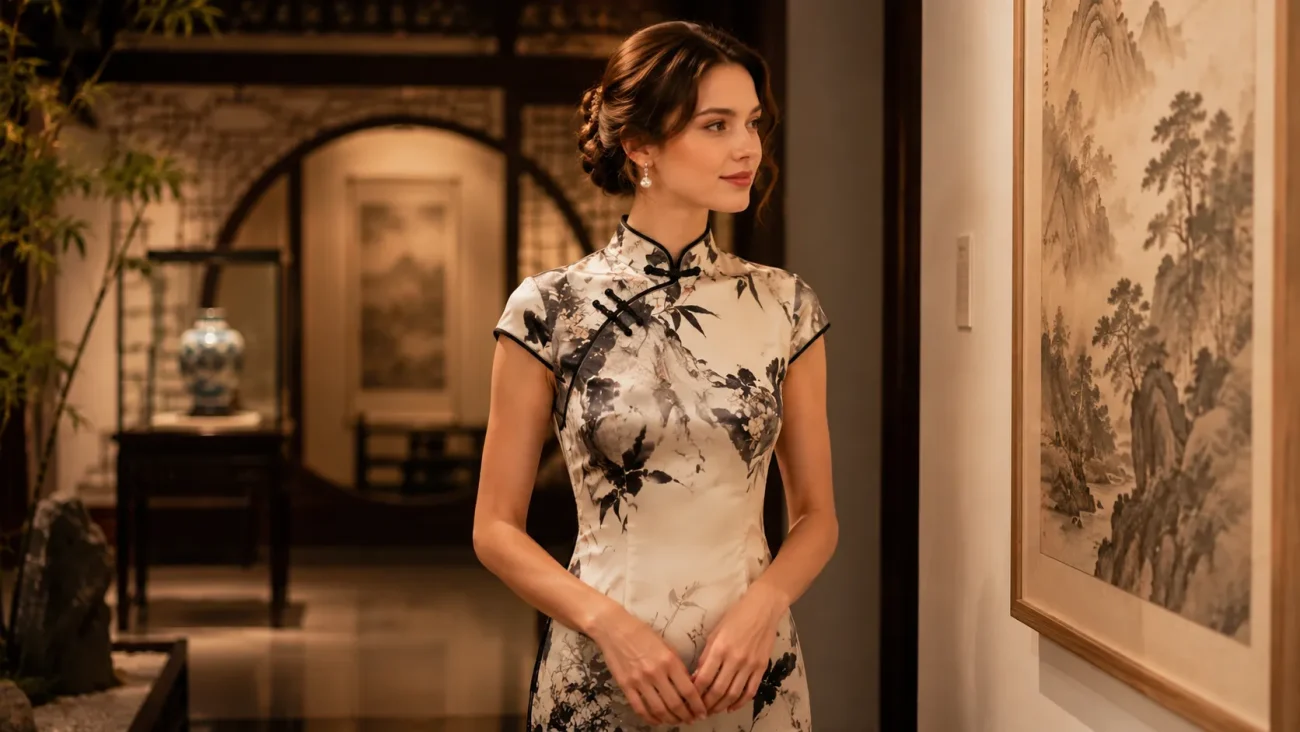
Can anyone wear a qipao?
Yes, anyone can wear a qipao. A qipao is not exclusive to any particular skin color or nationality. Whether you are Asian, white, Black, or Latino, you can wear a qipao as long as it is worn appropriately and with an understanding of its cultural background. The key is in your attitude and approach: treat the qipao as a respectful choice to honor traditional Chinese clothing, rather than as a novelty or joke.
Appropriate ways to wear a qipao include formal occasions, cultural events, photoshoots, or festive gatherings. In these contexts, the qipao can showcase the beauty of the garment while also expressing respect for Eastern culture.
When is it appropriate to wear a qipao?
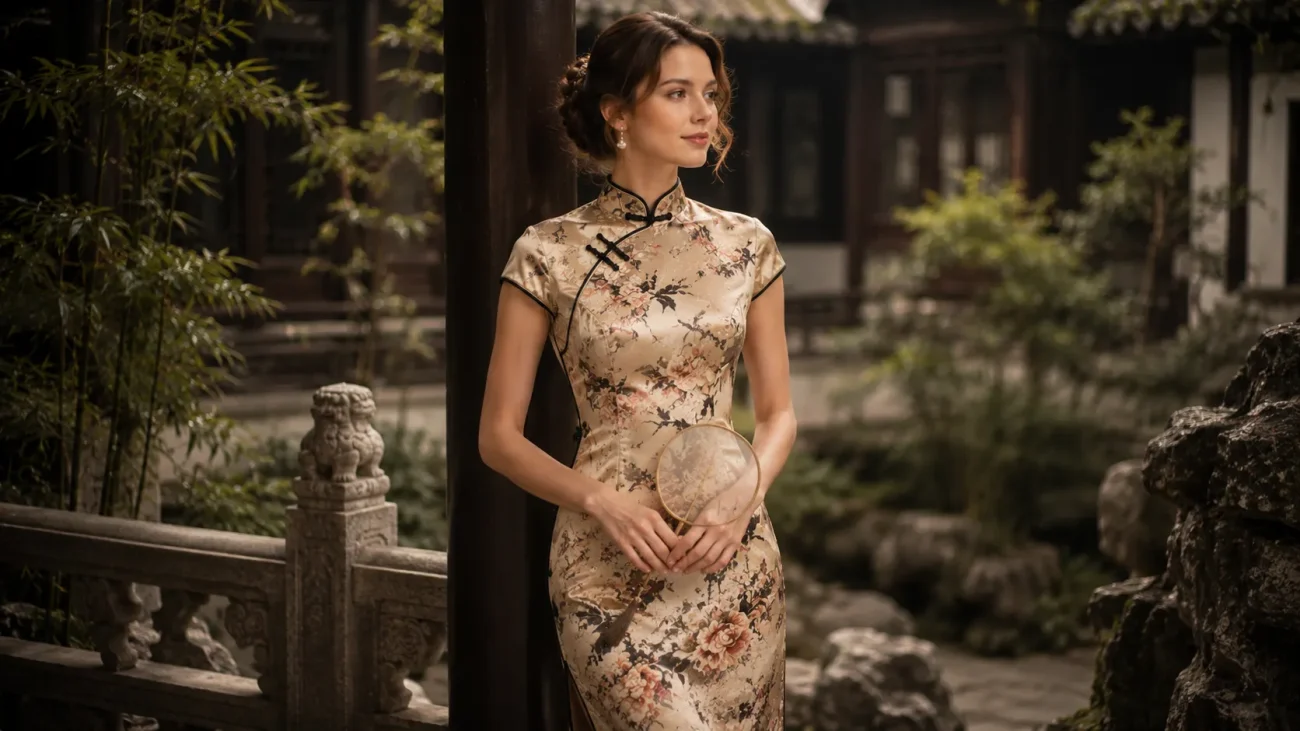
Weddings, holidays, and formal banquets: best for more refined formal styles
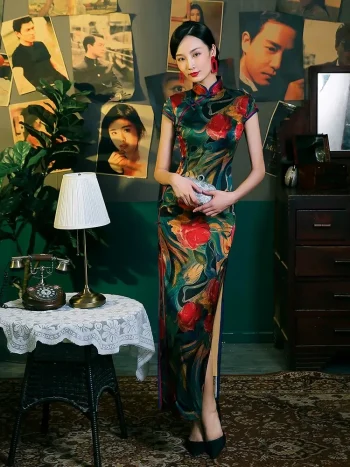
A qipao is especially suitable for occasions with a sense of ceremony, such as weddings, Lunar New Year, Mid Autumn Festival, banquets, graduation ceremonies, brand events, or cultural gatherings. For these settings, it is best to choose styles with a more structured cut and a more luminous fabric, such as silk qipaos, satin qipaos, lightly embroidered formal styles, or modernized designs with Chinese frog buttons and a stand collar.
If you are attending a wedding as a guest, more understated colors are usually a good choice, such as wine red, deep green, champagne gold, dark blue, or rose gold. If you are the bride, or if you need formal wedding photos, qipaos with Su embroidery, handmade frog buttons, beadwork, or a long flowing hem work especially well. These styles create more depth under lighting and in photos, and they better match the ceremonial feeling of a wedding.
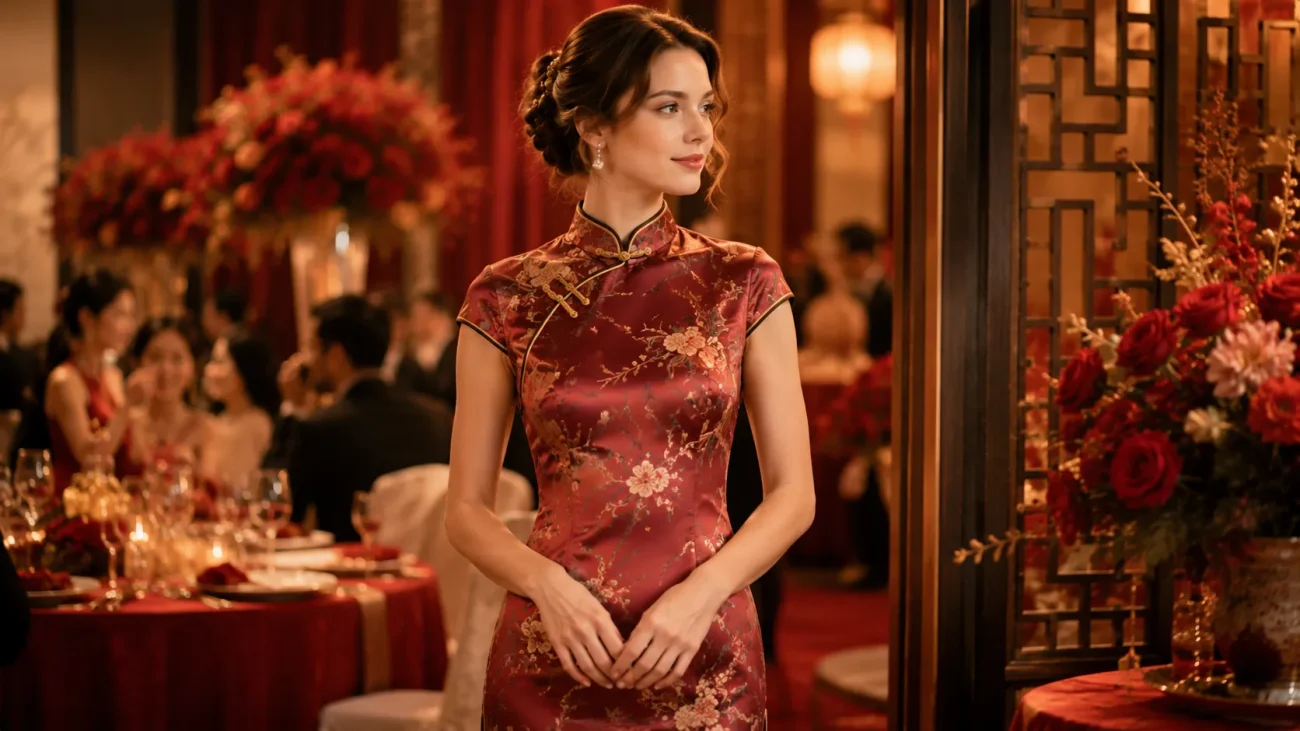
Cultural events, photo shoots, and themed styling: best for more visual impact
If you are wearing a qipao for photos, for an Asian culture month event, or for an Eastern aesthetic look, it is also a very good choice. In these situations, the goal is not to dress as formally as possible, but to make the overall look feel harmonious.
For photography, you might choose floral patterns, vintage prints, modern short styles, or designs with a more visible slit. For cultural exhibitions, Asian heritage events, or Eastern themed gatherings, it is better to choose styles that better reflect Chinese aesthetics, such as a stand collar, frog buttons, silk fabric, or traditional motifs. That will make the outfit feel more complete and make the cultural identity of the garment easier to understand at a glance.
If the setting is more relaxed, such as afternoon tea, travel photography, or a birthday photoshoot, you can also choose a more comfortable modernized qipao. It still creates atmosphere without feeling overly formal.
Everyday gatherings, small dates, and light social settings: best for modernized qipaos
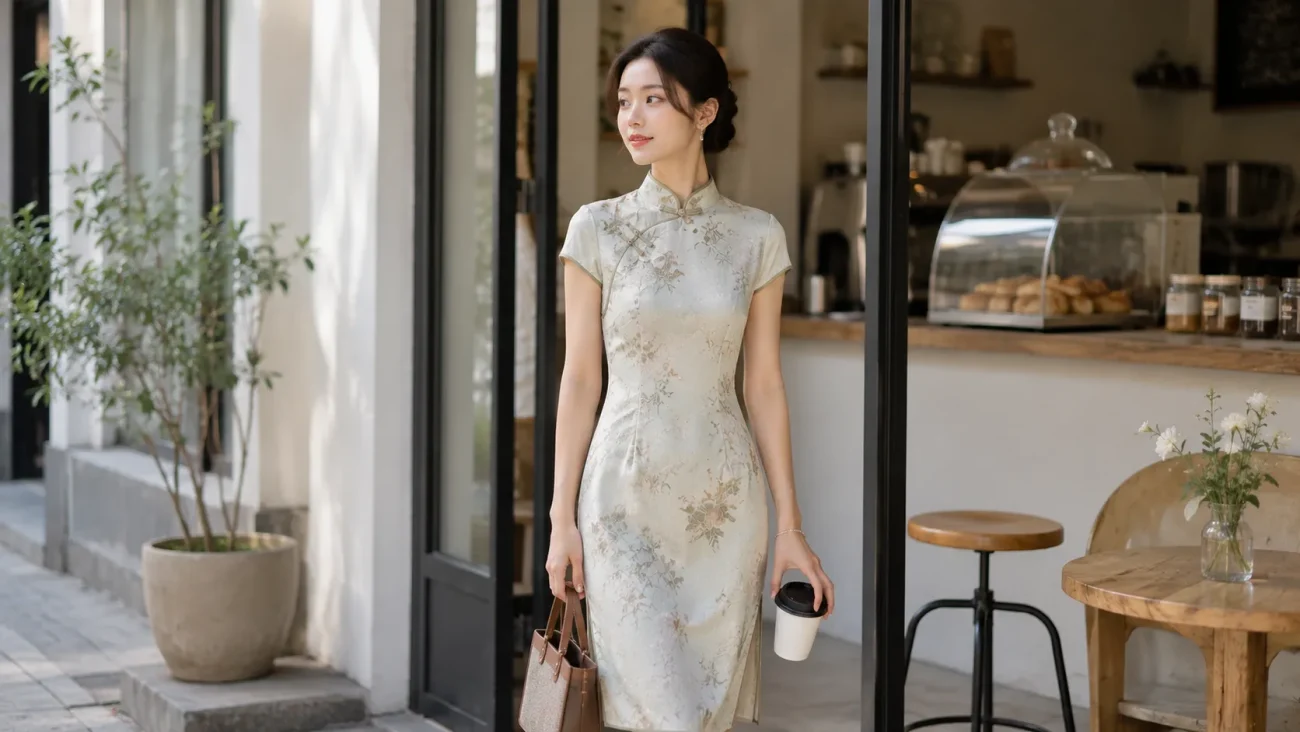
Not every qipao is reserved for major occasions. For friend gatherings, restaurant dates, weekend outings, and light social events, modernized qipao styles also work well.
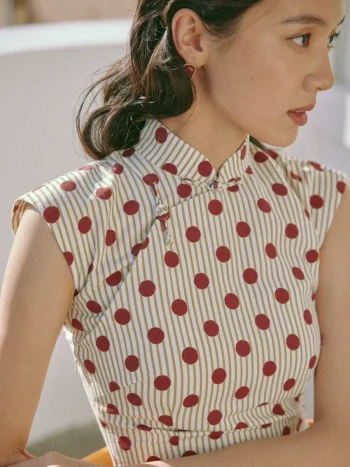
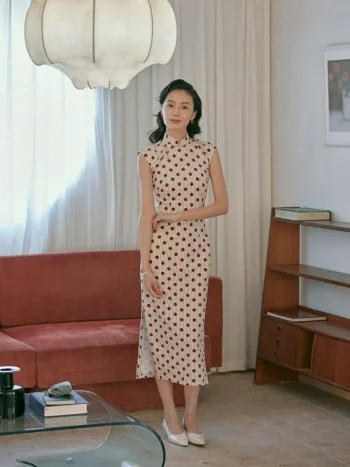
These situations are better suited to lighter fabrics, looser cuts, and more wearable lengths, such as cotton and linen qipaos, printed qipaos, short qipaos, or sleeveless and three quarter sleeve modernized styles. These versions are more practical than traditional formal qipaos and do not feel overdressed in daily life. They also blend more easily into everyday outfits.
If you want a more natural look, styles that feel closer to a regular dress are usually the safest choice.
Situations that are less suitable: examples of when a qipao may feel out of place
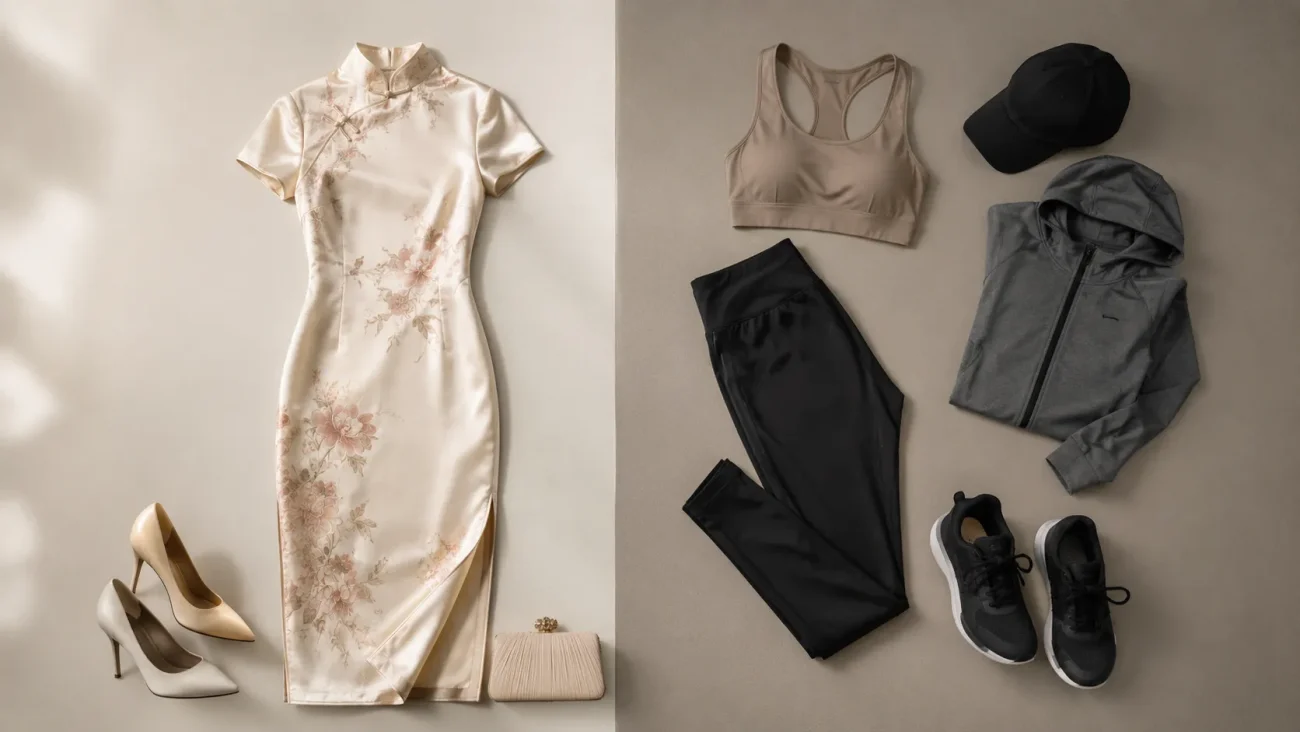
A qipao is not ideal for settings that do not match its formality. For example, it is not a good choice for the gym, hiking, beach activities, camping, heavy lifting, or other physically demanding situations if the garment has strong structure. It is also not recommended for commuting, long subway rides, or workdays that require frequent bending and movement if the style is very tight, very long slit, or heavily constructed.
It is also not a good idea to treat a qipao like a costume for random joking or parody. For example, using it in Halloween looks, gimmick parties, or satirical photo shoots in a way that is exaggerated, mocking, or vulgar can easily strip the garment of its cultural meaning and lead to misunderstanding. The controversy usually comes not from the qipao itself, but from how it is worn, the occasion, and whether its cultural background is respected.
Put simply, qipaos are best suited to settings with good taste, atmosphere, and cultural awareness. They are not suitable for situations that are mismatched, overly theatrical, or intentionally sensational.
Frequently Asked Questions
Q: What should I pay attention to the first time I wear a qipao?
A: Choose the occasion first, then choose the fit. For a first time wear, it is best to start with a modernized style that is not too tight and that uses a more stable fabric, so it feels easier to wear and less restrictive if you are not used to it. Pairing the qipao with the right hairstyle, shoes, and makeup also helps it look more polished.
Q: Does a qipao only suit Asian faces?
A: No. A qipao is not a garment that only suits one kind of face. What matters is whether the whole look feels balanced and whether you respect its cultural origin. In most cases, the fit, occasion, posture, and styling matter far more than facial features.
Q: Can qipao, kimono, and hanbok be grouped together?
A: It is not recommended. They belong to different cultural systems, with different structures, ways of wearing, and histories. Grouping them together blurs their cultural meaning and can feel disrespectful to people who take traditional dress seriously.
Q: If I only wear a qipao for photos, is that disrespectful?
A: Not necessarily. There is nothing wrong with taking photos in a qipao. The question is how you do it, who the photos are for, and whether you present the garment as a meaningful cultural piece rather than as a spectacle. As long as the context feels natural and the presentation is respectful, photographing a qipao is usually understandable.
Q: Can a qipao be worn as everyday clothing?
A: Modernized qipao styles can be worn daily, while traditional fitted qipaos are better for formal or semi formal settings. The qipao naturally carries a sense of occasion, so if you want to wear it casually, it is better to choose styles that are more comfortable and easier to move in.
Q: How can I reduce the chance of cultural controversy when wearing a qipao?
A: Present it as a Chinese garment, take the time to learn its name, origin, and cultural background, choose the right occasion, and avoid exaggerated or stereotyped styling. In simple terms, the more thoughtful you are, the less likely you are to cause problems.
References & Sources
- Encyclopaedia Britannica — Kimono
- Victoria and Albert Museum — Kimono
- Victoria and Albert Museum — Conservation
- Hey Cheongsam — What is Cheongsam? About qipao dress
- Hey Cheongsam — Qipao vs Cheongsam | What is the Difference?
- Hey Cheongsam — Modern Qipao vs Traditional Qipao | What is the Difference?
- Hey Cheongsam — Qipao History | Chinese Cheongsam Dress History
- AP News — Mexican-American designer apologizes for Adidas sandal design accused of cultural appropriation
- The Guardian — Louis Vuitton accused of cultural appropriation of Romanian blouse

Related posts
Qipao Pronunciation | How to Pronounce Cheongsam and Qipao
When discussing traditional Chinese clothing in English, Qipao and Cheongsam are the two most freque...
What Do the Colors of a Qipao Represent?
The qipao, also known as the cheongsam, is one of the most recognizable traditional garments in the ...
Can Non Chinese Wear Qipao? Can Foreigners Wear Qipao
Qipao, also written as qipao or cheongsam, is one of the most recognizable traditional garments in C...
Can Anyone Wear Qipao? Can White People Wear Cheongsam?
Qipao, also commonly written as qipao or cheongsam, is one of the most recognizable Chinese garments...
How to Clean and Maintain Qipao / Cheongsam
Buying a qipao you love is only the first step. The real challenge is keeping its drape and sheen in...
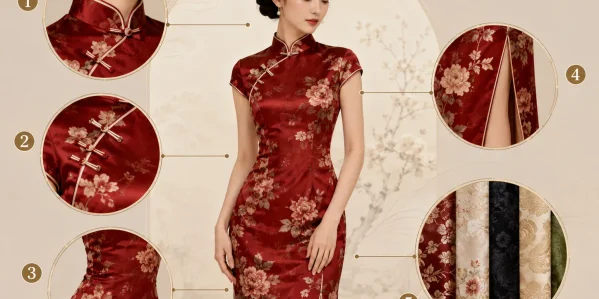
Qipao History | Chinese Cheongsam Dress History
The qipao, also known as the cheongsam, is one of the traditional garments that best represents the ...
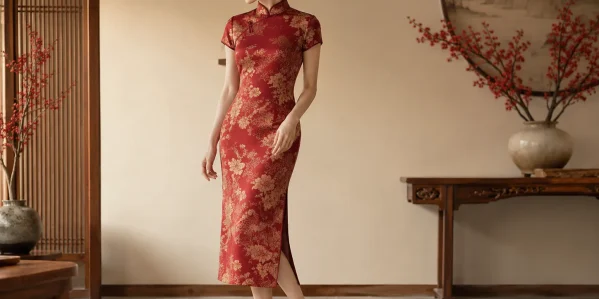
What Shoes to Wear With a Qipao | Cheongsam Shoes Matching Guide
Qipao, also known as Cheongsam, originated in the 1920s and 1930s and is one of the most iconic form...
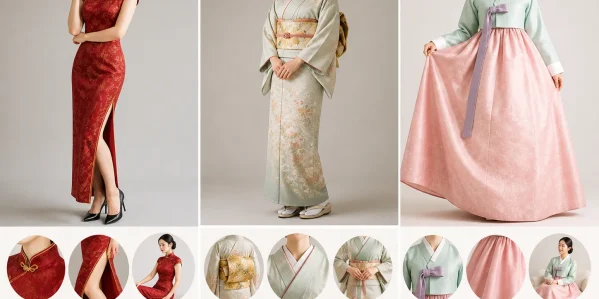
Qipao vs Kimono vs Hanbok | What is the Difference?
Qipao, kimono, and hanbok represent the traditional clothing cultures of China, Japan, and Korea, re...
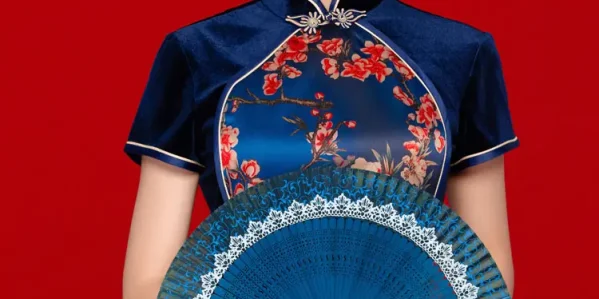
Kimono vs Qipao / Cheongsam | What is the Difference?
Kimono and qipao are both highly recognizable Eastern garments, but they come from different cultura...
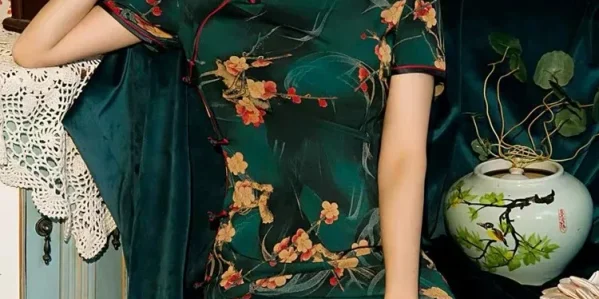
Modern Qipao vs Traditional Qipao | What is the Difference?
Modern qipao and traditional qipao both come from Eastern fashion aesthetics, but they are not the s...
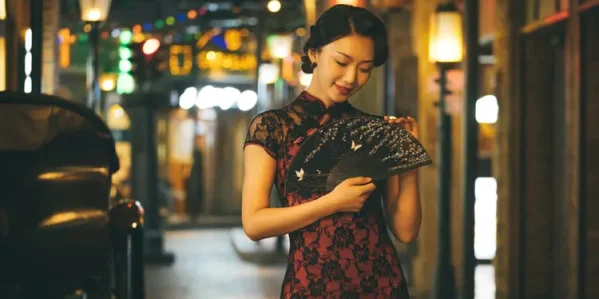
Hanfu vs Qipao / Cheongsam
Hanfu and Qipao/Cheongsam are the most representative classic Chinese garments, each boasting distin...
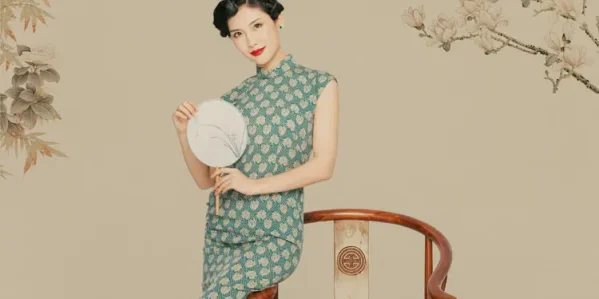
Qipao vs Cheongsam
If you are familiar with Chinese traditional clothing, you must be familiar with the two terms Cheon...
Bestselling Qipao


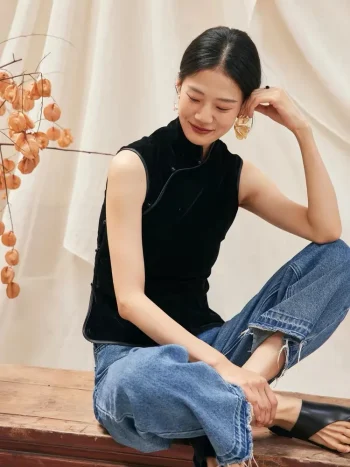
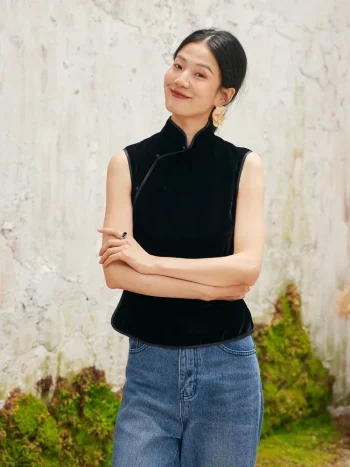
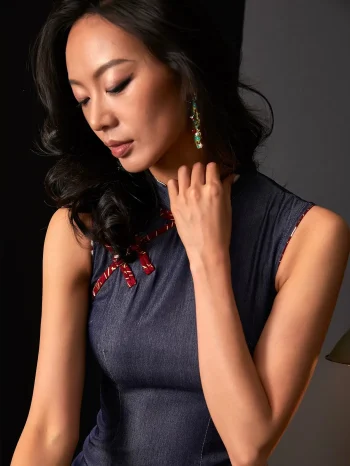
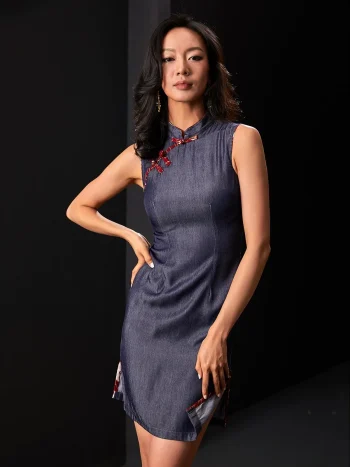
Women’s Short Sleeveless Qipao Dress
Price range: $109.00 through $119.00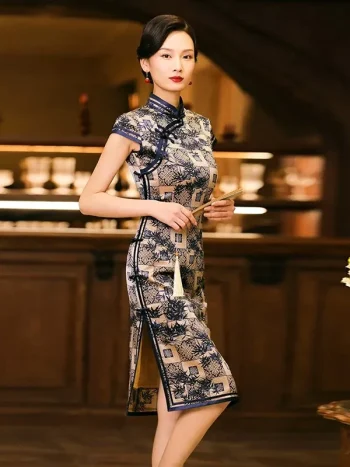
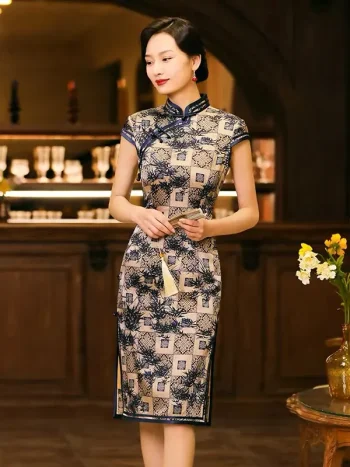
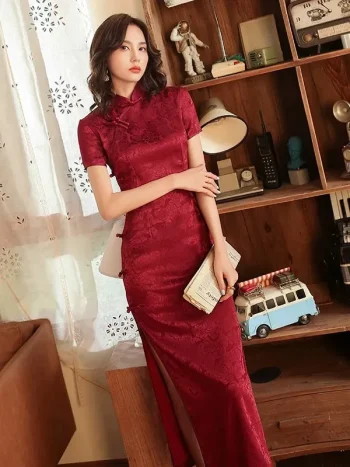
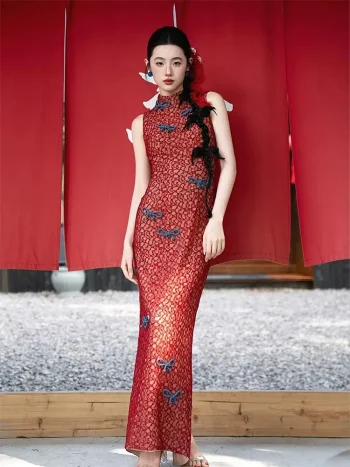
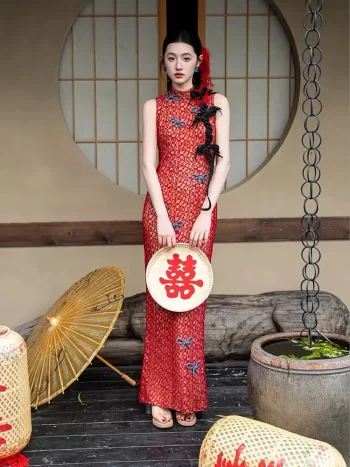
Red Lace Chinese Slim Fit Cheongsam Dress
Price range: $118.00 through $133.00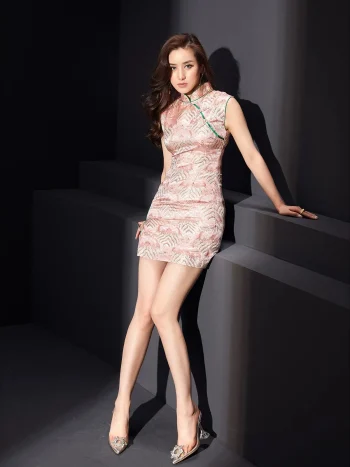
Recent Comments