Free Worldwide Shipping | Subscribe to Our Newsletter for 10% Off Your First Order

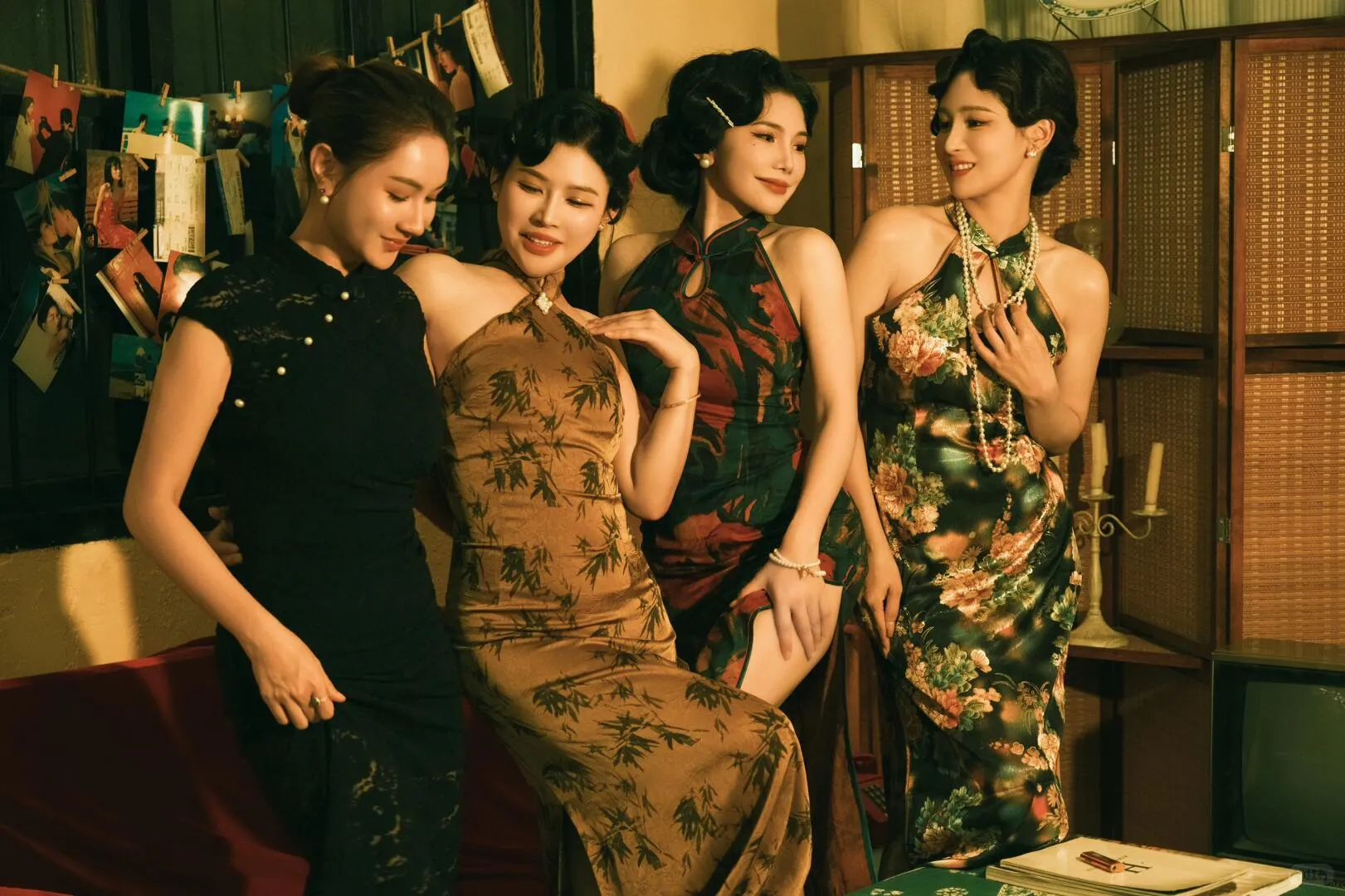

The history of the cheongsam dates back nearly a century to China in the 1920s the early days of the Republic of China. Amid the renewal of social ideologies and the awakening of female awareness the cheongsam grew rapidly in popularity. It broke away from the old tradition of dressing classified by social status rank and ethnic group and became the first garment in modern China defined by individual feminine identity. If you are a beginner learning about the cheongsam struggling to match different styles with suitable occasions or looking to distinguish between traditional designs and modern reinterpretations this guide recommends establishing fundamental understanding before diving into all core knowledge.
What Is Qipao
Qipao also commonly referred to as Cheongsam is one of the most iconic women’s garments of China and a globally recognized symbol of Eastern aesthetics.
It is the only women’s costume in modern Chinese history that integrates cultural heritage the narrative of women’s liberation and ethnic identity as well as global fashion influence. It is far more than a simple piece of clothing embedded with Eastern elements it represents a profound revolution carried through fashion. Born amid the movement for women to pursue equality and social rights it has embodied the spirit of breaking restrictions and expressing independence from its very origin. This core essence sets it apart from traditional ethnic costumes and lays the foundation for its timeless popularity across the world.
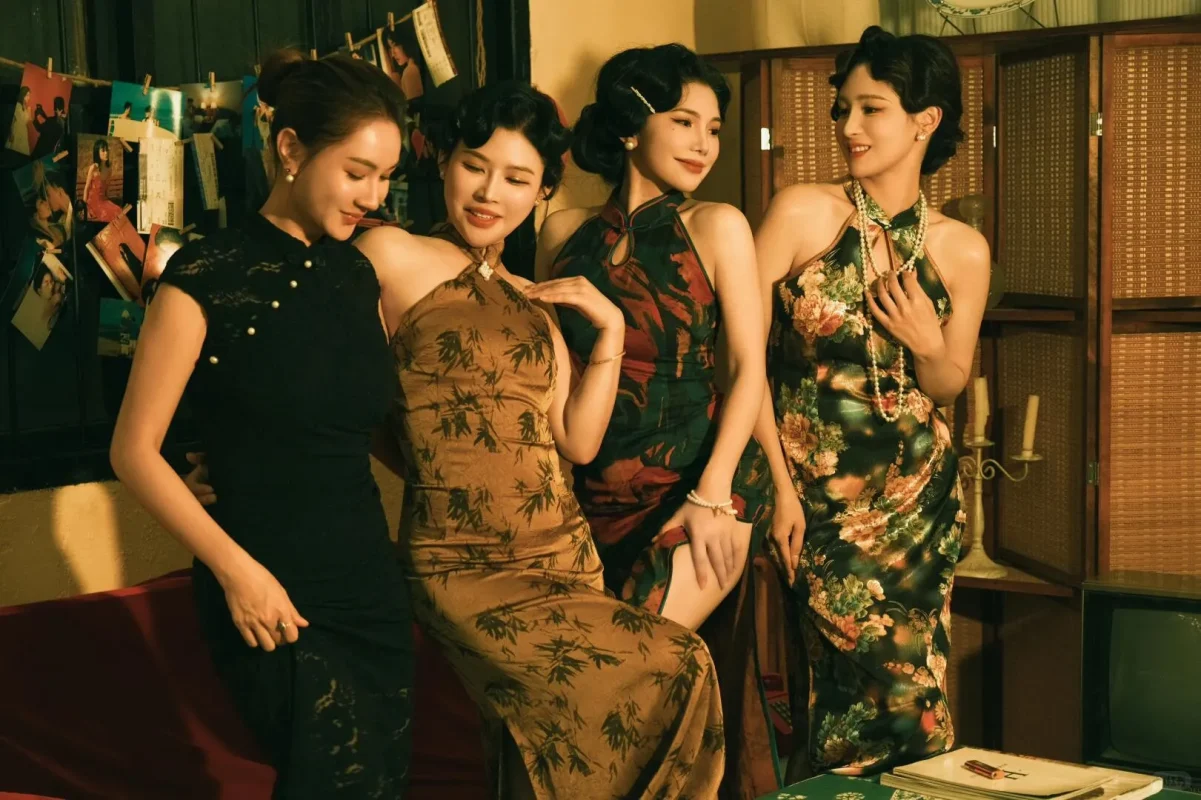
Differences Between The Two Names Of Qipao
Qipao derives from standard Mandarin romanization and has become the most widely accepted official term internationally. Cheongsam comes from the Cantonese pronunciation of the traditional long gown. It was widely used in Hong Kong Southeast Asia and overseas Chinese communities in early days and is now well recognized across all English speaking regions.
Origin and History of Qipao
The evolution of the qipao is not merely a history of transformation in Chinese apparel. It also bears witness to the changes in social values and aesthetic perceptions of Chinese women. Its development can be divided into three key stages.
Qing Dynasty The Embryonic Form of Qipao (1636-1912)
The name qipao derives from the traditional robe worn by Manchu women of the banner clans during the Qing Dynasty literally the robe of banner people. The garment of this era was fundamentally different from the modern qipao seen along the Silk Road. It featured a loose straight cut with no waist definition and no functional side slits fully concealing the body curves. Its primary purpose was to distinguish ethnic groups and social ranks. It nevertheless laid down the basic structural prototype for the later design of the qipao.
Republic of China Era The Maturity and Golden Age of Modern Qipao (1920-1949)
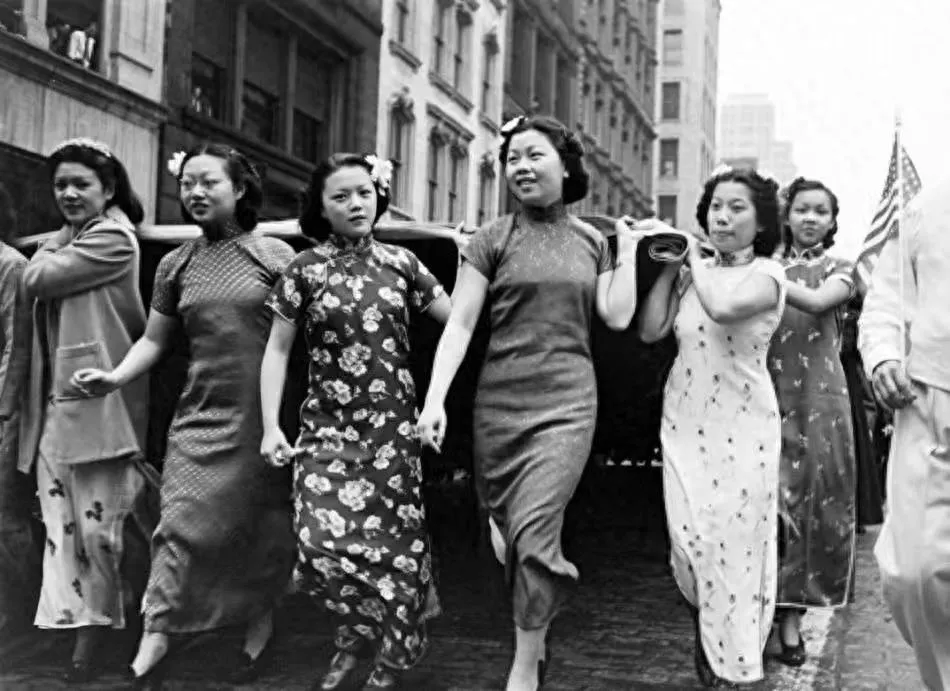
With the rise of new social ideological trends Chinese women began to abandon the cumbersome styles of traditional costumes. They integrated classic elements of Manchu robes with Western tailoring concepts creating a new liberated style of qipao that cinched the waist and accentuated feminine body lines. Breaking away from the constraints imposed by ancient clothing on women the qipao became a symbol of female independence and confidence and established the timeless design template still followed today.
Modern Period Revival and Globalization of Qipao (1950-Present)
After the founding of the People’s Republic of China the qipao gradually faded out of daily wear and was only reserved for ceremonial occasions and formal banquets. In the 1990s as Chinese language film and television culture spread worldwide the qipao gained wide recognition among global audiences. After 2010 Chinese designers stepped onto international fashion weeks and introduced modern innovations to the qipao. Breaking the limitations of traditional silhouettes they launched revised versions suitable for daily wear and all occasion styling. This evolution transformed the qipao from an exclusive formal gown into a mainstream fashion piece worn by women across the globe.
Types of Qipao An Introduction to Each Qipao Style
After a century of evolution the qipao has moved beyond a single classic silhouette and developed into a complete style system that caters to different aesthetics body types occasions and cultural needs. Every style comes with clear design standards suitable wearers and applicable scenarios rather than being randomly designed.
We categorize qipao by silhouette and occasion allowing you to pick the right style directly based on your personal needs.
Classification by Cut and Silhouette
Silhouette is the core factor that determines the wearing experience and overall style of a qipao and it is also the most important reference when making a purchase. There are three mainstream silhouettes.
1.Traditional Flat Cut Qipao with Attached Sleeves
This style stays closest to the classic design of the Republic of China era. It adopts flat tailoring and attached sleeve design with no defined waistline. The overall cut maintains a natural structured fit without tightly clinging to the body. It features high tolerance for different body shapes and carries a retro and elegant temperament making it ideal for cultural rituals and formal ceremonial events.
2.Modern Fitted Waist Qipao
As the most popular style today it integrates three dimensional tailoring techniques from Western fashion. Darts are added at the waist to closely follow feminine body curves and highlight natural figure advantages to the fullest. It delivers a modern and feminine vibe and serves as the top choice for banquets weddings cocktail parties and other formal events.
3.Loose Flared Modern Qipao
This redesigned style is created specifically for daily wear and comfort. The lower half of the garment flares out in a straight line without tightening the hips or restricting movement. It is highly friendly to pear shaped and apple shaped body types. With a light and casual style it is perfect for beginners and daily regular wear.
Classification by Wearing Occasion
Besides silhouette occasion suitability is another key reference for choosing a qipao. Different occasions call for distinctly different qipao styles.
1.Daily Casual Qipao
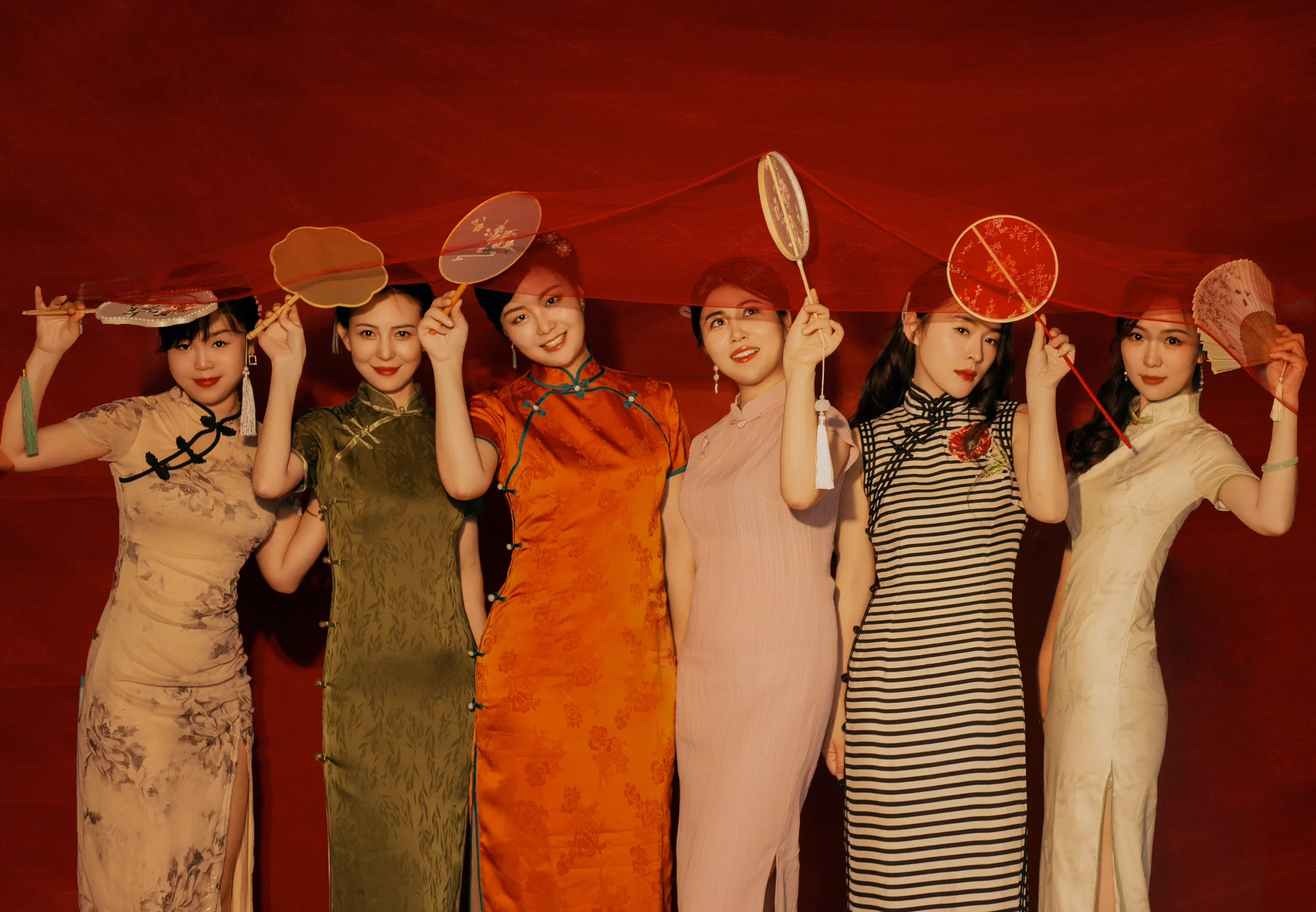
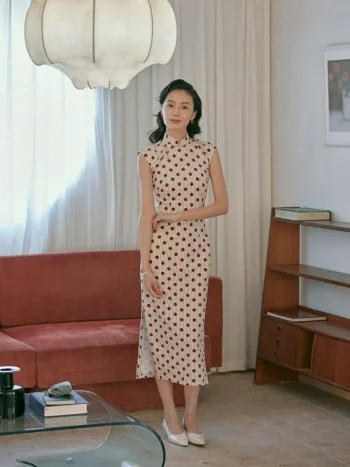
Mostly presented in modern redesigned versions these qipao usually fall to a length below the knee. They commonly use simple low maintenance fabrics such as cotton linen chiffon and knit materials. The design stays minimal without excessive complicated decorations. They blend seamlessly into daily commuting shopping gatherings and other casual scenarios easy to pull off without looking out of place.
2.Formal Evening Gown Qipao
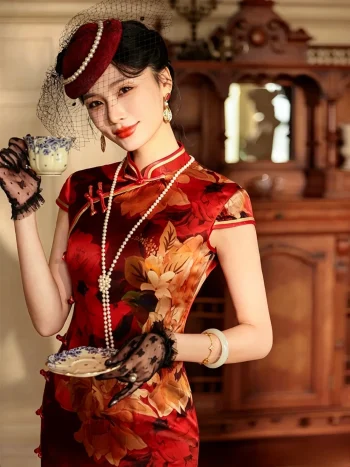
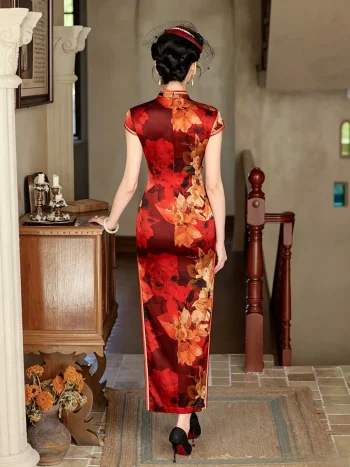
These are full length floor touching styles crafted for formal events. They adopt premium fabrics like mulberry silk brocade and high end woven materials paired with exquisite craftsmanship such as hand embroidery and beading. The tailored elegant cut is perfect for formal banquets proms red carpet appearances business receptions and other high end occasions standing out as a distinctive alternative to Western style evening gowns.
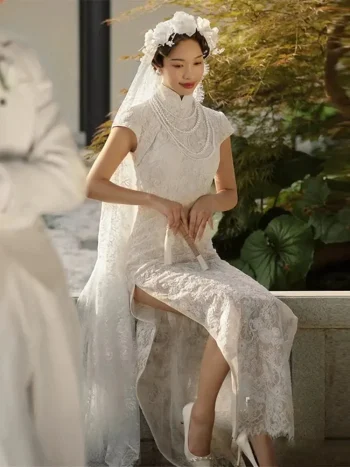
Custom tailored specifically for wedding occasions this category includes bridal styles bridesmaid styles and mother of the bride styles. Bridal designs feature festive hues such as deep red burgundy and champagne decorated with traditional auspicious patterns of dragon phoenix and peony with refined elaborate craftsmanship. Bridesmaid and elder wedding styles adopt simpler understated designs balancing delicate aesthetics with proper etiquette.
Main Features Of Qipao
Qipao has endured for thousands of years and gained worldwide popularity largely thanks to its outstanding combination of profound cultural heritage exquisite design aesthetics and practicality. These unique traits together create its irreplaceable charm.
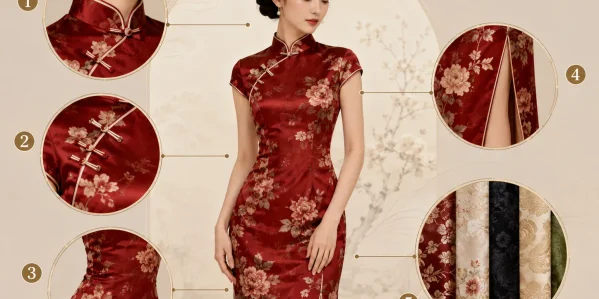
1.Standing Collar Qipao Collar
The signature high standing collar is the core design element of Qipao. It perfectly modifies the lines of the shoulder and neck and softly contours the face and neck proportion. Master artisans in Hong Kong pay extreme attention to the craftsmanship of standing collars. A well fitted collar hugs the neck closely without feeling constricting. It leaves a gap of about one finger for free movement balancing elegant appearance and comfortable wear. It presents a neat and sleek silhouette from every angle.
2.Full Dimensional Bespoke Tailoring
The tailoring technique of Hong Kong style Qipao is regarded as the golden standard of Eastern apparel craftsmanship. Senior craftsmen collect 36 sets of body measurement data more rigorous than the standard measurement process of high end Western custom clothing. The finished garment size is controlled within a 2 millimeter tolerance. A custom Qipao takes two to four weeks to complete with three to four fitting sessions to achieve a flawless fit with the wearers figure.
3.Side Slit Functional Slit
The side slit is an iconic design that distinguishes Qipao from other traditional robes. Its original purpose is to provide ample freedom of movement rather than serving merely as decoration. Hong Kong style Qipao features moderately sized slits that remain tasteful and restrained. They ensure ease of walking sitting and daily activity while adding elegant fluid lines to the overall look perfectly fitting the understated aesthetic of Cantonese style apparel.
4.Handmade Frog Buttons Flower Buttons
Handmade frog buttons are the finishing soul of Qipao. Hong Kong craftsmen have elevated this traditional craft into an independent form of handmade art. Following time honored skills passed down from master to apprentice artisans can create more than a hundred styles of frog buttons. Ranging from simple plain straight designs to intricate patterns of flowers birds dragons phoenixes and cloud motifs these buttons not only fasten the garment but also serve as decorative works of art carrying authentic Eastern charm.
5.Premium Fabric Selection
Authentic Qipao follows strict industry standards in Hong Kong for material selection. It primarily uses mulberry silk heavyweight premium silk and brocade satin originating from Hangzhou and Suzhou. It also incorporates high end materials such as French lace and Italian velvet. Professional designers match fabrics precisely according to wearing occasions and garment styles blending the smooth texture of Eastern silk with the draping structure of Western luxury materials.
6.Integrated Design Concept of Eastern and Western Aesthetics
The enduring appeal of Hong Kong style Qipao stems from its perfect integration of traditional Chinese aesthetics and the essence of Western high fashion. It fully preserves classic Chinese design elements including standing collars frog buttons and slanted plackets. Meanwhile it adopts sophisticated tailoring silhouette shaping and lining craftsmanship from European haute couture. It breaks the scenario limitations of traditional ethnic clothing and evolves into timeless fashion suitable for diverse modern lifestyles.
Differences Between Modern Qipao and Traditional Qipao
Many beginners who are new to modern qipao struggle to choose between traditional qipao and modified qipao when shopping. Though the two share the same origin their core differences lie in tailoring craftsmanship wearing experience and practical versatility. Understanding these distinctions helps you quickly pick the style that matches your needs.
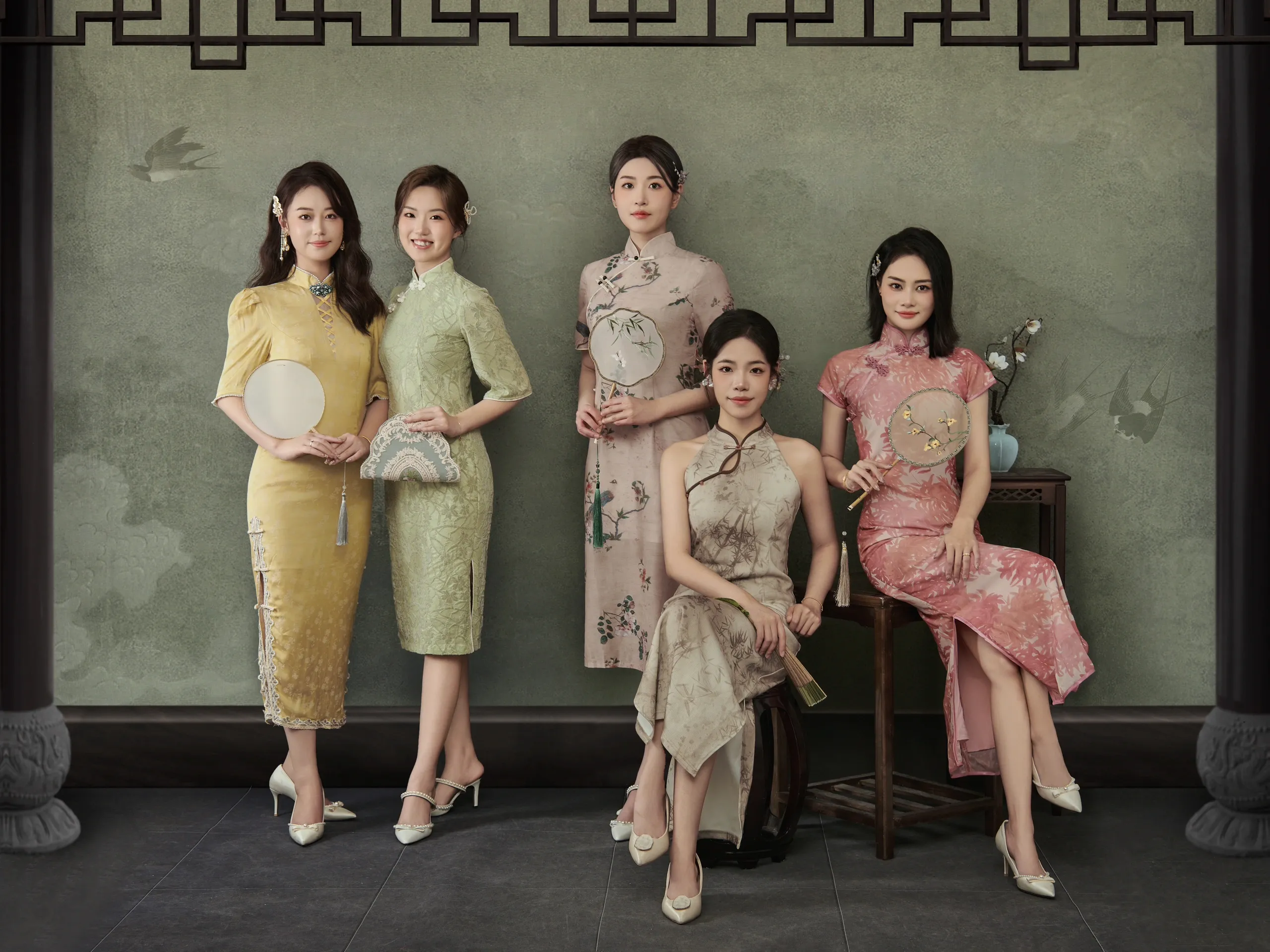
1.Core Differences in Tailoring Craftsmanship
This is the most fundamental distinction between the two styles.
Traditional Qipao
It adopts flat cut and integrated sleeve craftsmanship with strict two dimensional pattern cutting. The whole garment is cut in one piece with no separate sleeve panels and no darts designed for waist shaping. It relies on the natural draping of the fabric to form soft lines. This style demands extremely high skill from tailors. Most pieces are custom tailored individually with long production cycles and high craftsmanship value.
Modern Qipao
It features independently cut sleeve panels along with waist and bust darts that perfectly fit the natural curves of the human body. Its craftsmanship adapts well to industrial mass production with standardized size systems and better alignment with modern wearing habits.
2.Differences in Silhouette and Wearing Experience
Traditional Qipao
It generally comes with a loose relaxed silhouette that does not cling tightly to the body. It brings a natural unrestricted wearing feeling and carries a classic retro elegant charm. However it limits daily physical movement making it more suitable for formal occasions only.
Modern Qipao
It offers far more flexible silhouettes ranging from slim fitted gown styles to casual A line designs and short length versions. It delivers greater comfort and freedom of movement friendly to beginners and all body types and is perfectly suitable for everyday wear.
3.Differences in Design and Occasion Adaptation
Traditional Qipao
Its design strictly follows classic traditional norms mostly in floor grazing lengths with moderately high side slits. The overall style is simple and grand relying on premium fabrics handmade frog buttons and delicate detailing. It is mainly tailored for traditional ceremonies formal banquets cultural events and other formal occasions.
Modern Qipao
Modern Qipao breaks the boundaries of traditional design norms. It covers all lengths from short styles to full length gowns. It incorporates modern design elements such as all over printing fabric splicing and layered styling. It also extends to derivative designs including separate qipao tops and matching bottoms. It fits nearly all life scenarios including daily commuting casual outings and party gatherings.
Qipao FAQs
Q:Differences between Hanfu and Qipao
A:Hanfu is the traditional costume of the Han ethnic group with a history spanning thousands of years. Its core features include cross collar right lapel wide robes and broad sleeves with generally no waist tightening. It has a loose silhouette and includes hundreds of styles from different dynasties serving as a classic traditional ethnic costume.
Qipao is a modern fashion garment shaped in the Republic of China era with a history of nearly one hundred years. It is defined by stand collar slanted placket figure hugging tailoring and traditional frog buttons. It represents modern fashion that blends Eastern tradition with Western styling concepts. Hanfu and Qipao belong to completely different costume systems with distinct historical origins and design characteristics.
Q:Suitable Shoes to Match with Qipao
A:The choice of shoes to pair with a qipao mainly depends on the occasion.
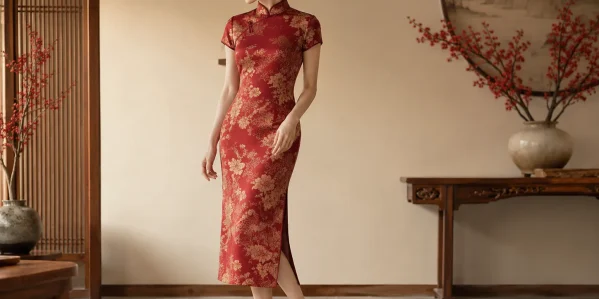
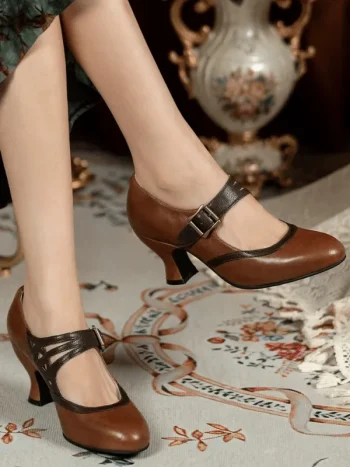
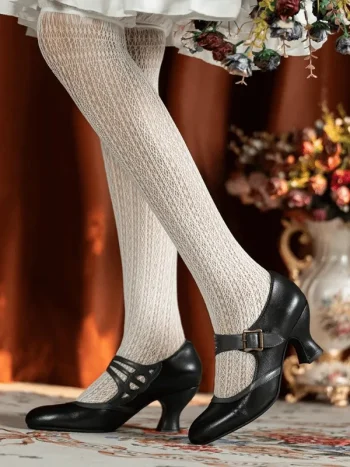
For formal events stiletto heels with a height of 3 to 7 centimeters are the top choice. Nude black or same color designs are the safest options they lengthen the body proportion and complement the elegant temperament of the qipao.
For daily occasions Mary Jane shoes and loafers are ideal choices. Those who prefer a unique style can match with minimalist Martin boots. Bulky sneakers and platform shoes should be avoided as they ruin the sleek line sense of the qipao.
Q:Can Qipao be Worn on Informal Occasions
A:Absolutely yes. Modern modified qipao has long broken free from the limits of formal settings. Especially A line and short length styles around knee level feature breathable fabrics minimalist designs and loose silhouettes. They are perfectly suitable for daily wear shopping friend gatherings and other casual occasions. Matching with denim jackets knit cardigans or hoodies can further weaken the formal sense and create a casual street style look.
Q:Can Anyone Wear Qipao
A:Absolutely anyone can wear a qipao. There are no restrictions based on race body type or age. The core charm of the qipao lies in showcasing confidence and grace. People with different body shapes and cultural backgrounds can always find a suitable silhouette and style. As long as you maintain basic respect for costume culture you can wear it without any hesitation.
Q:How to Choose the Right Qipao Size
A:Do not order a qipao directly according to your usual dress size. It is necessary to accurately measure your bust waist and hip measurements first then select the size by referring to the brand size chart with waist circumference as the primary reference standard. If your measurements fall between two sizes pick the larger one for daily wear or the smaller one if you prefer a fitted look for formal occasions.
Q:Does Wearing Qipao Involve Cultural Appropriation
A:Wearing a qipao does not count as cultural appropriation as long as you show basic respect for the culture and do not reshape it with malicious vulgarity or sensational novelty. Qipao itself is a globally recognized fashion piece its development has always benefited from the integration of diverse cultures. People of all ethnic backgrounds around the world can wear it to express admiration and respect for Eastern culture.
Q:How to Choose Fabrics for High End Qipao
A:For formal occasions heavy silk crepe and mulberry silk of 19 to 30 momme are the best options they offer excellent draping premium texture and good wrinkle resistance.For wedding custom styles brocade and jacquard fabrics paired with embroidery deliver a strong ceremonial vibe.For daily wear linen chiffon and acetate fabrics are breathable easy to maintain and cost effective perfect for frequent everyday use.
Q:How to Clean and Maintain Qipao
A:The cleaning and maintenance method depends largely on the fabric. High end qipao made of pure silk brocade or decorated with embroidery is recommended for professional dry cleaning to avoid deformation and color fading caused by water washing. Daily styles made of linen chiffon or knit fabric can be hand washed in cold water with gentle rubbing machine washing and spin drying should be avoided. After cleaning hang the qipao to dry in a cool shaded place and keep it away from direct sunlight. For long term storage cover it with a dust cover to prevent moisture and moth damage.

Related posts
Can Non Chinese Wear Qipao? Can Foreigners Wear Qipao
Qipao, also written as qipao or cheongsam, is one of the most recognizable traditional garments in C...
Can Anyone Wear Qipao? Can White People Wear Cheongsam?
Qipao, also commonly written as qipao or cheongsam, is one of the most recognizable Chinese garments...
How to Clean and Maintain Qipao / Cheongsam
Buying a qipao you love is only the first step. The real challenge is keeping its drape and sheen in...
Qipao History | Chinese Cheongsam Dress History
The qipao, also known as the cheongsam, is one of the traditional garments that best represents the ...
What Shoes to Wear With a Qipao | Cheongsam Shoes Matching Guide
Qipao, also known as Cheongsam, originated in the 1920s and 1930s and is one of the most iconic form...
Qipao vs Kimono vs Hanbok | What is the Difference?
Qipao, kimono, and hanbok represent the traditional clothing cultures of China, Japan, and Korea, re...
Kimono vs Qipao / Cheongsam | What is the Difference?
Kimono and qipao are both highly recognizable Eastern garments, but they come from different cultura...
Modern Qipao vs Traditional Qipao | What is the Difference?
Modern qipao and traditional qipao both come from Eastern fashion aesthetics, but they are not the s...
Hanfu vs Qipao / Cheongsam
Hanfu and Qipao/Cheongsam are the most representative classic Chinese garments, each boasting distin...
Qipao vs Cheongsam
If you are familiar with Chinese traditional clothing, you must be familiar with the two terms Cheon...
Qun Kwa vs Qipao (Cheongsam) What Are the Differences
Qun Kwa and Qipao also known as Cheongsam are two iconic classic garments. They are also the most co...
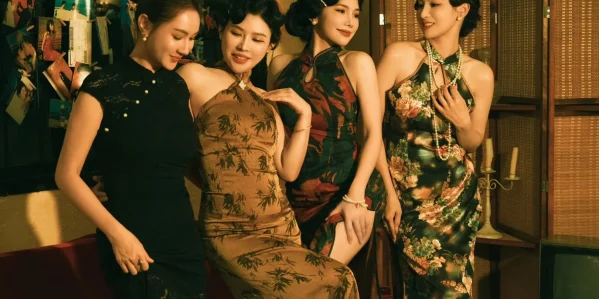
What is Cheongsam? About qipao dress
The history of the cheongsam dates back nearly a century to China in the 1920s the early days of the...
Bestselling Qipao


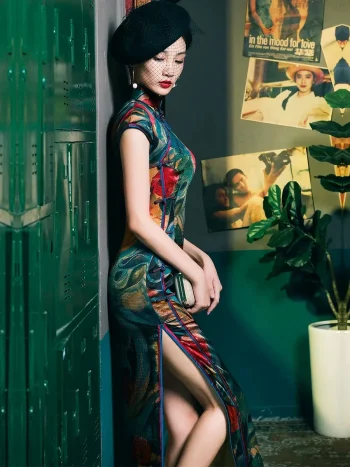
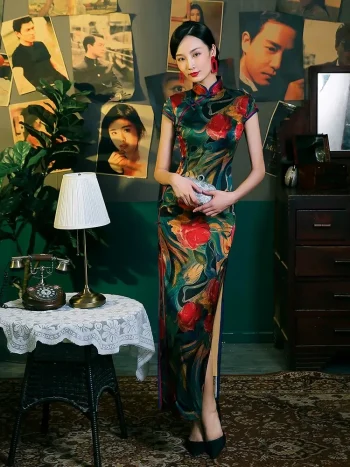
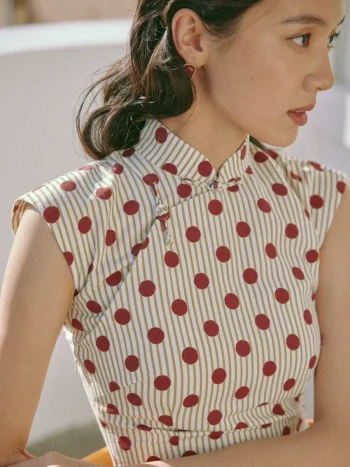
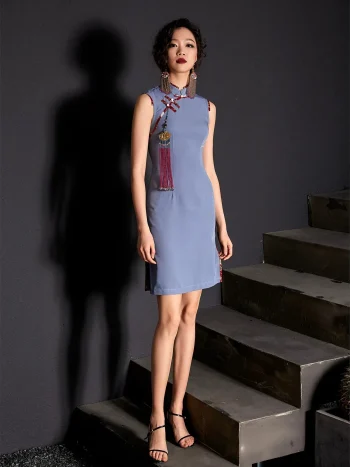
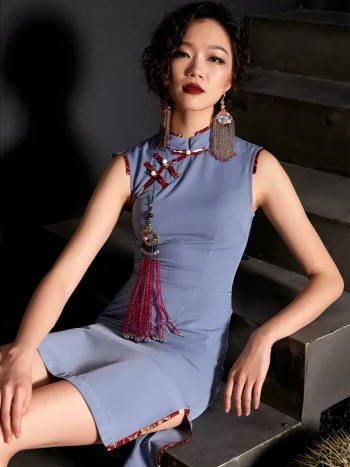
Women’s Misty Blue Short Cheongsam Dress
Price range: $109.00 through $119.00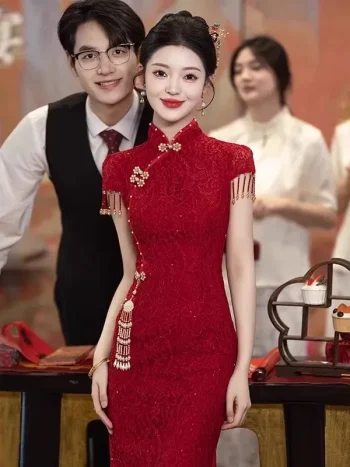
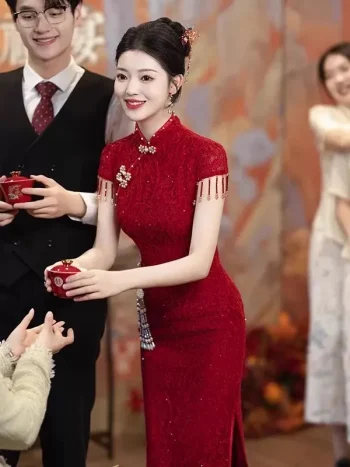
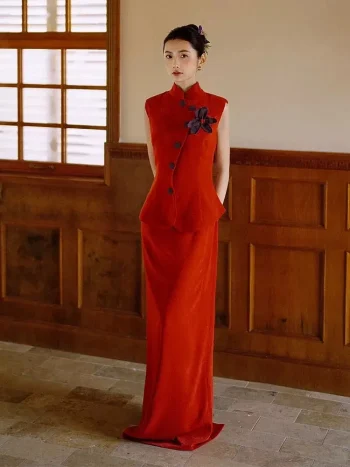
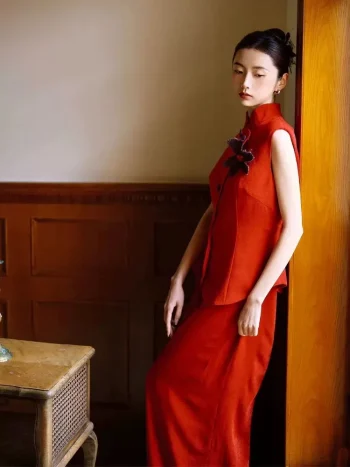
Modern Dark Red Chinese Slim Fit Qipao Dress
Price range: $136.00 through $151.00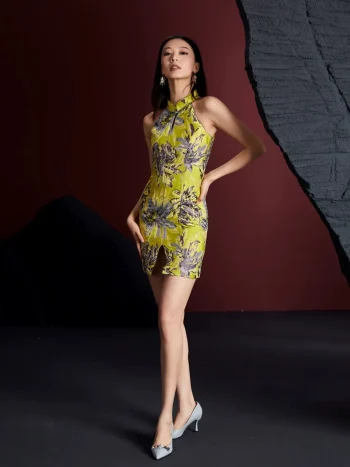
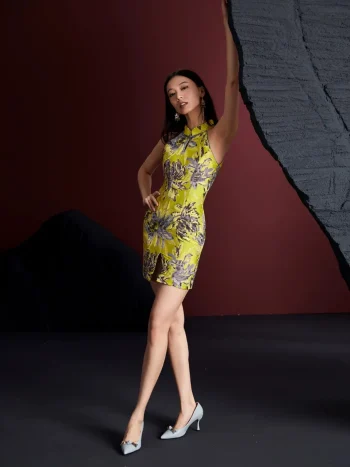
Recent Comments