Free Worldwide Shipping | Subscribe to Our Newsletter for 10% Off Your First Order

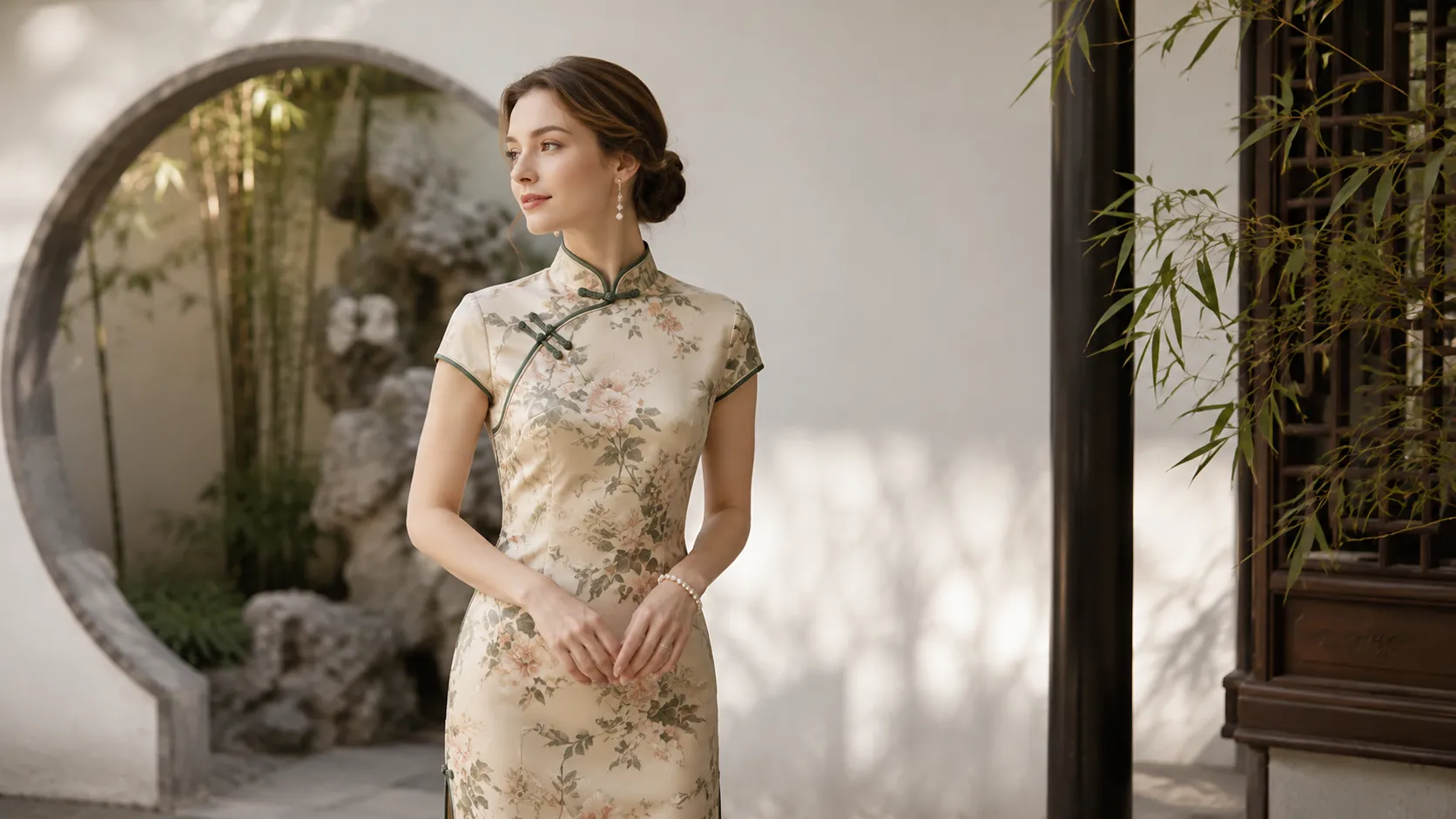

Qipao, also written as qipao or cheongsam, is one of the most recognizable traditional garments in China. Many people love its silhouette and elegance, but they also worry about whether they can wear it or whether it might offend the culture. This article answers those questions directly and explains the right occasions, boundaries, and safer style choices.
Quick answer: Can Non Chinese / Foreigners Wear a Qipao?
Yes. A qipao is a Chinese garment, so the key question is not whether you are Chinese. The real question is whether you wear it with respect as a cultural garment. As long as the occasion is appropriate, the presentation is respectful, and the styling is not overly mocking or exoticizing, non Chinese people can wear a qipao without issue.
Can White People Wear Cheongsam?
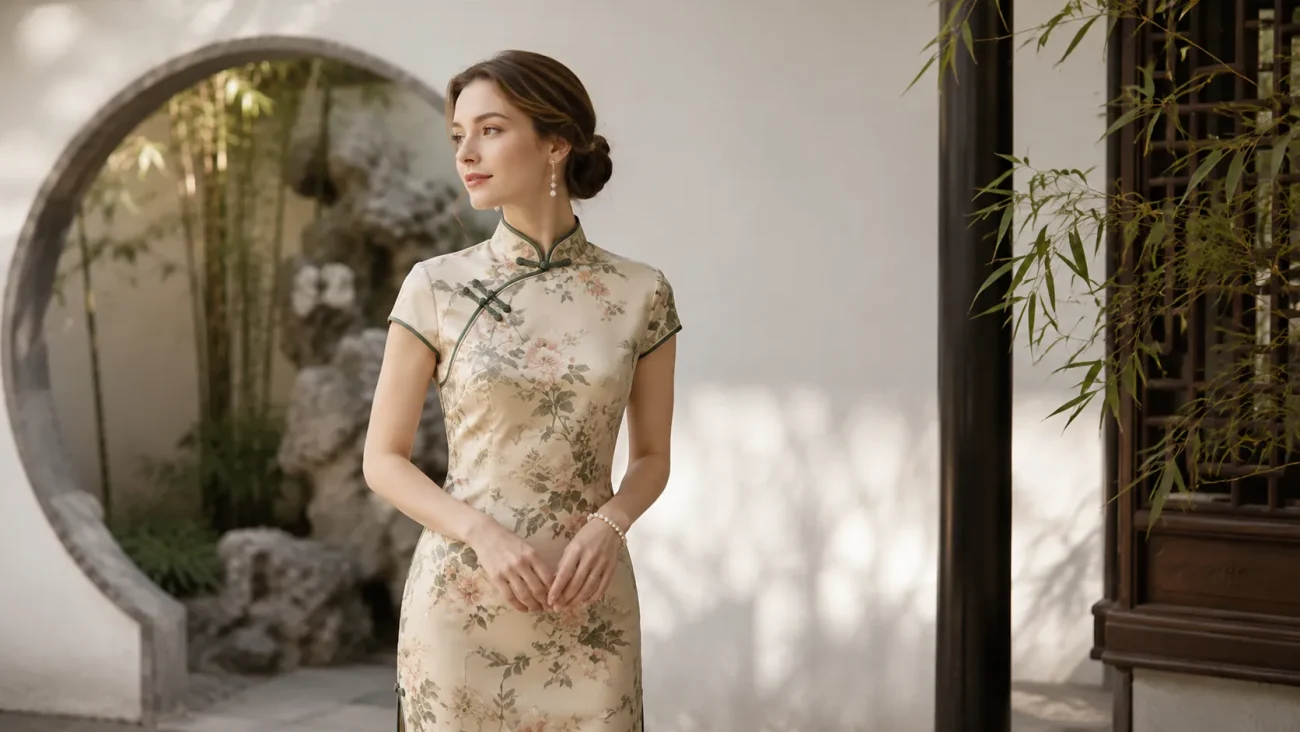
Yes. People of any skin tone can wear a qipao. What matters is not race or nationality, but whether the garment is worn respectfully. If you honor its cultural roots and wear it in the right setting, the qipao can naturally show its original beauty. It feels most appropriate at weddings, festivals, formal events, or cultural photo shoots. It becomes more controversial when it is presented as a joke, in a sexualized way, or as an exotic spectacle.
Is Wearing a Qipao as a Non Chinese Person Cultural Appropriation? Clear Boundaries and Common Mistakes
Not necessarily. Wearing a qipao is not automatically cultural appropriation. What crosses the line is turning it into a stereotype, a joke, or an object, or ignoring the fact that it comes from Chinese culture. In recent debates, the real question has not been whether people can wear it. The real issue is whether they respect the original culture, clearly acknowledge where it comes from, and avoid reducing a traditional garment to a visual gimmick.
The safest boundary is simple. You can appreciate it, learn about it, and wear it, but do not treat it as a novelty prop. You can take photos and attend events, but the outfit should match the occasion. You can create a look, but do not turn the traditional garment into an exaggerated punchline or label. As long as the presentation is respectful, cultural appropriation is not the issue.
The Proper Way to Wear a Qipao with Respect
If you want to wear a qipao well, the key is to treat it as a Chinese garment with cultural meaning. The styling does not need to be complicated. Hair, shoes, bags, and makeup only need to match the overall mood of the dress. Formal styles work best with simpler pairings, while updated styles can feel more relaxed. As long as the look feels cohesive, the qipao will usually appear natural and elegant, and your respect for the garment will come through clearly.
It is also best to avoid turning the qipao into an exaggerated costume. What makes people uncomfortable is usually not the qipao itself, but the forced or theatrical way it is presented. When you dress seriously and choose the right occasion, that is usually enough to look appropriate.
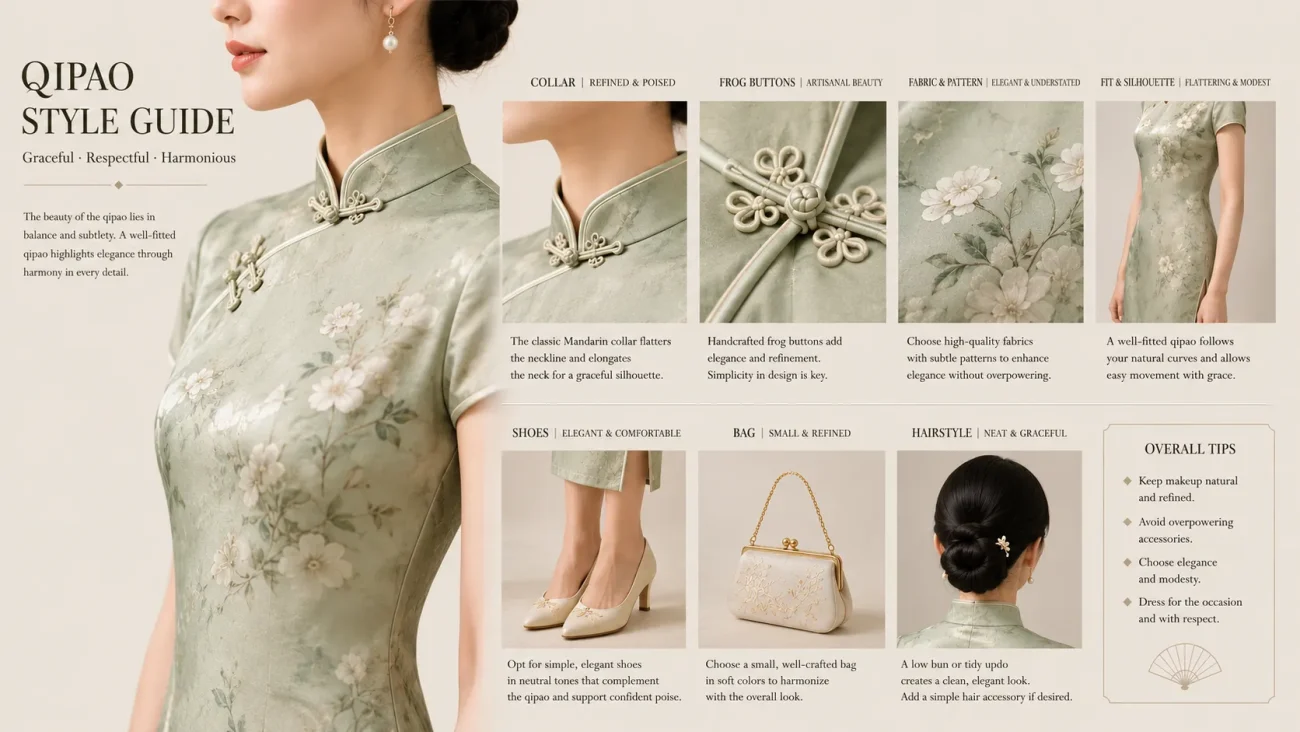
Stay Elegant and Avoid Mistakes: Qipao Styles for Every Occasion
When choosing a qipao, do not only think about whether it looks good. Also think about where you will wear it. Qipao are highly recognizable garments with strong lines, and the best style for one occasion may not suit another. Choosing by occasion matters more than choosing by trend.
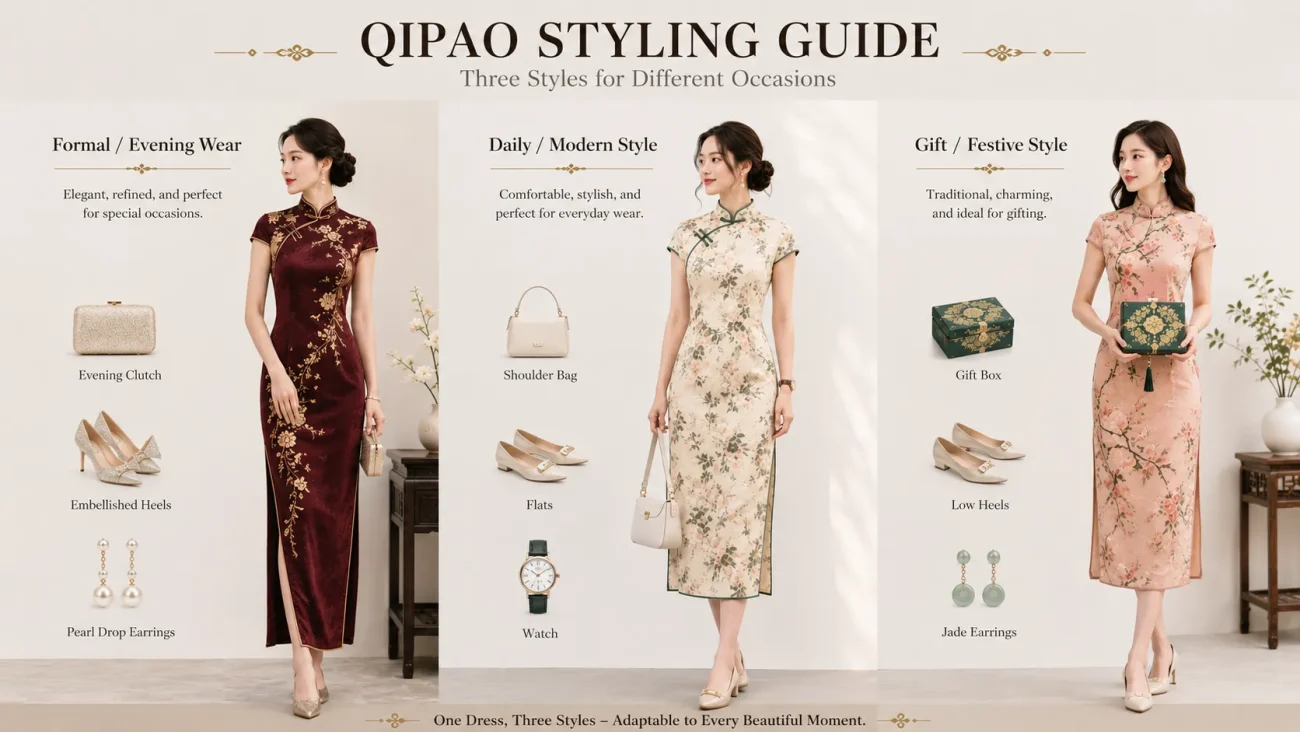
Formal Occasion Dress Styles
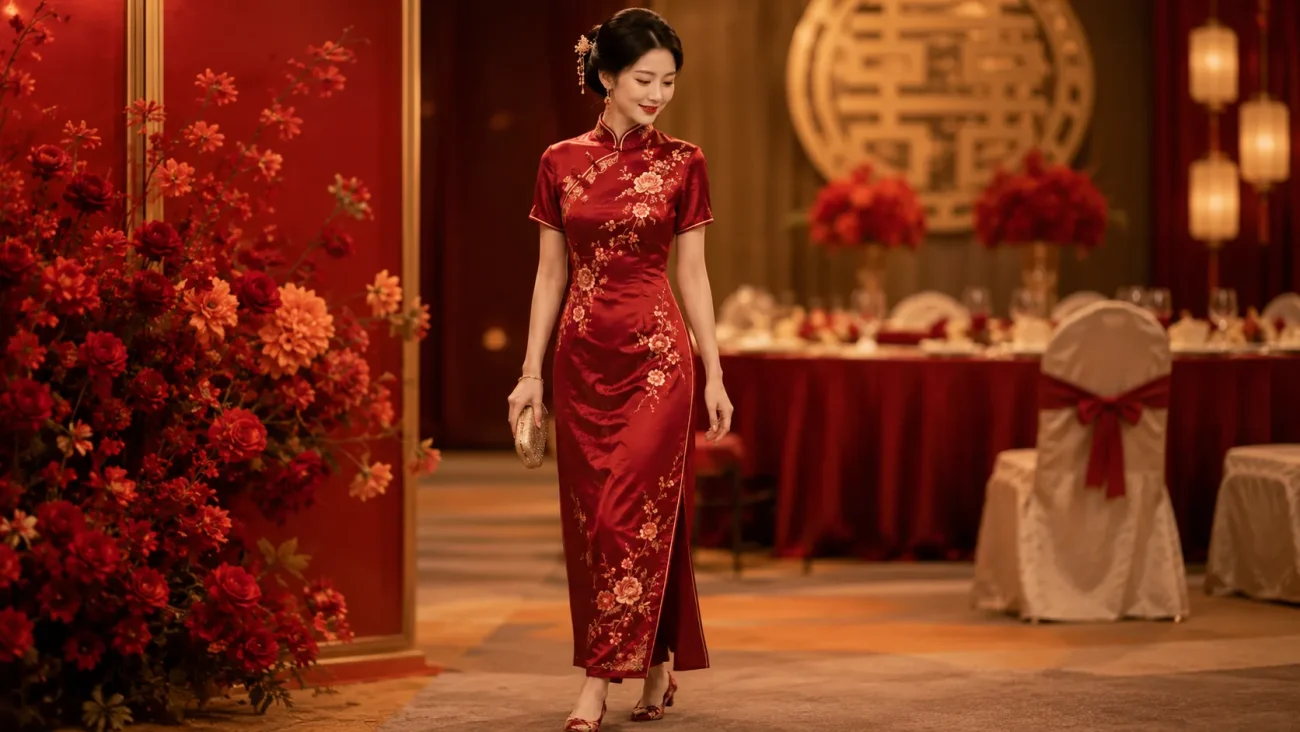
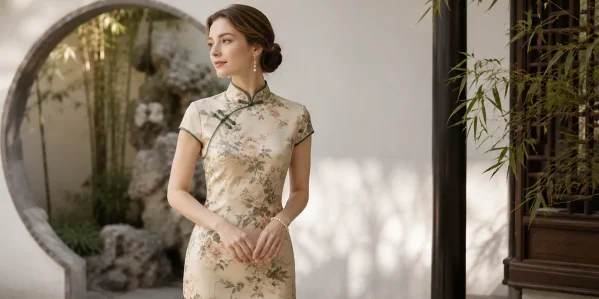
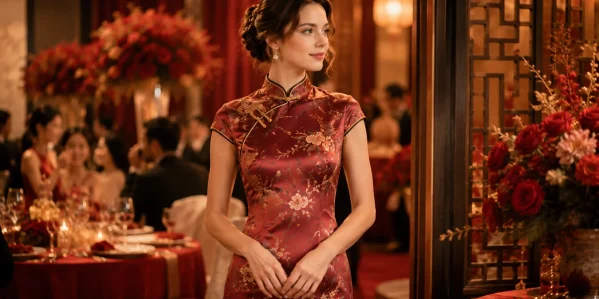
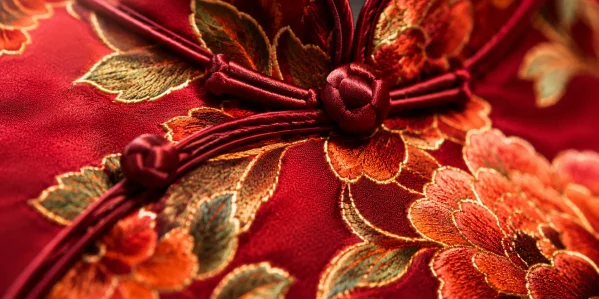
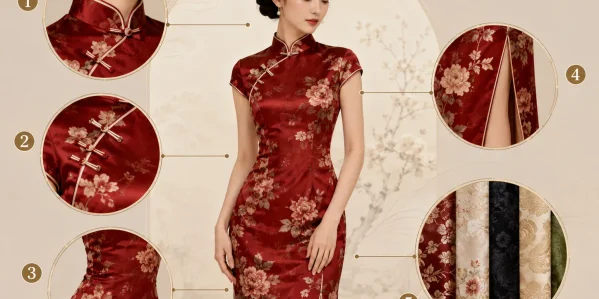
For weddings, festivals, banquets, graduation events, and brand events, it is better to choose styles with a more structured fabric and a more complete silhouette. Silk, satin, delicate embroidery, and frog button details are all good options. A slightly more formal length also works well. These styles look especially good under lights, in photos, and in ceremonial settings because they bring out the elegance of the qipao itself.
If you are the bride or need formal wedding photos, choose qipao with embroidery, bead details, gold thread motifs, or a longer skirt line. These designs work better on camera and often look more complete and polished in formal settings. The key is not to use as many decorations as possible. The key is to make sure the details match the level of formality of the event.
Casual and Everyday Friendly Starter Styles
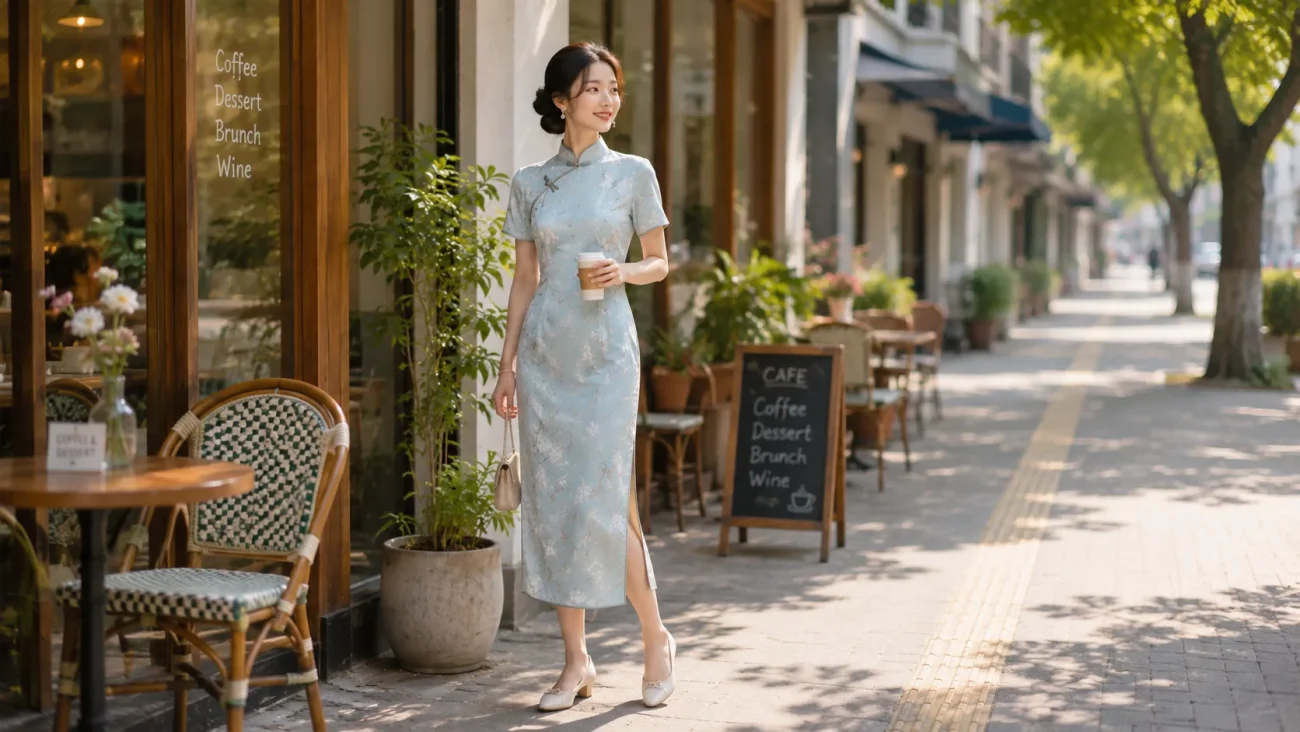
If you want to wear a qipao in daily life, it is better to choose an updated style or a more relaxed cut. Cotton linen, blended fabrics, light prints, short lengths, or midi lengths are all easier to wear than very formal traditional silhouettes. These styles still keep the Eastern character of the qipao, but they are easier for casual outings, restaurant dates, weekend trips, and light social gatherings.
The point of this kind of qipao is to be easy to wear, easy to match, and not overly formal. You do not need to style it heavily. As long as it works with your shoes, bag, outerwear, and everyday makeup, it will look natural. For someone trying a qipao for the first time, an entry level style is usually much easier to wear with confidence.
Best Gift Choices That Are Hard to Get Wrong
If you are buying a qipao for a partner, mother, friend, or colleague, it is best to choose a style that feels safe, tasteful, and easy to wear in many settings. Colors like deep blue, burgundy, dark green, champagne, or subtle floral patterns are usually a good choice. The fit should not be too demanding, and the overall design should feel neat and dignified. This makes it less likely to be a bad gift and more likely to match most people’s taste.
The safest gift is a qipao that most people would be comfortable wearing and would still look good in. Compared with overly dramatic designs, a well fitted silhouette, quality fabric, and clean details usually make a better gift. A qipao already has a strong presence, so the gift does not need too much decoration to stand out. Simple and refined is often the safest choice.
Frequently Asked Questions
Q: What should I pay attention to when wearing a qipao for the first time?
A: For a first time qipao wear, start with the occasion and then choose the fit. Formal events work better with more structured styles, while everyday settings are better for updated designs. Do not begin with a style that is too tight, too slit heavy, or too complicated. Start with something that feels natural, then gradually find the style that suits you best. That usually builds confidence more easily.
Q: Does a qipao have to be worn only by Asian people?
A: No. A qipao is a Chinese garment, and anyone can wear it as long as the styling is respectful and the occasion is appropriate. What should be avoided is turning it into a joke, a novelty, or an object. Wearing the garment itself is not the problem.
Q: Is wearing a qipao cultural appropriation?
A: Not necessarily. Whether something is seen as cultural appropriation depends on how you wear it, where you wear it, and whether you respect its cultural roots. If you learn about it first, dress naturally, and present it respectfully, that is usually closer to cultural appreciation. If you make it exaggerated or purely for entertainment, problems are more likely.
Q: Would it be inappropriate for white people to wear a qipao?
A: No, not because of skin color alone. What matters more is attitude and presentation. White people, Black people, Latino people, and people of any other background can wear a qipao if they understand the cultural context and wear it respectfully.
Q: What occasions are suitable for wearing a qipao?
A: Weddings, Lunar New Year, Mid Autumn Festival, banquets, graduation ceremonies, brand events, cultural gatherings, and photo shoots are all suitable. The more formal the occasion, the better it is to choose a style with better texture and a more complete silhouette. For everyday wear or light social occasions, a more relaxed updated style works better.
Q: What occasions are not ideal for wearing a qipao?
A: A gym, hiking, the beach, heavy lifting, physical labor, and intense sports are not good settings for a qipao. A qipao is more formal and more focused on shape and structure. In these situations, it is not convenient and the garment can also be damaged more easily.
References & Sources
- Encyclopaedia Britannica — Qipao
- TIME — Teen Defends Her Chinese Prom Dress After Cultural Appropriation Backlash
- AP News — Mexican-American designer apologizes for Adidas sandal design accused of cultural appropriation
- The Guardian — Louis Vuitton accused of cultural appropriation of Romanian blouse
- Victoria and Albert Museum — Kimono
- Can Anyone Wear Qipao? Can White People Wear Cheongsam?

Related posts
Qipao Pronunciation | How to Pronounce Cheongsam and Qipao
When discussing traditional Chinese clothing in English, Qipao and Cheongsam are the two most freque...
What Do the Colors of a Qipao Represent?
The qipao, also known as the cheongsam, is one of the most recognizable traditional garments in the ...
Can Non Chinese Wear Qipao? Can Foreigners Wear Qipao
Qipao, also written as qipao or cheongsam, is one of the most recognizable traditional garments in C...
Can Anyone Wear Qipao? Can White People Wear Cheongsam?
Qipao, also commonly written as qipao or cheongsam, is one of the most recognizable Chinese garments...
How to Clean and Maintain Qipao / Cheongsam
Buying a qipao you love is only the first step. The real challenge is keeping its drape and sheen in...
Qipao History | Chinese Cheongsam Dress History
The qipao, also known as the cheongsam, is one of the traditional garments that best represents the ...
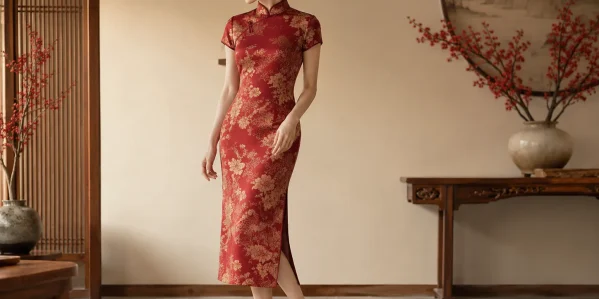
What Shoes to Wear With a Qipao | Cheongsam Shoes Matching Guide
Qipao, also known as Cheongsam, originated in the 1920s and 1930s and is one of the most iconic form...
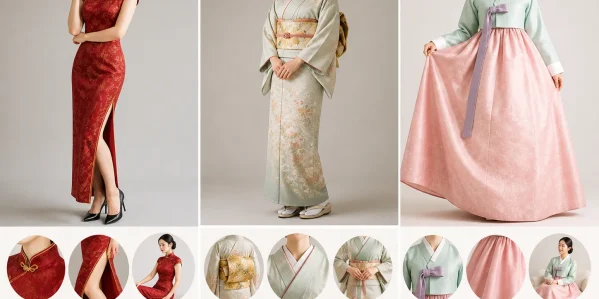
Qipao vs Kimono vs Hanbok | What is the Difference?
Qipao, kimono, and hanbok represent the traditional clothing cultures of China, Japan, and Korea, re...
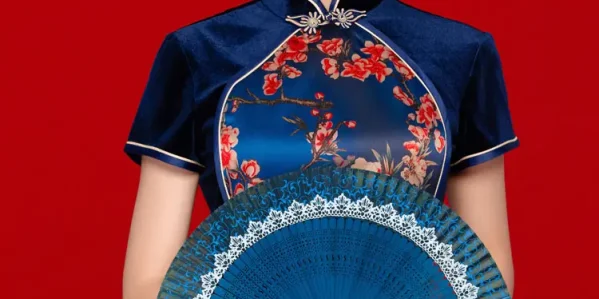
Kimono vs Qipao / Cheongsam | What is the Difference?
Kimono and qipao are both highly recognizable Eastern garments, but they come from different cultura...
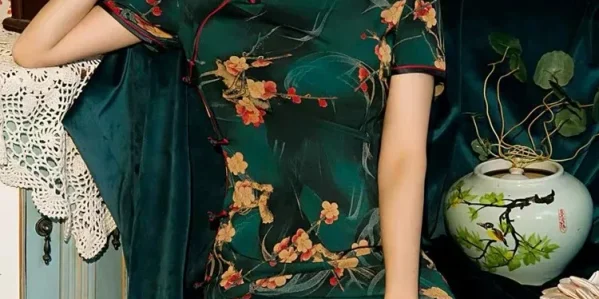
Modern Qipao vs Traditional Qipao | What is the Difference?
Modern qipao and traditional qipao both come from Eastern fashion aesthetics, but they are not the s...
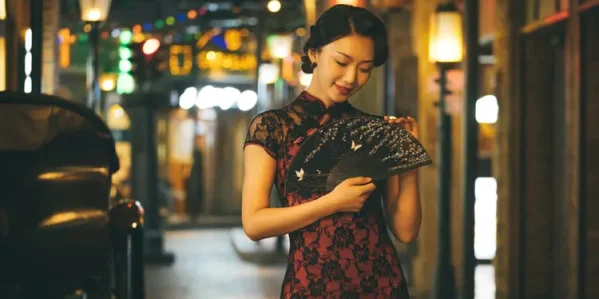
Hanfu vs Qipao / Cheongsam
Hanfu and Qipao/Cheongsam are the most representative classic Chinese garments, each boasting distin...
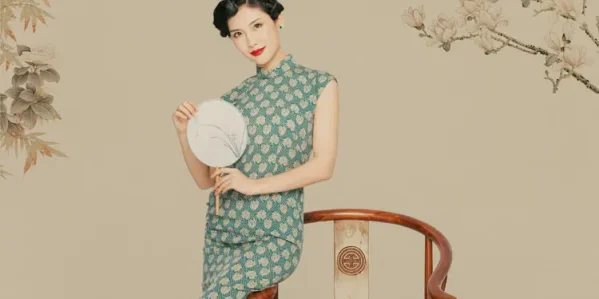
Qipao vs Cheongsam
If you are familiar with Chinese traditional clothing, you must be familiar with the two terms Cheon...
Bestselling Qipao


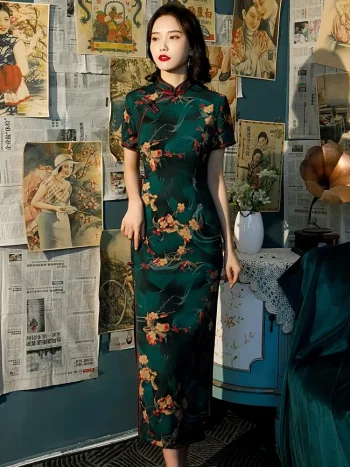
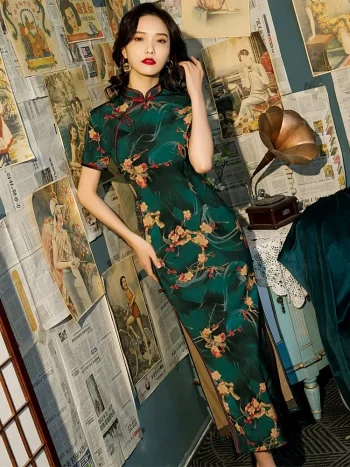
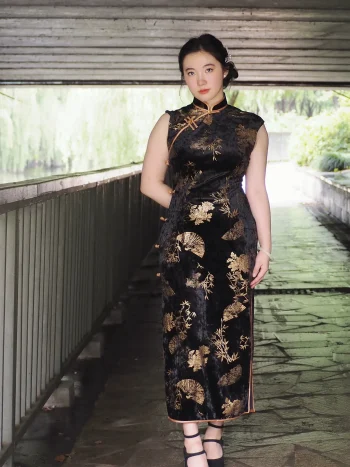
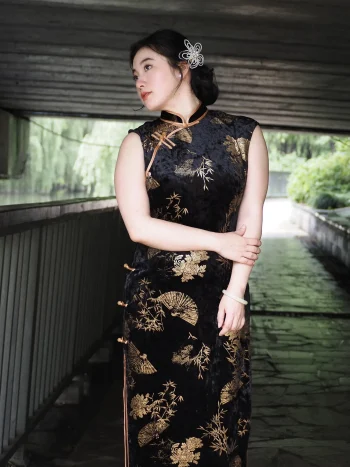
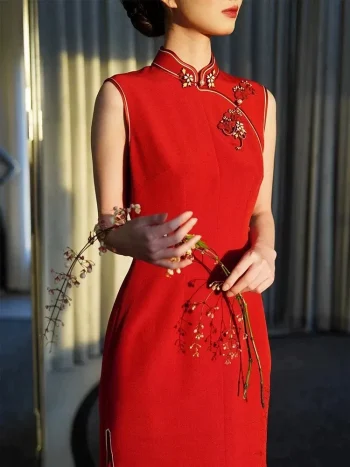
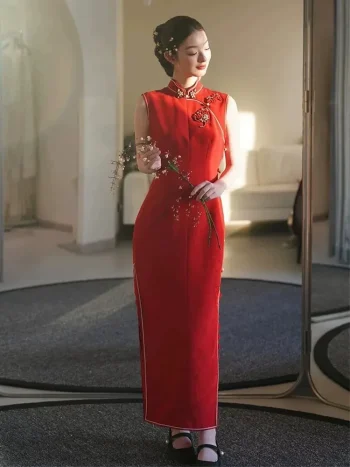
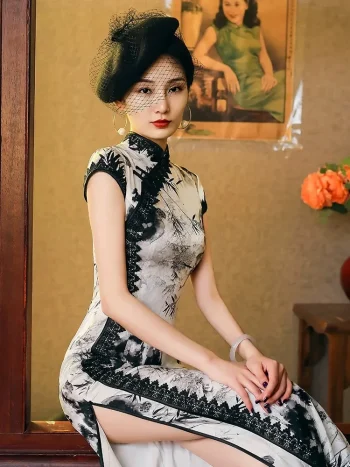
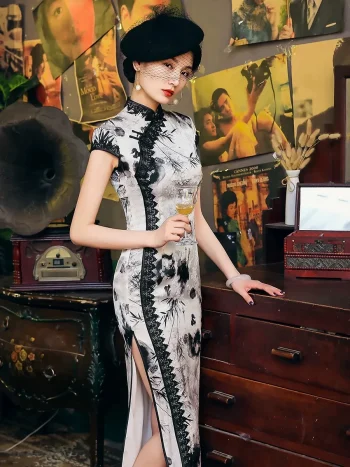
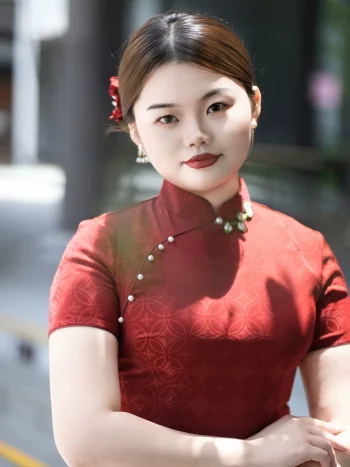
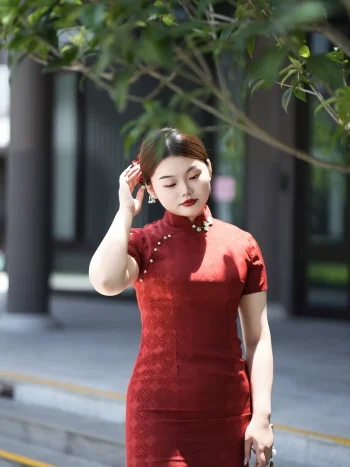
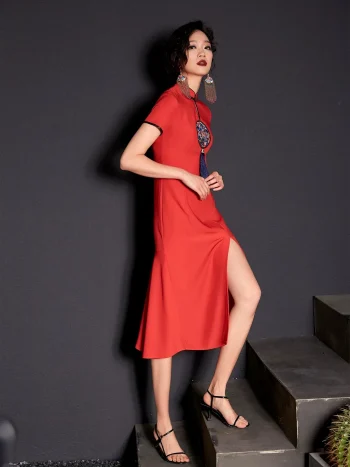
Plus Size Red Long Cheongsam
$134.00
Recent Comments