Free Worldwide Shipping | Subscribe to Our Newsletter for 10% Off Your First Order


The qipao, also known as the cheongsam, is one of the most recognizable traditional garments in the world. Originating from Manchu clothing during the Qing Dynasty, it reached its golden age in 1920s Shanghai, evolving into a modern fashion statement that highlights feminine curves and elegance. Today, whether on international red carpets, at grand weddings, or during summer garden parties, the qipao remains a captivating centerpiece.
However, when choosing the perfect qipao, aside from the cut and fabric, color is often the most important yet easily overlooked element. In Eastern culture, the colors of a qipao are never just for visual appeal; they are profound expressions of luck, social status, and inner emotions.
This article will take you deep into traditional Chinese color psychology. We will break down the cultural meanings and historical backgrounds behind different qipao colors, and provide professional advice on choosing the most appropriate color for various occasions.
Meaning of Qipao Colors: A Quick Overview
Before we dive deeper, if you are quickly picking out a qipao for an upcoming event, the color guide below can help you understand the core meanings and best occasions for each color at a glance.
| Qipao Color | Core Symbolism | Best Occasions |
|---|---|---|
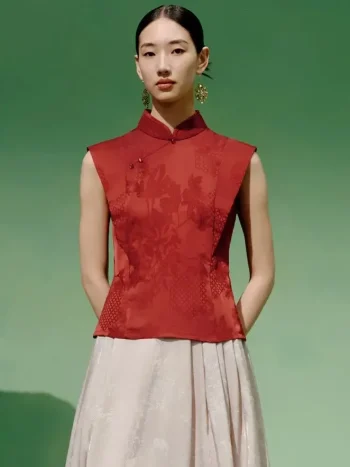
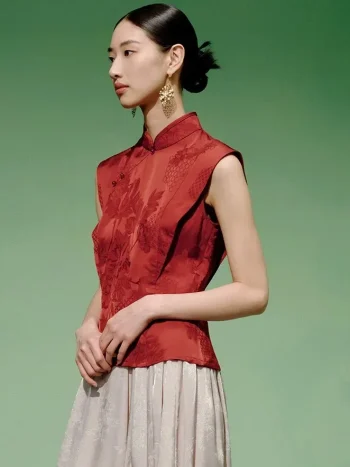
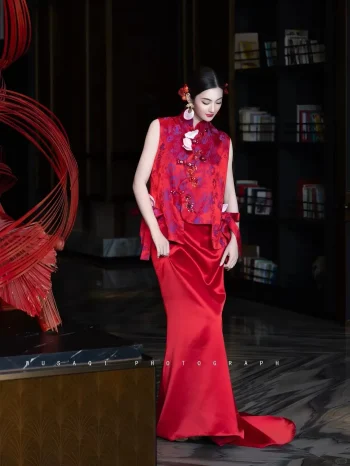
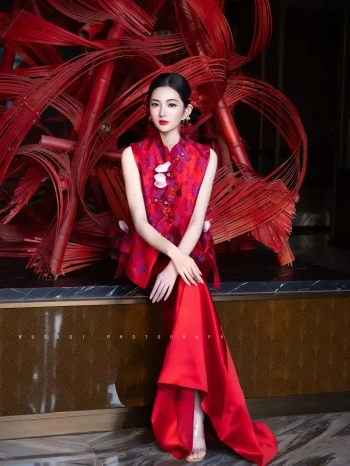
| Red | Good luck, joy, prosperity, warding off evil spirits | Lunar New Year, traditional Chinese weddings, festive banquets |
| Yellow / Gold | Imperial power, wealth, authority, prestige | Upscale galas, red carpet events, formal celebrations |
| Black | Mystery, sophistication, modernity, authority | Business dinners, cocktail parties, fashion events |
| Pink | Romance, youth, vitality, approachability | Bridesmaid dresses, spring dates, prom nights |
| Blue | Calmness, healing, grace, timelessness | Formal meetings, cultural events, daily commutes |
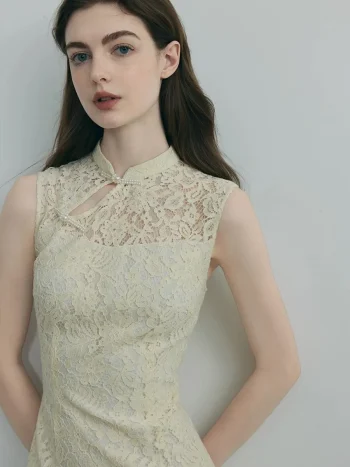
| White | Purity, modern minimalism, elegance | Western wedding tea ceremonies, everyday summer wear, art exhibitions |
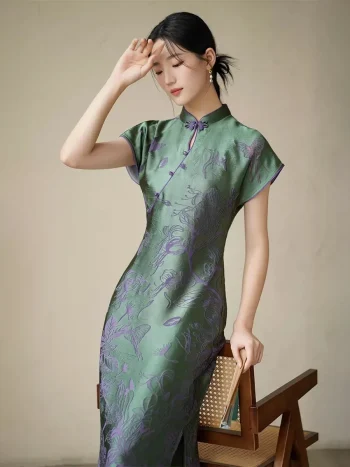
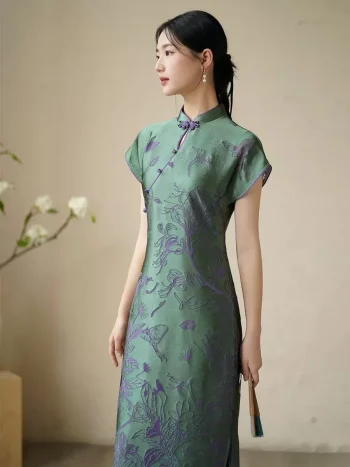
| Green | Harmony, vitality, natural beauty, growth | Outdoor gatherings, afternoon tea, spring and summer fashion |
| Purple | Wisdom, spirituality, luxury, nobility | Evening banquets, formal gatherings for mature women |
| Embroidered / Multicolored | Prosperity, blessings of a large family, cultural heritage | Major traditional festivals, collector pieces, prestigious ceremonies |
Decoding Qipao Colors: Detailed Meanings
Now that we have covered the basics, let us further decode the fascinating history and cultural details behind these colors. What message are you sending the world when you wear these qipao colors?
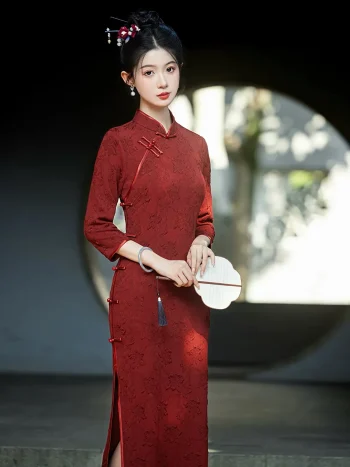
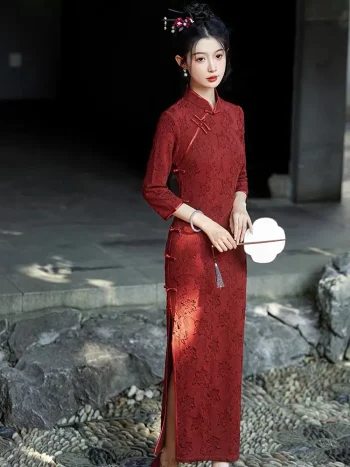
Red Qipao Meaning: Luck, Joy, and Prosperity
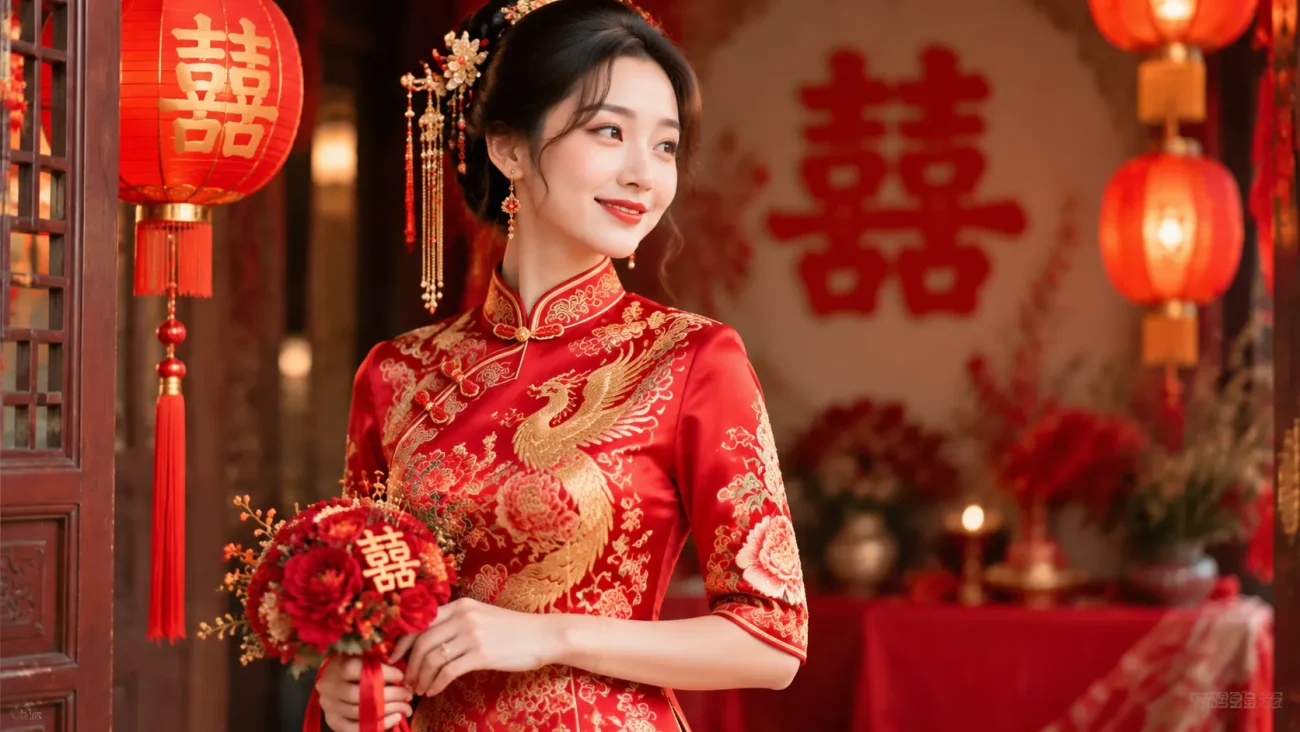
In Western culture, red typically represents passion and love. In traditional Chinese culture, however, red is the absolute ultimate color of celebration and vitality. It symbolizes good luck, joy, and life force, and is believed to have the power to ward off evil. In ancient times, red dye was highly precious, so bright true red was often reserved for festive occasions.
Wearing Advice: A red qipao is the perfect choice for Lunar New Year gatherings or traditional Chinese weddings, whether you are the bride or a guest. If you want to be the center of attention at a banquet, a red qipao with gold embroidery will bring you unmatched radiance.
Yellow and Gold Qipao Meaning: Royalty, Wealth, and Power
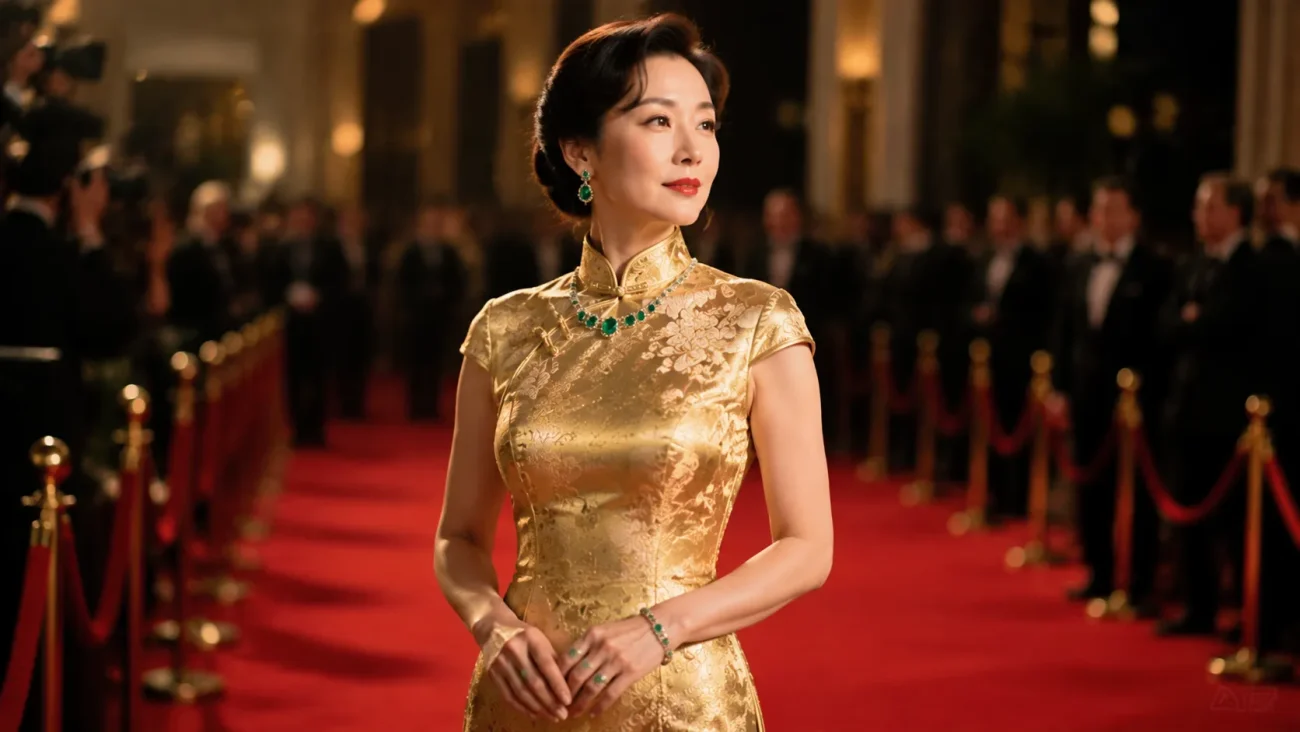
In the ancient Chinese color system, yellow represents the earth element in the Five Elements, located at the center of the universe. For centuries, pure yellow, especially bright yellow, was the exclusive color of the Emperors and Empresses of Imperial China. It symbolized supreme and untouchable power. Commoners caught wearing it could even face severe punishment. Today, yellow and gold still symbolize ultimate prestige, wealth, and power.
Wearing Advice: When you need to project a powerful presence or attend a very grand celebration, a gold or yellow qipao is an excellent choice. Pairing it with high contrast jewelry like rubies or emeralds will push your glamorous look to the absolute limit.
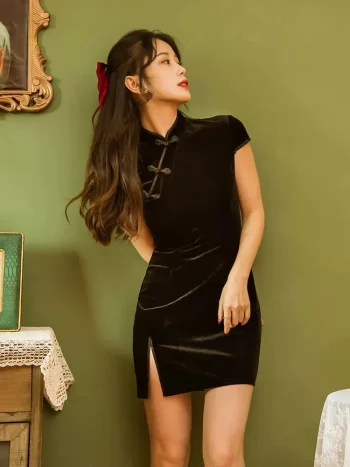
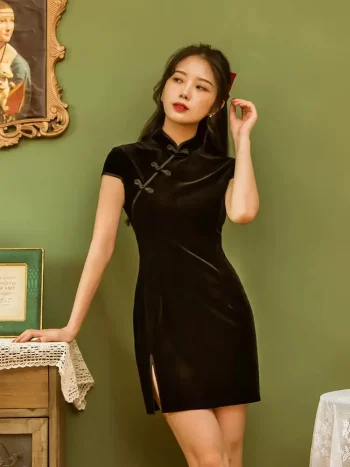
Black Qipao Meaning: Mystery, Sophistication, and Elegance
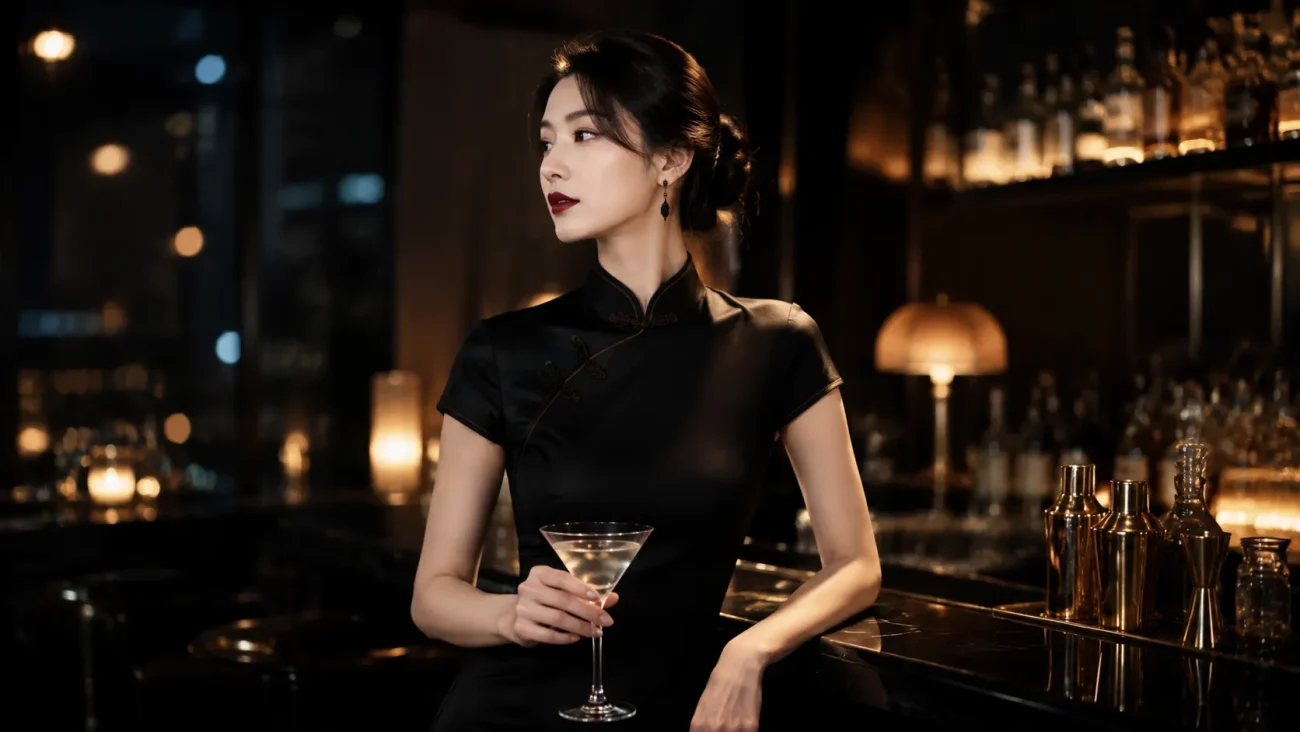
In the traditional Chinese color system, black represents water, symbolizing depth and the unknown. However, the popularity of the black qipao is largely due to the influence of the Western little black dress trend in 1930s Shanghai. The modern black qipao represents mystery, sophistication, independence, and the authority of contemporary women.
Wearing Advice: A black qipao offers an excellent slimming effect, making it the top choice for evening cocktail parties, business dinners, or avant garde fashion events. It is versatile and sophisticated, a classic piece every woman should have in her wardrobe.
Pink Qipao Meaning: Romance, Youth, and Playfulness
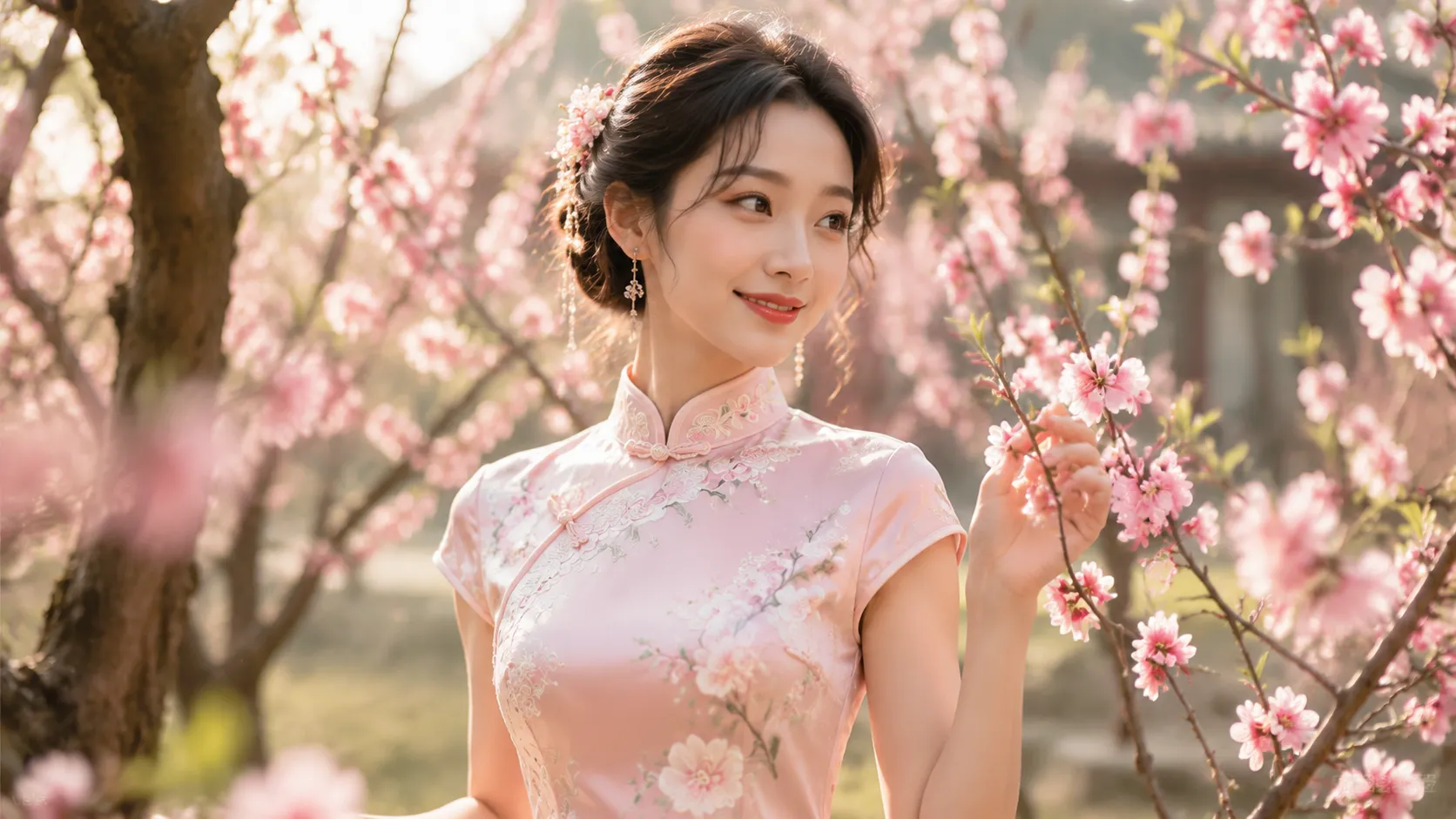
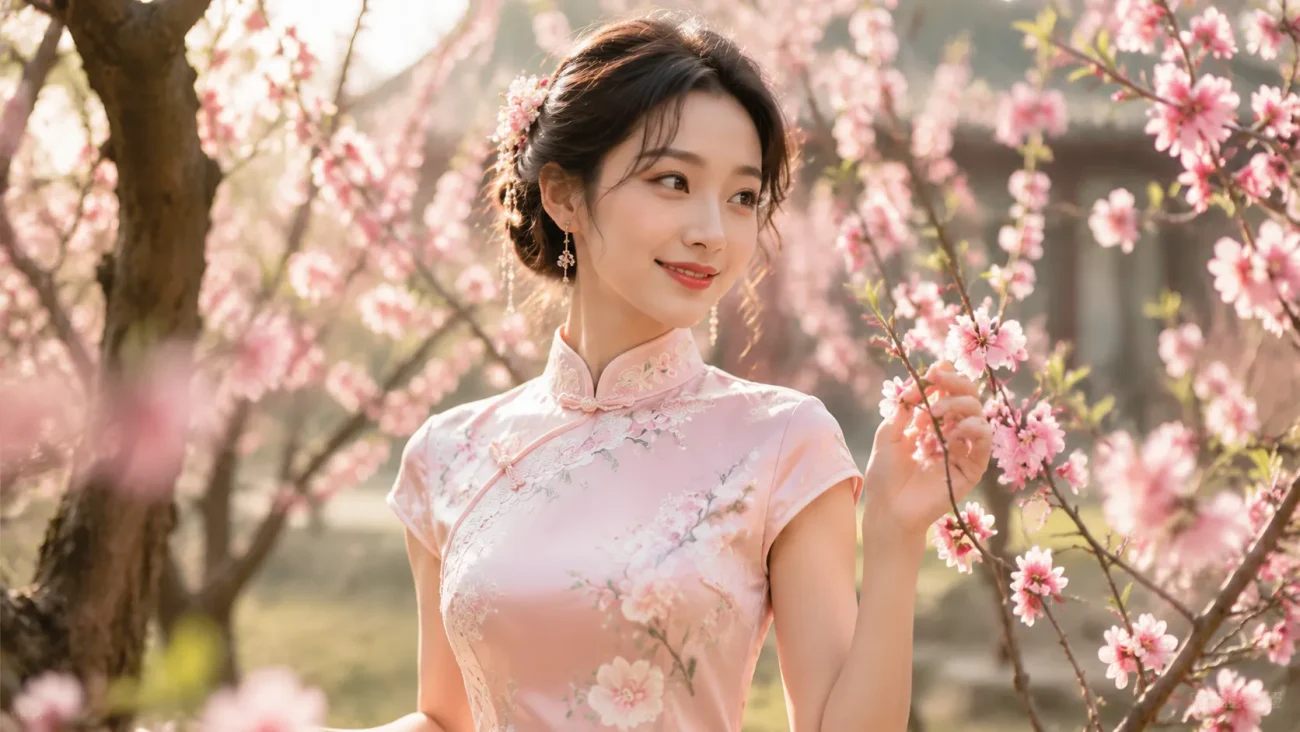
Pink is considered an extension of red in traditional colors. It leaves behind the solemnity of true red, bringing a soft, romantic, youthful, and playful vibe. A pink qipao often brings to mind spring peach blossoms, symbolizing beautiful love and vibrant energy.
Wearing Advice: For young women or wearers hoping to show a gentle elegance, pink or pastel colored qipaos are highly suitable. They are ideal choices for bridesmaid dresses, prom gowns, or romantic date outfits.
Blue Qipao Meaning: Calmness, Healing, and Grace
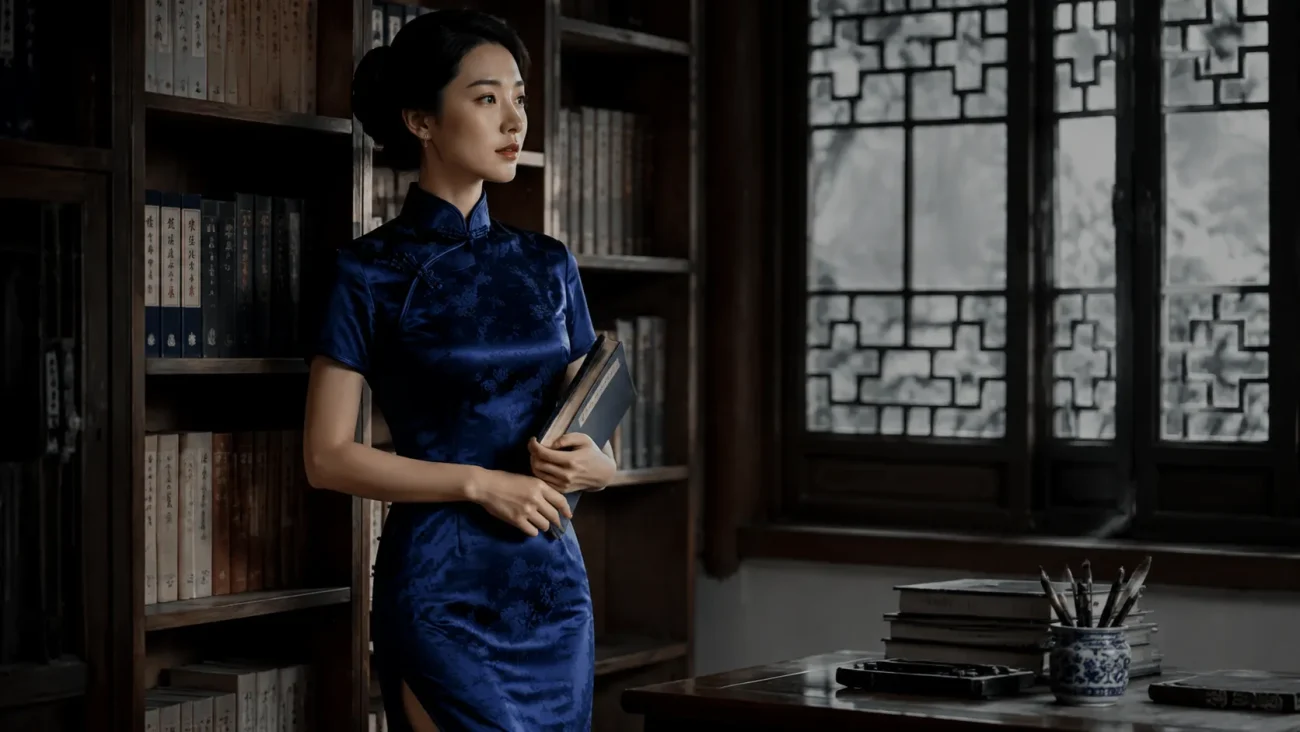
Blue represents the sky and the ocean, symbolizing calmness, healing, wisdom, and longevity. During the Ming and Qing dynasties, blue dye was widely used, with the world renowned Blue and White Porcelain being the most famous example. A blue qipao naturally carries an intellectual, composed, and classic scholarly elegance.
Wearing Advice: Navy blue or sapphire blue qipaos are perfect for formal business occasions, transmitting a professional and trustworthy signal. Light blue qipaos are great for daily wear or visiting art galleries, showing your graceful and tranquil side.
White Qipao Meaning: Purity, Modernity, and Minimalism
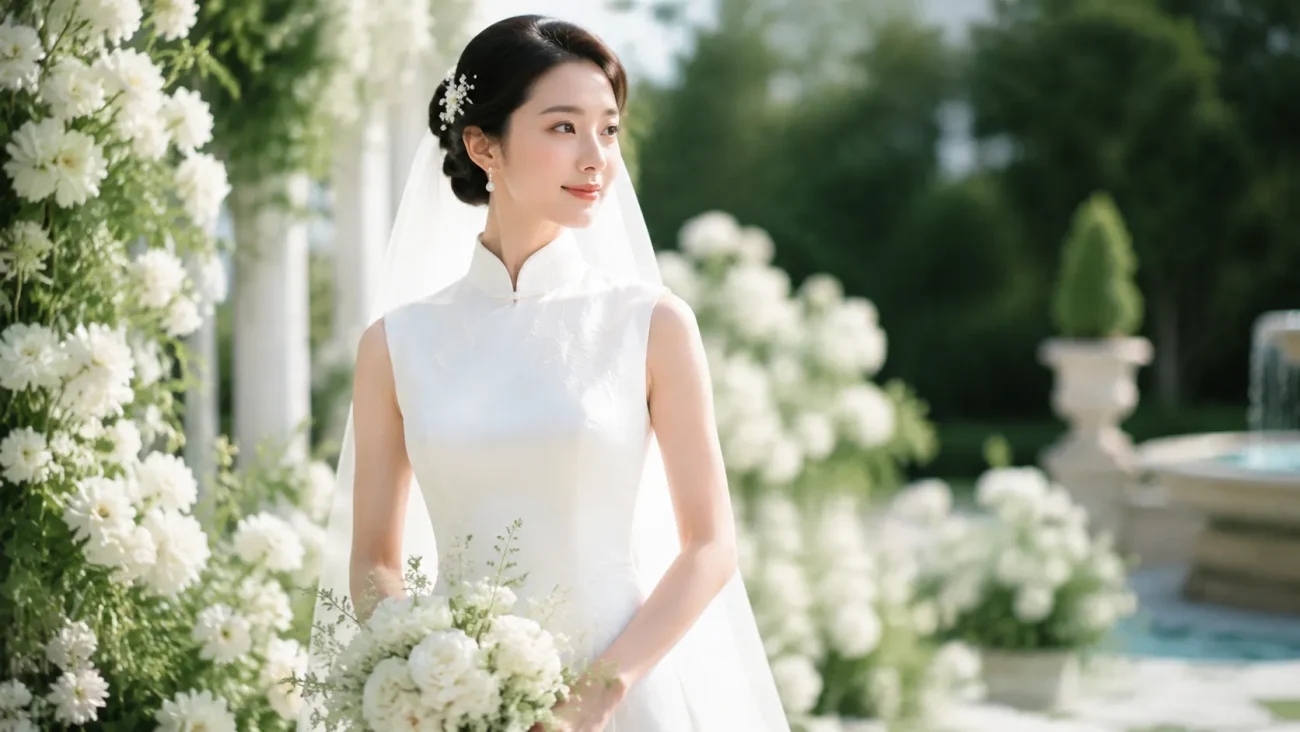
White has certain differences in cross cultural understanding. In ancient Chinese tradition, white was once the color of mourning. But with the passage of time and the blending of Eastern and Western cultures, white in modern qipao design has transformed into a synonym for purity, nobility, and minimalism.
Wearing Advice: A white qipao is highly suitable for summer, bringing a cool and pure visual effect. Today, many brides also choose modern modified qipaos in white or ivory as their Tea Ceremony Dress at Western weddings, perfectly blending Eastern and Western beauty.
Green Qipao Meaning: Harmony, Growth, and Natural Beauty
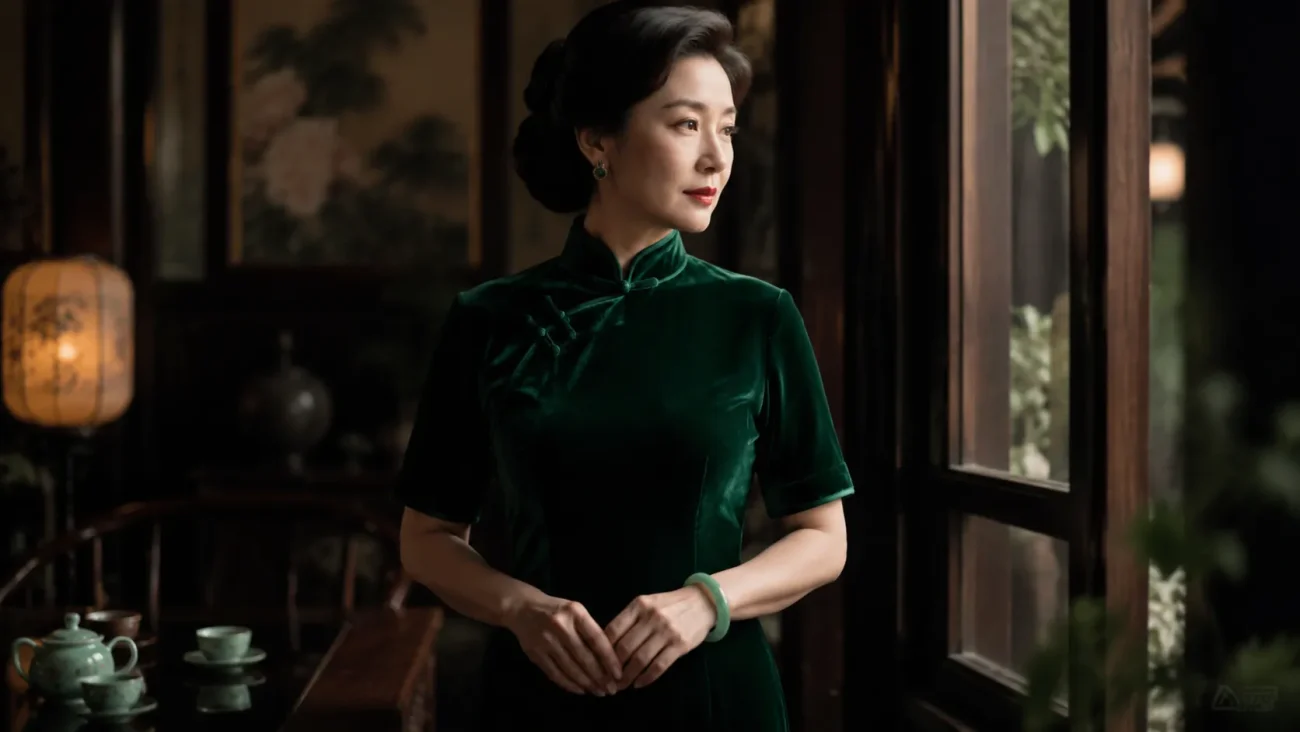
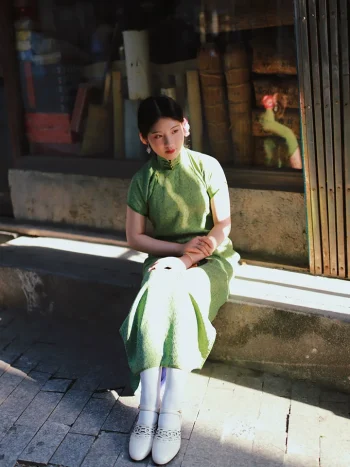
Green represents vitality, spring, harmony, and the beauty of nature. In Chinese culture, green is also closely tied to jade, an incredibly precious gemstone. Jade is believed to bring health and good luck, so a green qipao naturally comes with a vintage sense of luxury.
Wearing Advice: Emerald or dark green qipaos are perfect for mature women, capable of showcasing understated luxury at evening banquets. Mint or apple green options are full of energy, making them perfect choices for spring and summer outdoor lawn parties or afternoon tea.
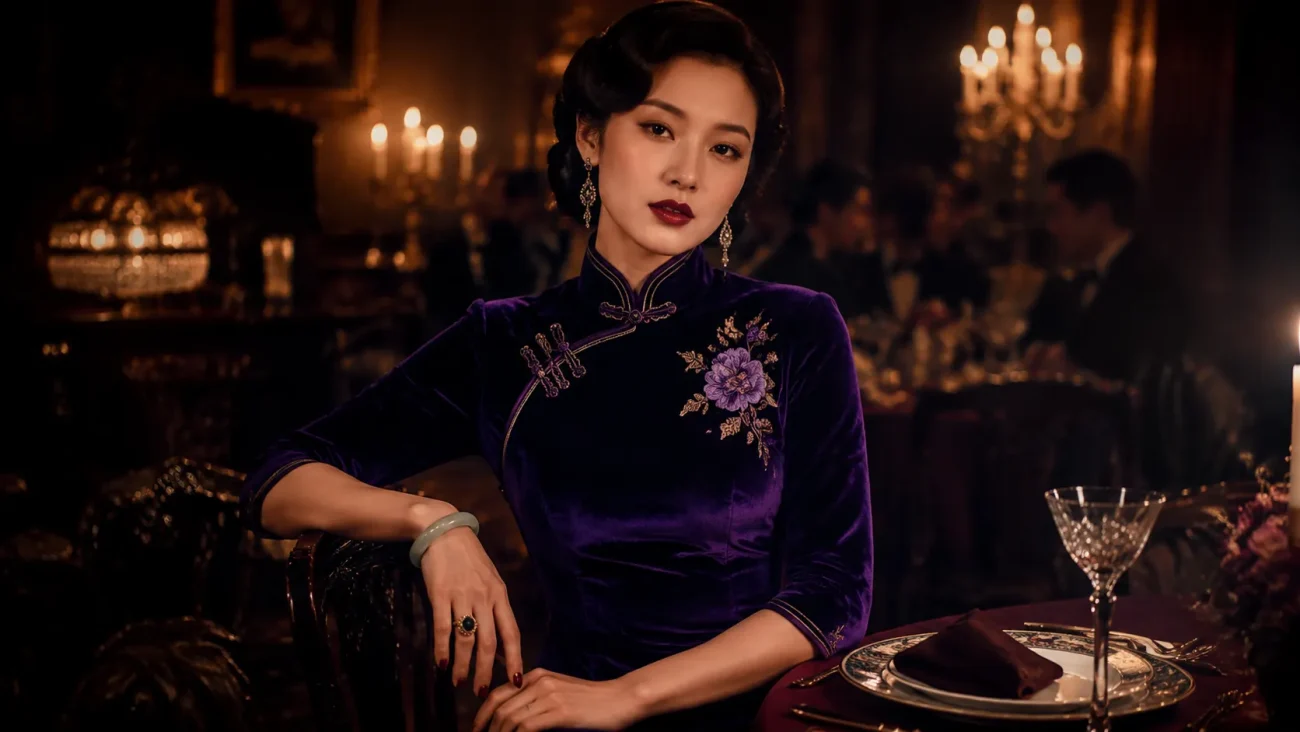
Purple Qipao Meaning: Wisdom, Spirituality, and Noble Status
Whether in the East or the West, purple was historically an extremely expensive and difficult dye to extract, so it is naturally associated with nobility and luxury. In Chinese culture, purple energy coming from the east is a famous idiom symbolizing auspiciousness and the arrival of sages. A purple qipao represents profound wisdom and irreplaceable nobility.
Wearing Advice: Purple is quite demanding but extremely striking. Deep purple is suitable for high profile evening banquets, highlighting a woman’s mature and mysterious charm. Light purple, like lavender, is much softer and fits semi formal daytime gatherings.
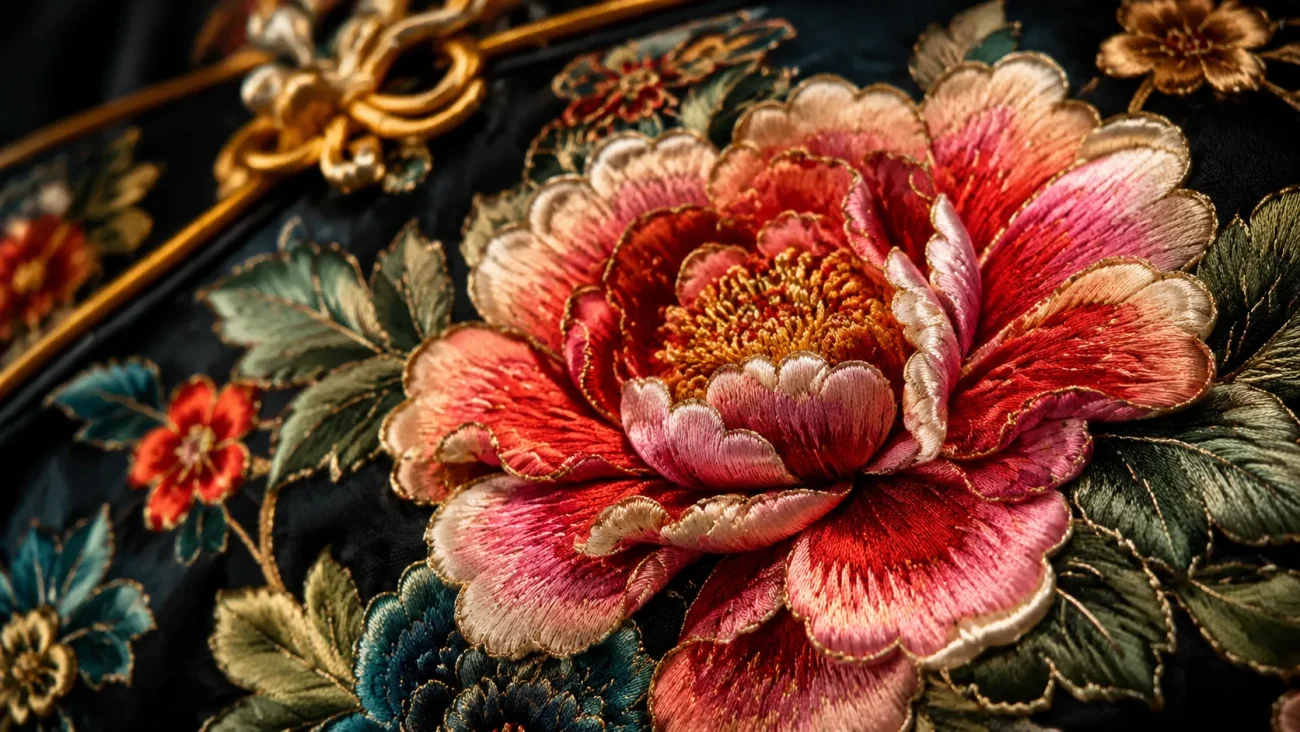
Embroidered and Multicolored Qipao Meaning: Rich Cultural Symbolism
Many high end qipaos are not limited to a single color but blend multiple colors through exquisite embroidery or prints. Multicolored qipaos usually carry specific auspicious patterns. For example, a dragon and phoenix on a red background with gold threads represents a happy marriage. Pink and white peonies represent wealth and prosperity. Plum blossoms in pink on a green background represent resilience.
Wearing Advice: Multicolored qipaos with intricate hand embroidery are not just garments; they are works of art. They are best suited for the most important ceremonies in life, such as the main wedding ceremony, significant cultural anniversaries, or even to be treasured as family heirlooms.
Frequently Asked Questions
Q: Can non Chinese individuals wear a red qipao to an event?
A: Absolutely. Wearing a qipao is a form of cultural appreciation. Red represents good luck and blessings, so it is highly welcomed and appropriate for non Chinese individuals to wear a red qipao to Chinese festival gatherings or traditional weddings they are invited to.
Q: Is it considered unlucky to wear a white qipao?
A: In ancient China, white was indeed associated with mourning. However, in modern fashion, this concept has completely changed. The modern white qipao symbolizes purity and minimalism and is very popular. As long as you are not attending a birthday banquet for extremely traditional and conservative elders, wearing a white qipao for daily activities or weddings is perfectly fine.
Q: What is the best color qipao to wear for the Lunar New Year?
A: Without a doubt, red and gold. Red can ward off evil, according to the legend of the Nian monster, and bring good luck for the new year. Gold symbolizes wealth and prosperity for the year ahead. Deep burgundy or bright orange are also very festive alternative choices.
Q: What does the gold thread dragon and phoenix pattern on a qipao represent?
A: The dragon represents masculine energy and strength, while the phoenix represents feminine softness and nobility. A dragon and phoenix together, usually embroidered with gold thread on a red qipao, symbolize the harmony of yin and yang and a happy marriage. It is the most classic pattern for bridal wear in traditional Chinese weddings.
Related Posts
Qipao History | Chinese Cheongsam Dress History
Qipao vs Kimono vs Hanbok | What is the Difference?

Related posts
Qipao Pronunciation | How to Pronounce Cheongsam and Qipao
When discussing traditional Chinese clothing in English, Qipao and Cheongsam are the two most freque...
What Do the Colors of a Qipao Represent?
The qipao, also known as the cheongsam, is one of the most recognizable traditional garments in the ...
Can Non Chinese Wear Qipao? Can Foreigners Wear Qipao
Qipao, also written as qipao or cheongsam, is one of the most recognizable traditional garments in C...
Can Anyone Wear Qipao? Can White People Wear Cheongsam?
Qipao, also commonly written as qipao or cheongsam, is one of the most recognizable Chinese garments...
How to Clean and Maintain Qipao / Cheongsam
Buying a qipao you love is only the first step. The real challenge is keeping its drape and sheen in...
Qipao History | Chinese Cheongsam Dress History
The qipao, also known as the cheongsam, is one of the traditional garments that best represents the ...
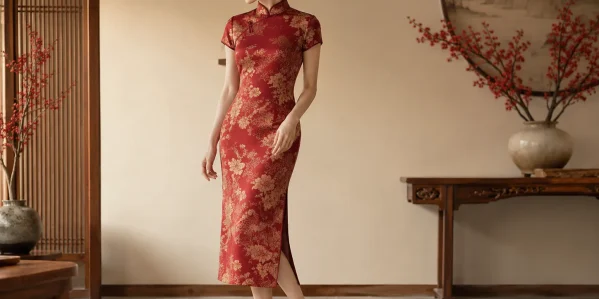
What Shoes to Wear With a Qipao | Cheongsam Shoes Matching Guide
Qipao, also known as Cheongsam, originated in the 1920s and 1930s and is one of the most iconic form...
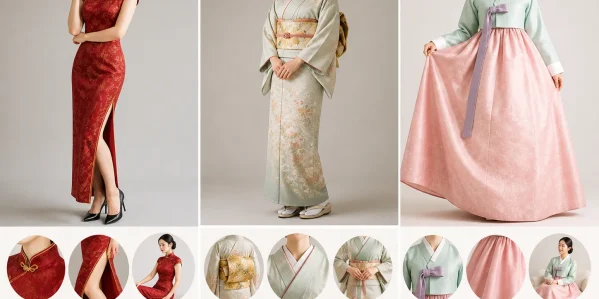
Qipao vs Kimono vs Hanbok | What is the Difference?
Qipao, kimono, and hanbok represent the traditional clothing cultures of China, Japan, and Korea, re...
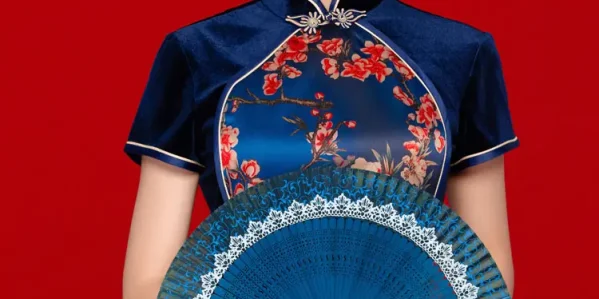
Kimono vs Qipao / Cheongsam | What is the Difference?
Kimono and qipao are both highly recognizable Eastern garments, but they come from different cultura...
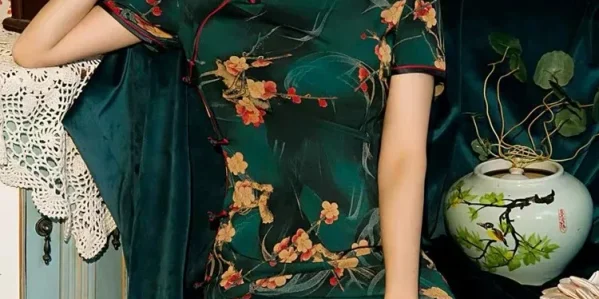
Modern Qipao vs Traditional Qipao | What is the Difference?
Modern qipao and traditional qipao both come from Eastern fashion aesthetics, but they are not the s...
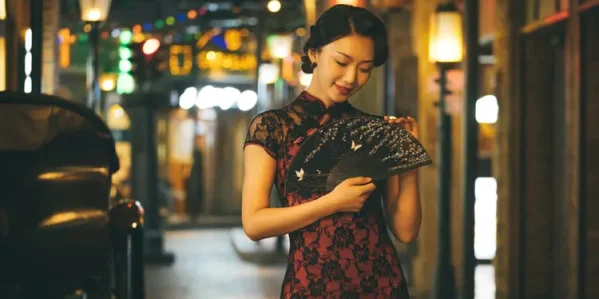
Hanfu vs Qipao / Cheongsam
Hanfu and Qipao/Cheongsam are the most representative classic Chinese garments, each boasting distin...
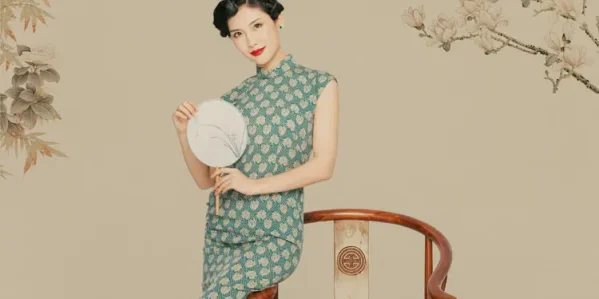
Qipao vs Cheongsam
If you are familiar with Chinese traditional clothing, you must be familiar with the two terms Cheon...
Bestselling Qipao


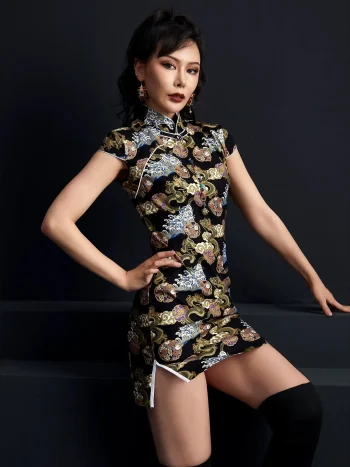
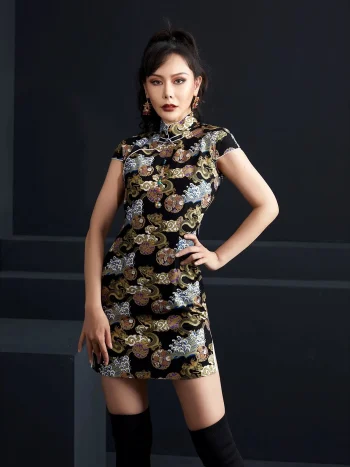
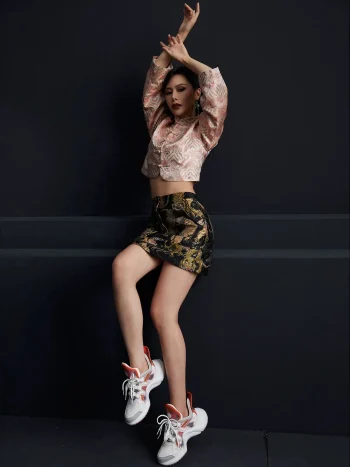
Black and Gold Dragon Embroidery Short Cheongsam Dress
Price range: $112.00 through $119.00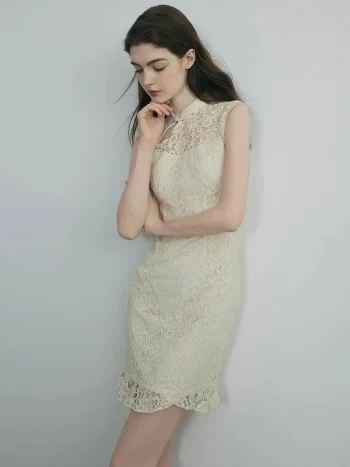
Modern Red Silk Qipao Set
Price range: $137.00 through $152.00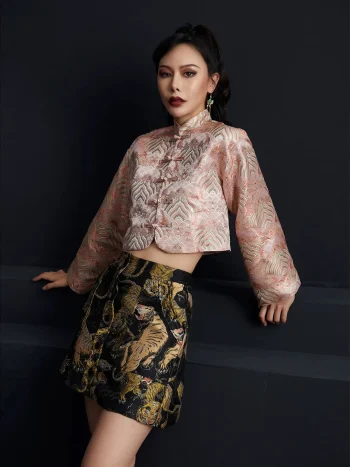
Recent Comments