Free Worldwide Shipping | Subscribe to Our Newsletter for 10% Off Your First Order

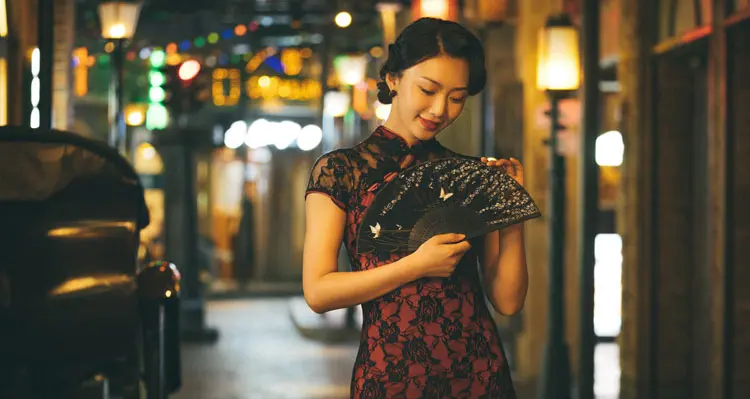

Hanfu and Qipao/Cheongsam are the most representative classic Chinese garments, each boasting distinct design styles and historical cultures. Many beginners lack a clear understanding of their historical origins, structural systems, and applicable scenarios. This article provides a comprehensive overview of their core information and differences, helping readers quickly gain insight into these two iconic attires.
What is Hanfu?
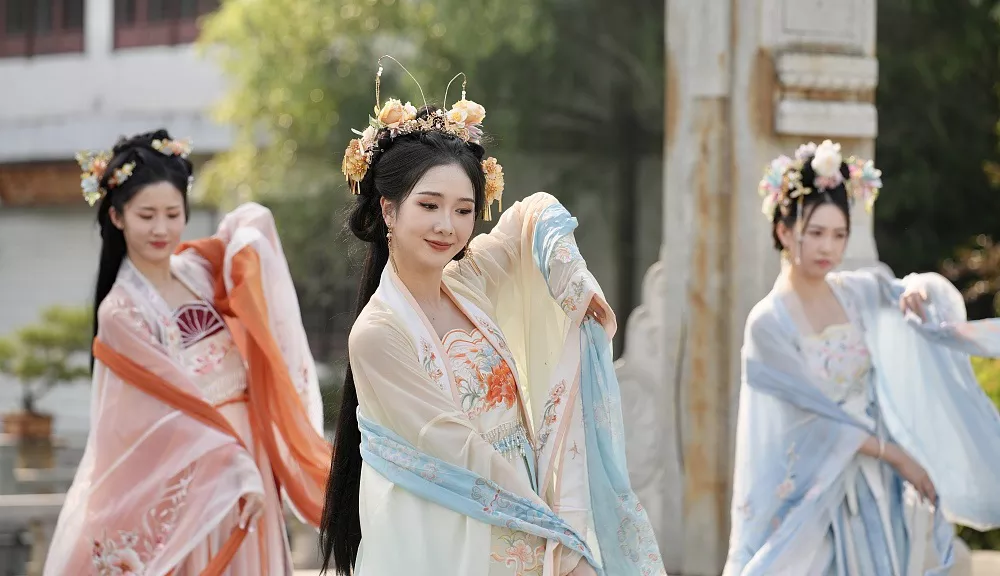
Hanfu, whose full name is “Traditional Clothing of the Han Ethnic Group,” is a traditional garment with a history of over 3,000 years passed down by the Han people. It is not the ancient-style costumes adapted from film and television works. Hanfu features a complete and rigorous structural standard, with core characteristics including cross-collar with right overlap, wide robes and large sleeves, and hidden buttons secured by ribbons. It is a classic garment that carries China’s etiquette culture and traditional aesthetic values.
The History of Hanfu
The development of Hanfu follows a clear timeline with verifiable evolution of its structural norms, and can be divided into four core stages.
Origin and Finalization Period (1600 BC to 220 AD, Shang Dynasty to Han Dynasty)
The earliest separate structure of upper garment and lower skirt emerged in the Shang Dynasty. The Zhou Dynasty established the core criterion of cross collar with right overlap, the defining feature of Hanfu. During the Qin and Han dynasties, the two foundational styles, Quju curved hem robe and Zhiju straight hem robe, were officially finalized. These styles became universal attire for both official and civilian use, completing the basic unification of Hanfu’s structural system.
Prosperity and Development Period (618 AD to 1644 AD, Tang Dynasty to Ming Dynasty)
In the Tang Dynasty (618 to 907), chest high Ruqun became the dominant mainstream style. In the Song Dynasty (960 to 1279), the minimalist Beizi jacket and waist length Ruqun gained wide popularity, striking a balance between ceremonial formality and daily wearability. The Ming Dynasty (1368 to 1644) represented the culmination of Hanfu’s structural development. The systems of Aoqun jacket and skirt and horse face skirt reached full maturity, with full standardization achieved in both craftsmanship and pattern design.
Dormancy Period (1644 AD to 2003 AD)
After the establishment of the Qing Dynasty, Hanfu gradually faded out of daily dress. Only a small number of its forms were preserved in traditional sacrificial rituals and opera performances.
Contemporary Revival Period (2003 AD to Present)
With the resurgence of traditional Chinese culture, Hanfu has returned to the public eye. Its structural norms have been gradually unified, and it has developed into a mainstream clothing category worn in daily commuting, traditional festivals and cultural events.
What are the Styles of Hanfu?
Hanfu has a vast structural system, with dozens of mainstream styles categorized by dynasties and wearing scenarios. Among them, the four most representative and widely popular core styles are as follows:
1.Waist-Length Ruqun: The most versatile entry-level style for beginners, consisting of a short upper garment and a skirt that reaches the waist. It comes in two styles: cross-collar and front-opening. It is suitable for all body types, easy to match, and available in both men’s and women’s versions. It can be worn for daily activities, traditional festivals, and gatherings with friends.
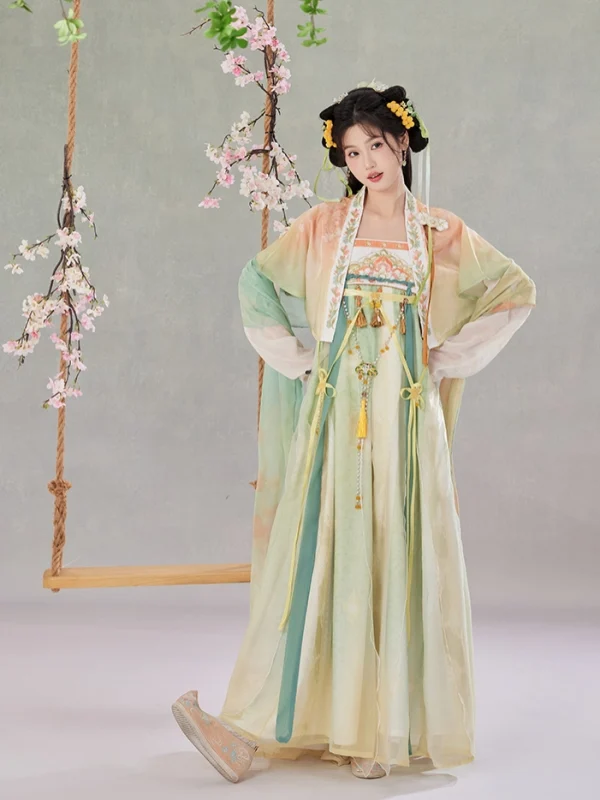
2.Chest-High Ruqun: A iconic style of the Tang Dynasty, with the skirt waist tied above the chest. It optimizes body proportions, making the wearer appear taller and slimmer, and exudes an elegant and agile style. It is a popular choice for cultural events, photography shoots, and festive celebrations.
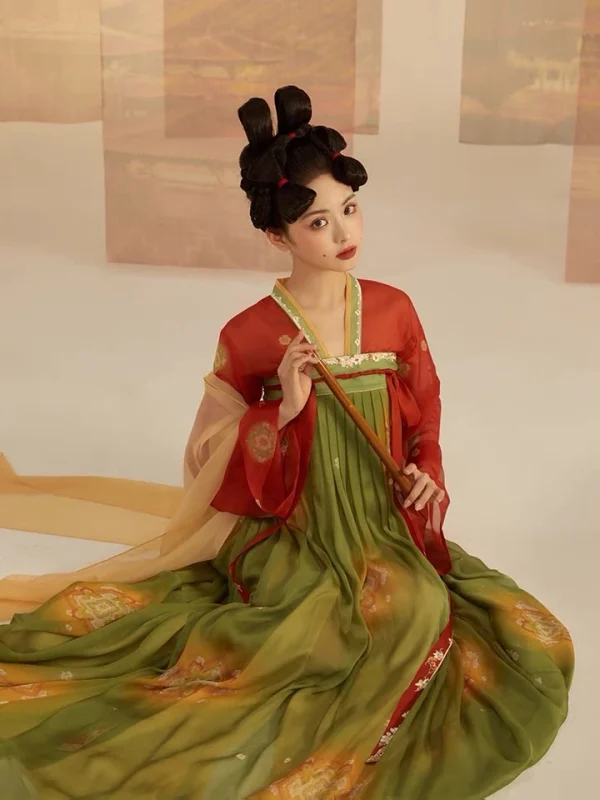
3.Ming Dynasty Aoqun with Horse-Face Skirt: A classic style from the Ming Dynasty and currently the most popular Hanfu style. The upper garment is a short jacket with a standing collar or cross-collar, and the lower garment is a horse-face skirt with neat pleats. It has a dignified and magnificent shape with exquisite craftsmanship, suitable for daily commuting, formal etiquette occasions, and Chinese-style weddings.
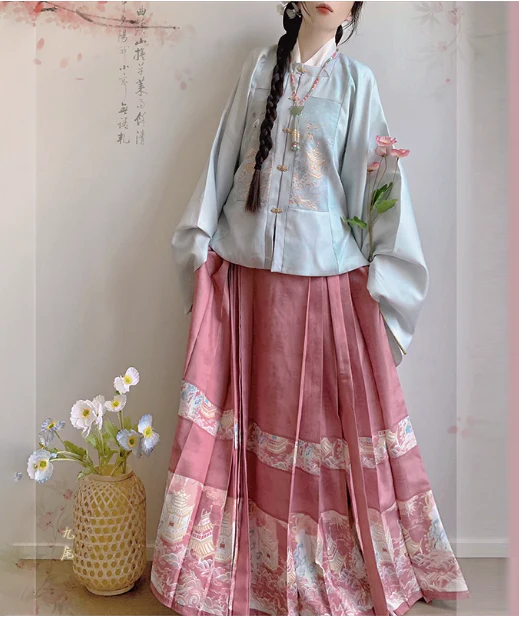
4.Quju: A traditional formal style from the Qin and Han dynasties, with the garment body wrapping around the body in a spiral pattern. It follows strict structural standards and is only used for solemn occasions such as traditional sacrificial ceremonies and etiquette celebrations, making it unsuitable for daily wear.
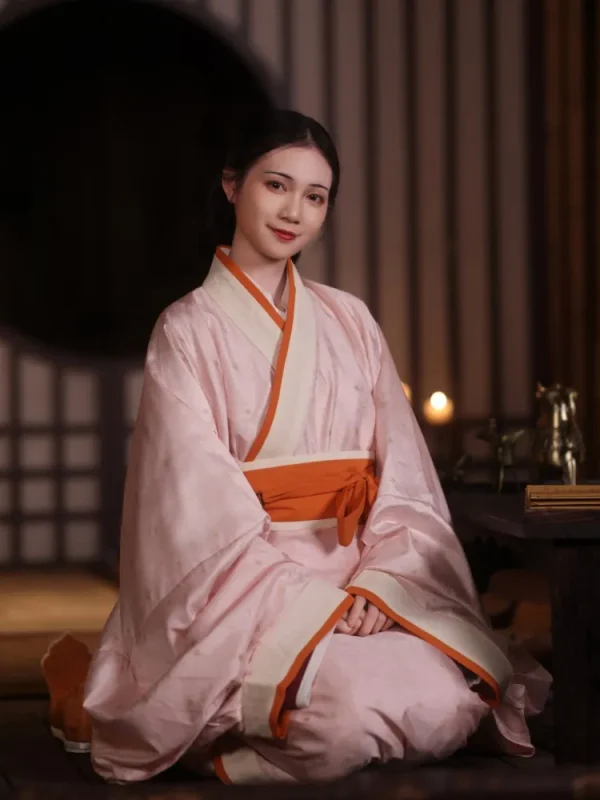
What is Qipao/Cheongsam?
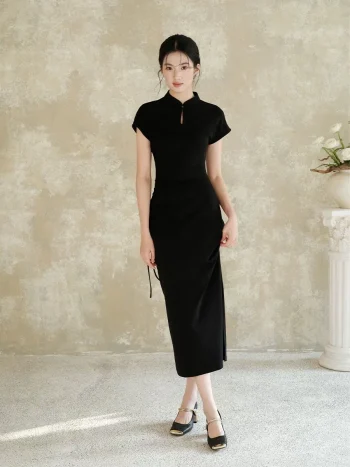
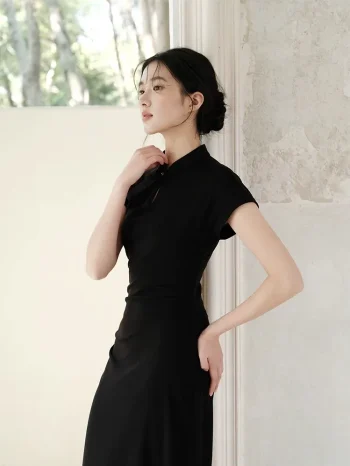
Qipao/Cheongsam is a classic women’s fashion garment that originated in China in the 1920s. It is globally recognized as an iconic symbol of Oriental aesthetics and the only Oriental garment included in the list of global classic fashion of the 20th century. Its core identifying features include a high standing collar, diagonal placket with frog buttons, side slits, and an integrated robe structure. It is a classic garment that combines traditional Chinese craftsmanship with Western fashion tailoring.
The History of Qipao/Cheongsam
The development of Qipao/Cheongsam is closely tied to the changes of the times, with clear timelines and verifiable craftsmanship evolution. Its development can be mainly divided into three stages:
1.Birth and Golden Age (1920s – 1949): Originating in Shanghai and Beijing in the 1920s, Qipao emerged alongside the rise of women’s independence movements. It broke the shackles of traditional garments that divided clothing by status and hierarchy, becoming the first fashion garment in Chinese clothing history centered on women’s personal aesthetics and bodily autonomy.
In the 1930s and 1940s, it integrated the tailoring concepts of Parisian haute couture, forming the classic slim-fit style and becoming the mainstream clothing for women in both daily and formal occasions at that time.
2.Craftsmanship Peak (1950s – 1970s): Starting from the 1950s, thousands of top tailors from Shanghai moved to Hong Kong, deeply integrating the traditional flat-cutting techniques of the Shanghai style with European haute couture 3D tailoring. They created a sophisticated production system that required collecting 36 body measurements. Hong Kong became the core inheritance center of global Qipao craftsmanship, and this set of manual techniques was later included in the list of intangible cultural heritage.
3.Global Popularity Period (1980s – Present): With the global spread of Chinese-language culture, Qipao has gradually appeared on international runways and red carpets, becoming a well-known Oriental garment worldwide. Meanwhile, improved Qipao styles have broken the limitations of wearing scenarios, adapting to daily outfits and becoming a classic fashion garment that women around the world can wear.
What are the Styles of Qipao/Cheongsam?
After a century of development and improvement, Qipao has formed a complete style system covering different body types and scenarios. The core mainstream styles are divided into four categories:
1.Traditional Flat-Cut Qipao with Connected Sleeves: This style fully inherits the classic customization craftsmanship of the Republic of China and Hong Kong. It adopts an overall flat cutting method without separate sleeve panels or waist darts. It relies on the natural drape of the fabric to form smooth lines, offering high tolerance for different body types. With a retro and elegant style, it is suitable for cultural events, formal dinners, and collection purposes.
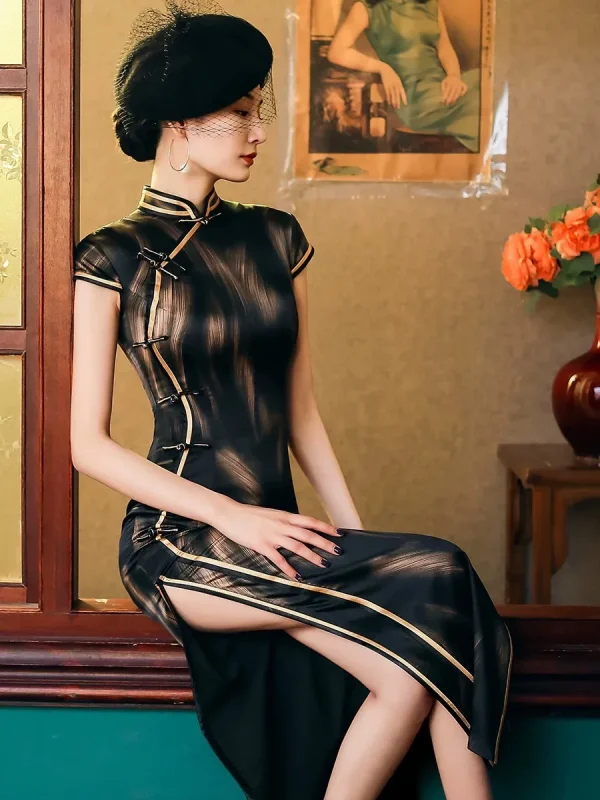
2.Slim-Fit Waist-Contoured Qipao: Currently the most mainstream formal style on the market, it adopts Western 3D tailoring to fit the body curves accurately, maximizing the optimization of body proportions. With an elegant and magnificent style, it is the first choice for formal occasions such as dinners, weddings, and red carpets, and also the best alternative to Western-style formal dresses.
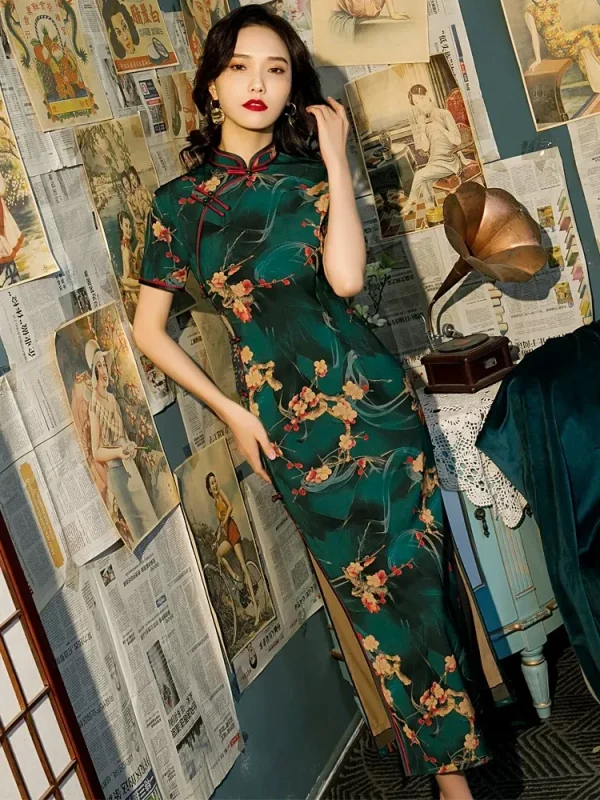
3.A-Line Improved Qipao: An entry-level style designed specifically for daily wear. It fits the waist and flares out in an A-shape at the hem, without tightening the hips and thighs. It is particularly friendly to pear-shaped and apple-shaped body types. Most styles fall around the knee with a simple design, suitable for informal scenarios such as daily commuting and friend gatherings, making it the first choice for beginners.
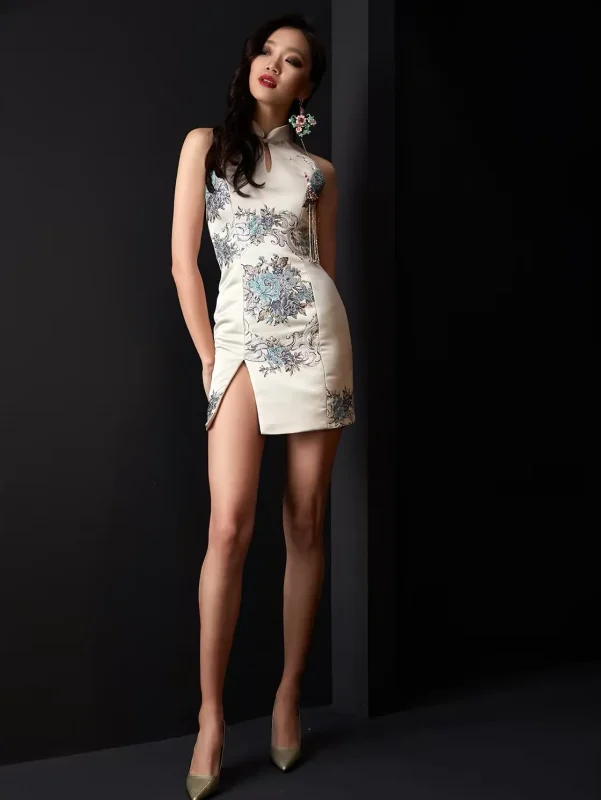
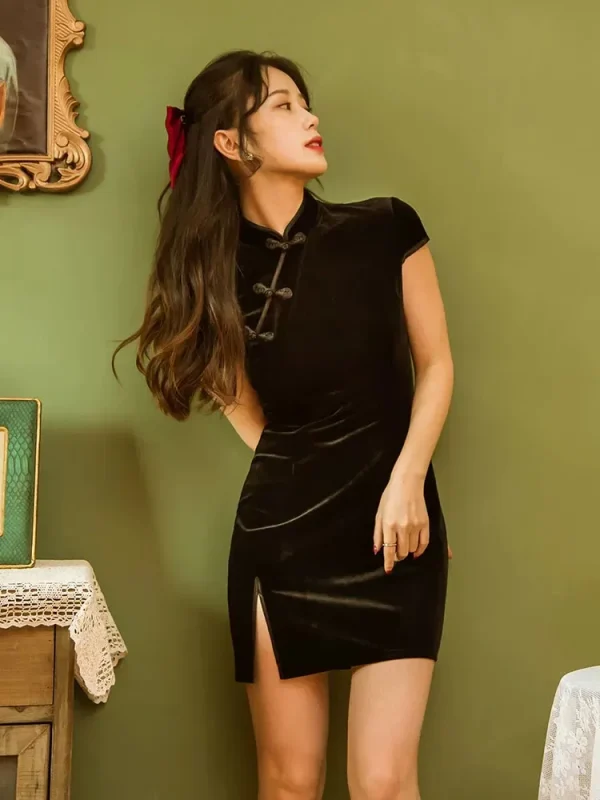
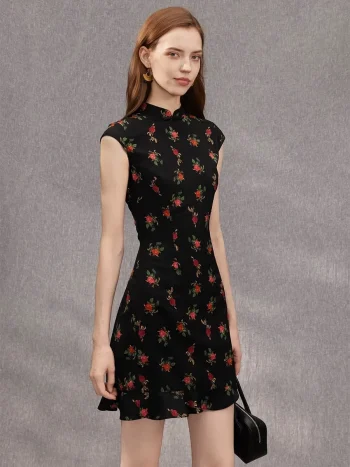
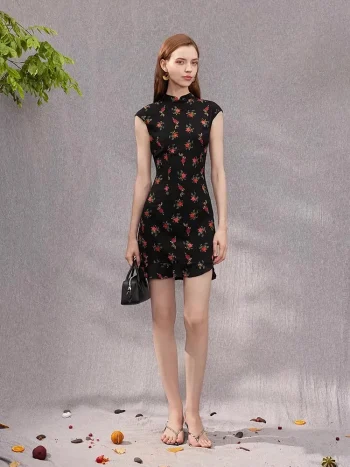
4.Short-Style Daily Improved Qipao: With a length above the knee, it retains only the core elements of a standing collar, frog buttons, and diagonal placket, while integrating modern fashion design concepts. It weakens the formality of traditional Qipao, making it suitable for daily outings, theme parties, and short trips. It is deeply loved by young people.
Core Differences Between Hanfu and Qipao/Cheongsam
| Comparison Dimension | Hanfu | Qipao/Cheongsam |
|---|---|---|
| Origin Time | With a history of over 3,000 years, originating in the Shang Dynasty and continuously improved through multiple dynasties | Formally finalized in the 1920s, with a development history of nearly 100 years |
| Core Positioning | A system of traditional ethnic garments inherited by the Han people for thousands of years | A modern classic women's fashion garment integrating Chinese and Western craftsmanship |
| Core Identifying Features | Cross-collar with right overlap, ribbon-fastened, mainly wide sleeves, and mostly separate-piece design | High standing collar, diagonal placket with frog buttons, side slits, and integrated robe structure |
| Version Characteristics | Mainly loose-fitting versions that do not deliberately highlight body curves | Versatile versions covering loose flat-cut, slim-fit waist-contoured, and A-line improved styles |
| Core Applicable Scenarios | Traditional festivals, cultural events, etiquette occasions, and daily commuting | Suitable for all scenarios including daily commuting, wedding dinners, red carpet events, and cultural celebrations |
| Cultural Core | Carries the etiquette culture and ethnic traditional aesthetics of China spanning thousands of years | Symbolizes the spirit of modern women's independence and is a fashion symbol of the integration of Chinese and Western cultures |
Frequently Asked Questions About Hanfu and Qipao/Cheongsam
Q: Which one is more suitable for beginners, Hanfu or Qipao?
A: For beginners, improved Qipao, Ming Dynasty waist-length Ruqun, or short jacket with horse-face skirt are more recommended. Improved Qipao is suitable for most scenarios; Ming Dynasty Hanfu is loose-fitting, has high tolerance for different body types, is easy to match, and can be easily worn without complex makeup and hairstyling, offering a higher margin of error.
Q: Can people of non-Han ethnic groups wear Hanfu or Qipao?
A: Of course. Qipao itself is a global classic fashion garment with no ethnic restrictions on wearing, so everyone can wear it with confidence. As a carrier of traditional Chinese culture, Hanfu can be worn by people of any ethnic group as long as they hold basic respect for the culture and do not maliciously modify or vulgarize it.
Q: Are there any etiquette rules to follow when wearing Hanfu or Qipao in daily life?
A: There are no strict etiquette constraints for daily wear of Hanfu or Qipao; the key is to show respect for the culture. Additionally, it is important to wear them appropriately and avoid overly vulgar or revealing modifications.

Related posts
Can Non Chinese Wear Qipao? Can Foreigners Wear Qipao
Qipao, also written as qipao or cheongsam, is one of the most recognizable traditional garments in C...
Can Anyone Wear Qipao? Can White People Wear Cheongsam?
Qipao, also commonly written as qipao or cheongsam, is one of the most recognizable Chinese garments...
How to Clean and Maintain Qipao / Cheongsam
Buying a qipao you love is only the first step. The real challenge is keeping its drape and sheen in...
Qipao History | Chinese Cheongsam Dress History
The qipao, also known as the cheongsam, is one of the traditional garments that best represents the ...
What Shoes to Wear With a Qipao | Cheongsam Shoes Matching Guide
Qipao, also known as Cheongsam, originated in the 1920s and 1930s and is one of the most iconic form...
Qipao vs Kimono vs Hanbok | What is the Difference?
Qipao, kimono, and hanbok represent the traditional clothing cultures of China, Japan, and Korea, re...
Kimono vs Qipao / Cheongsam | What is the Difference?
Kimono and qipao are both highly recognizable Eastern garments, but they come from different cultura...
Modern Qipao vs Traditional Qipao | What is the Difference?
Modern qipao and traditional qipao both come from Eastern fashion aesthetics, but they are not the s...
Hanfu vs Qipao / Cheongsam
Hanfu and Qipao/Cheongsam are the most representative classic Chinese garments, each boasting distin...
Qipao vs Cheongsam
If you are familiar with Chinese traditional clothing, you must be familiar with the two terms Cheon...
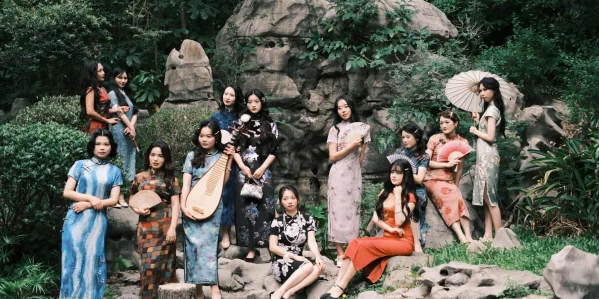
Qun Kwa vs Qipao (Cheongsam) What Are the Differences
Qun Kwa and Qipao also known as Cheongsam are two iconic classic garments. They are also the most co...
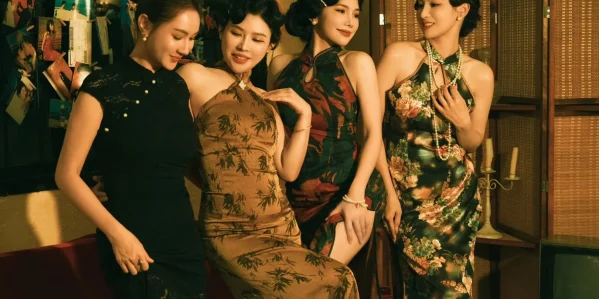
What is Cheongsam? About qipao dress
The history of the cheongsam dates back nearly a century to China in the 1920s the early days of the...
Bestselling Qipao


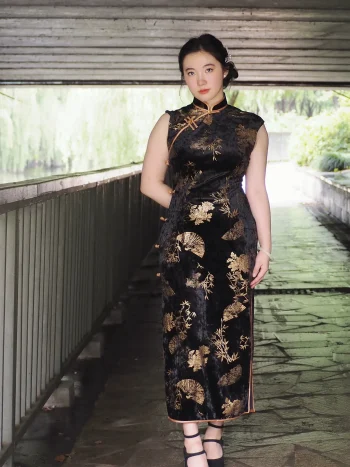
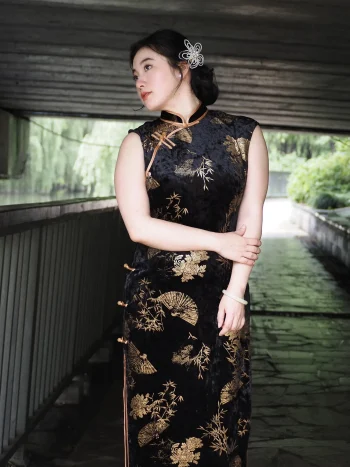
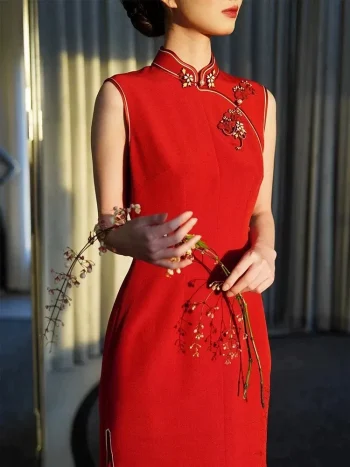
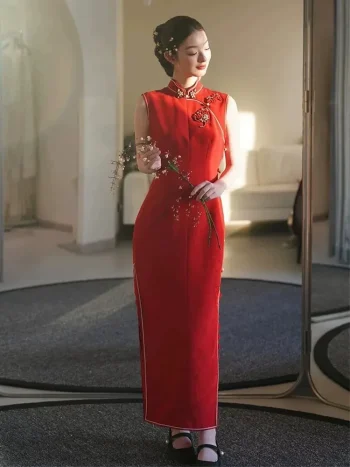
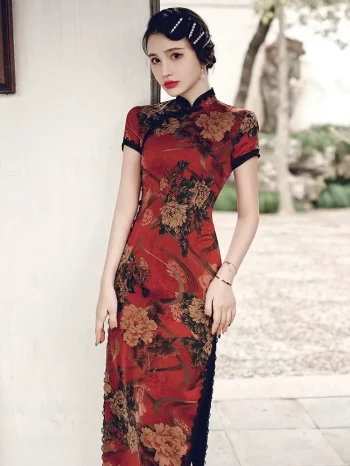
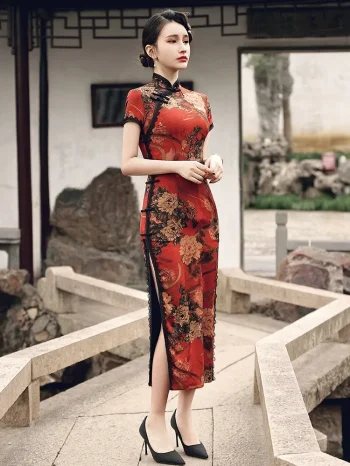
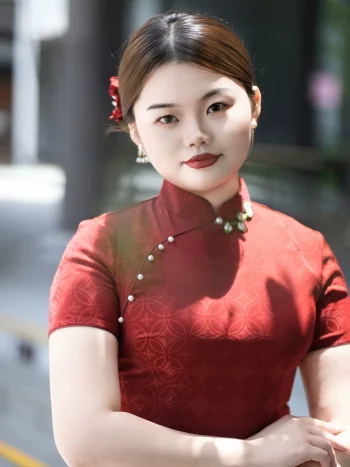
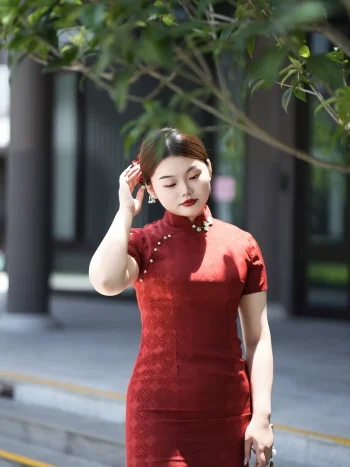
Plus Size Red Long Cheongsam
$134.00
Recent Comments