Free Worldwide Shipping | Subscribe to Our Newsletter for 10% Off Your First Order

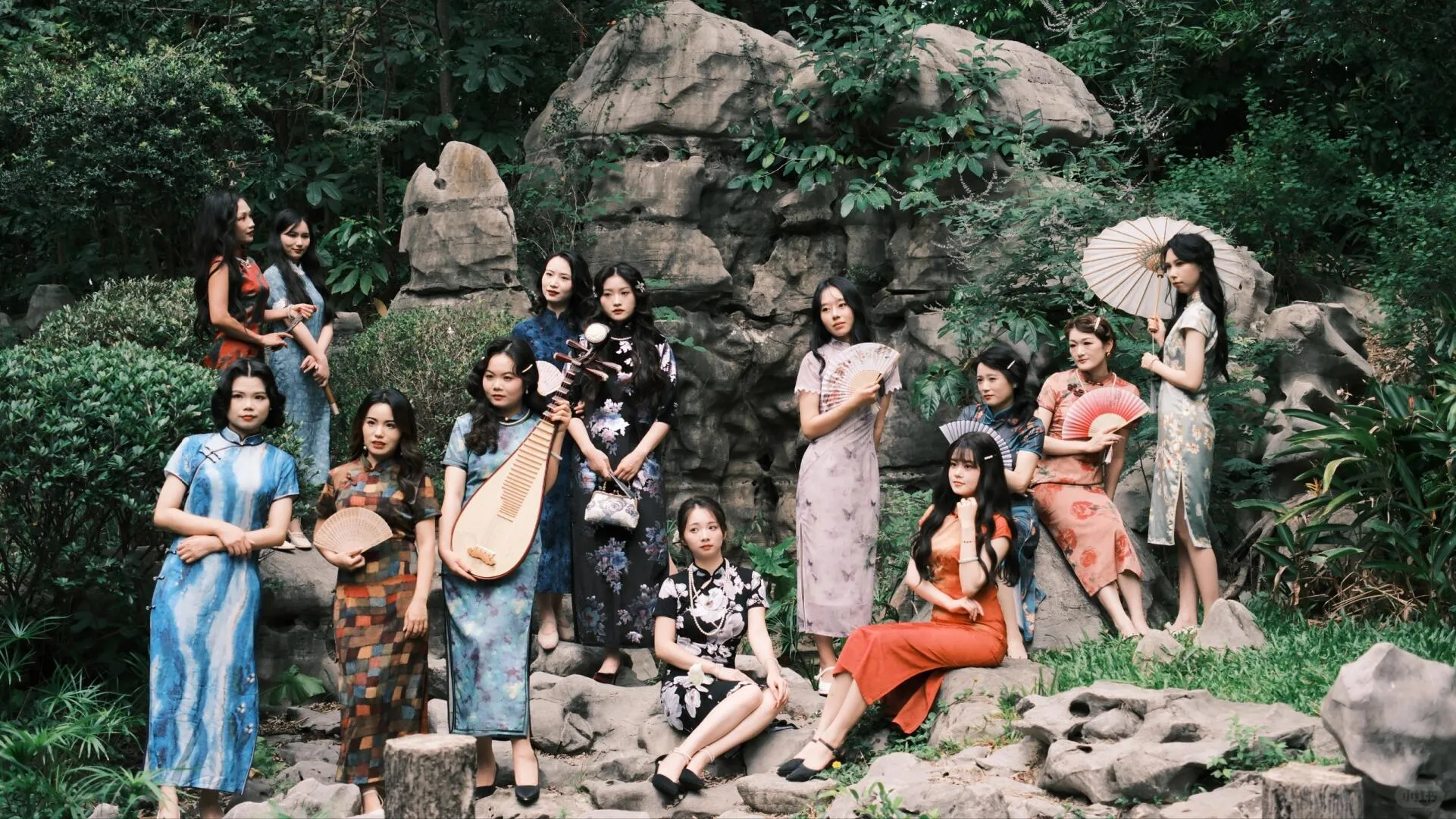

Qun Kwa and Qipao also known as Cheongsam are two iconic classic garments. They are also the most commonly worn outfits at overseas Chinese weddings and Asian cultural events.
Many people new to Chinese style clothing often confuse their positioning, usage scenarios and dress etiquette. Whether you are planning a Chinese wedding and looking for the perfect ceremonial outfit, or wanting to learn about the culture behind Chinese traditional garments, this guide will explain the core definitions, fundamental differences and key shopping tips for Qun Kwa and Qipao Cheongsam.
What is Qun Kwa
Qun Kwa, translated to skirt and jacket in Chinese and also commonly called Dragon and Phoenix Gown, is an exclusive traditional Chinese bridal wedding garment with over 600 years of history originating from the Lingnan region of China. It is the core ceremonial outfit for Chinese weddings in Guangdong and Hong Kong regions, and its handcrafting techniques have been listed in the intangible cultural heritage of Hong Kong.
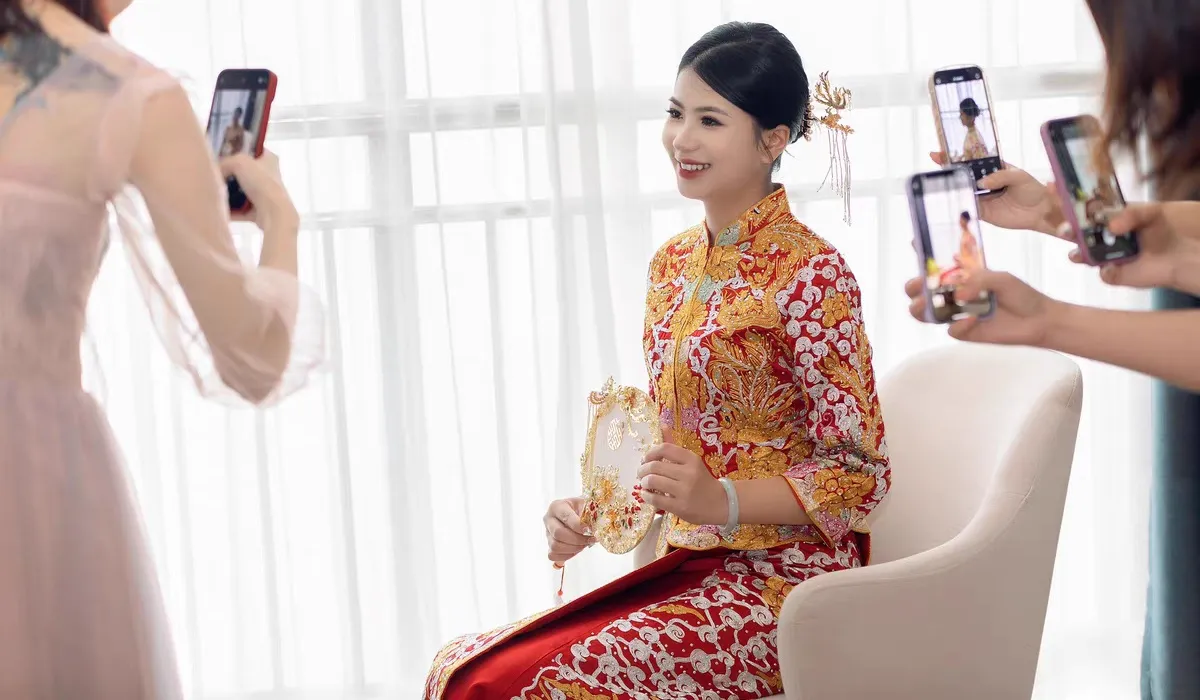
Core Structure and Design Features
Qun Kwa comes in a fixed two piece set. The top is a short jacket with a mandarin collar and front opening, known as Gua, and the bottom is a floor length loose long skirt, known as Qun. It has a relaxed and well fitted silhouette that does not intentionally accentuate body curves. Authentic traditional styles use hand embroidery with gold and silver threads, with patterns mainly featuring auspicious motifs such as dragons, phoenixes, peonies and auspicious clouds. It is divided into 5 grades by embroidery density: Xiao Wu Fu, Zhong Wu Fu, Da Wu Fu, Gua Hou and Gua Huang.
Cultural Meaning and Usage Scenarios
The core cultural essence of Qun Kwa is marriage blessing and well wishes. Every pattern carries sincere hopes for the couple to have a long and happy marriage, prosperity and completeness. It has an extremely exclusive attribute for usage scenarios. Since its creation, it has been designated as the exclusive ceremonial gown for brides in Chinese weddings, mainly used for wedding door game ceremonies, tea ceremonies and other Chinese wedding ritual segments.
What is Qipao / Cheongsam
Qipao, also widely referred to as Cheongsam in Cantonese speaking regions, Europe and North America, is a classic womens garment originating from the Republic of China era in China during the 1920s. It is a globally recognized iconic garment of Oriental aesthetics, and the only Oriental garment included in the 20th century global classic fashion catalog.
Core Identifying Features
No matter how the style is modified, authentic Qipao has four fixed core features: a high mandarin collar that fits closely around the neck, a right overlapping diagonal placket structure, frog buttons arranged along the diagonal placket, and functional side slits. It has a one piece robe structure with flexible and diverse silhouettes, ranging from relaxed flat cut styles to slim fit styles and daily modified designs, suitable for all body types and aesthetic preferences.
Development and Usage Scenarios
Qipao emerged in the 1920s alongside the wave of ideological liberation and growing awareness of female independence in the Republic of China era. It broke the feudal rules of the traditional Chinese clothing system, which dictated dress codes based on identity, social class and ethnicity. It became the first womens fashion in the history of Chinese clothing designed entirely around the core logic of womens individual aesthetic expression and bodily autonomy.
Starting in the 1950s, a large number of top tailors from mainland China moved south to Hong Kong. They deeply integrated the design and craftsmanship of traditional Chinese Qipao with European haute couture three dimensional tailoring, pushing the craftsmanship of Qipao to a new height.
Today, after a century of evolution, Qipao is no longer limited to the single scenario of traditional ceremonial wear. It has become a versatile fashion garment suitable for a wide range of scenarios, from daily wear and formal dinner parties, to wedding ceremonies and cultural events.
Key Differences Between Qun Kwa and Qipao Cheongsam
While both Qun Kwa and Qipao are classic Chinese style garments, they have fundamental and distinct differences in historical positioning, clothing structure, craftsmanship standards, usage scenarios and dress etiquette. We have organized these differences in the table below for your comparison.
| Comparison Category | Qun Kwa | Qipao Cheongsam |
|---|---|---|
| Core Positioning | Exclusive traditional Chinese bridal wedding garment | Classic womens fashion suitable for all scenarios |
| Garment Structure | Fixed two piece set, with a top jacket and bottom skirt | One piece robe structure |
| Core Craftsmanship | Hand embroidery with gold and silver threads, graded by embroidery density | Centered on flat cut or three dimensional tailoring, with hand stitched frog buttons as the signature craftsmanship |
| Silhouette Features | Relaxed and well fitted, does not intentionally accentuate body curves | Flexible silhouettes, including relaxed straight cuts, slim fit waist designs, A line modified styles and more |
| Usage Scenarios | Exclusively for Chinese wedding door game ceremonies, tea ceremonies and ritual segments | Suitable for all scenarios including daily commutes, dinner parties, red carpet events, weddings and cultural activities |
| Target Wearers | Exclusively for brides at Chinese weddings | No restrictions, suitable for all women |
| Cultural Essence | Focused on marriage blessings, carrying auspicious meanings for Chinese weddings | Combines the core of Oriental aesthetics, the spirit of female gender equality and diverse fashion expressions |
Qun Kwa & Qipao Cheongsam FAQs
Q:Can only brides wear Qun Kwa?
A:Yes. Qun Kwa is the exclusive ceremonial gown for brides at Chinese weddings, with strict traditional etiquette rules. Only the bride may wear Qun Kwa during the wedding. Bridesmaids, guests and other attendees are not suitable to wear Qun Kwa, as this would go against Chinese wedding etiquette and easily cause awkwardness at the event. Other wedding participants can choose Qipao as their outfit.
Q:Can I wear both Qun Kwa and Qipao at my wedding?
A:Absolutely. This is also the most popular combination for modern Chinese weddings. Typically, brides will wear Qun Kwa for the Chinese ritual segments such as the door game ceremony and tea ceremony, then change into a slim fit Qipao for the toast and dinner segments. This combination preserves the ceremonial feel of traditional wedding customs, while also allowing brides to show different styles through Qipao to meet the needs of different wedding segments.
Q:Can Qipao be used as the main wedding gown for a Chinese wedding?
A:Of course. Haute couture embroidered Qipao has long been a popular choice as the main wedding gown for Chinese weddings. Many brides choose a long slim fit embroidered Qipao as their main wedding dress or toast dress. It retains Chinese cultural elements while being more flexible than traditional Qun Kwa, and can adapt to wedding venues and processes of different styles. It is fully suitable to be used as the main wedding gown.
Q:Can people of non Chinese descent wear Qun Kwa or Qipao?
A:People of non Chinese descent can wear Qipao with confidence. As long as you have basic respect for the culture and do not modify it in a malicious or vulgar way, wearing Qipao is not cultural appropriation. It is inherently a global fashion garment. Qun Kwa, however, is an exclusive ceremonial gown for brides at Chinese weddings. Unless you are the bride at a Chinese wedding, it is not recommended to wear Qun Kwa casually, regardless of your ethnicity.
Q:What are the differences in size selection between Qun Kwa and Qipao?
A:Qun Kwa has a relaxed silhouette. For custom orders, you only need to provide your height, three measurements and shoulder width, with relatively loose requirements for size accuracy. Qipao, especially slim fit styles, has extremely high requirements for size accuracy. Custom made styles require dozens of body measurements, and for standard size styles, you should prioritize your waist measurement as the core reference when checking the size chart to avoid an ill fitting garment.

Related posts
Can Non Chinese Wear Qipao? Can Foreigners Wear Qipao
Qipao, also written as qipao or cheongsam, is one of the most recognizable traditional garments in C...
Can Anyone Wear Qipao? Can White People Wear Cheongsam?
Qipao, also commonly written as qipao or cheongsam, is one of the most recognizable Chinese garments...
How to Clean and Maintain Qipao / Cheongsam
Buying a qipao you love is only the first step. The real challenge is keeping its drape and sheen in...
Qipao History | Chinese Cheongsam Dress History
The qipao, also known as the cheongsam, is one of the traditional garments that best represents the ...
What Shoes to Wear With a Qipao | Cheongsam Shoes Matching Guide
Qipao, also known as Cheongsam, originated in the 1920s and 1930s and is one of the most iconic form...
Qipao vs Kimono vs Hanbok | What is the Difference?
Qipao, kimono, and hanbok represent the traditional clothing cultures of China, Japan, and Korea, re...
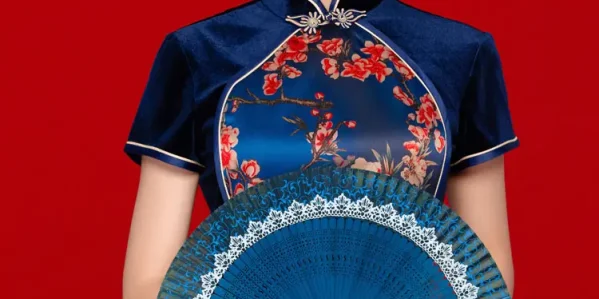
Kimono vs Qipao / Cheongsam | What is the Difference?
Kimono and qipao are both highly recognizable Eastern garments, but they come from different cultura...
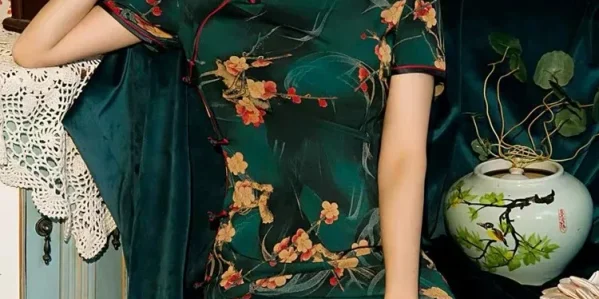
Modern Qipao vs Traditional Qipao | What is the Difference?
Modern qipao and traditional qipao both come from Eastern fashion aesthetics, but they are not the s...
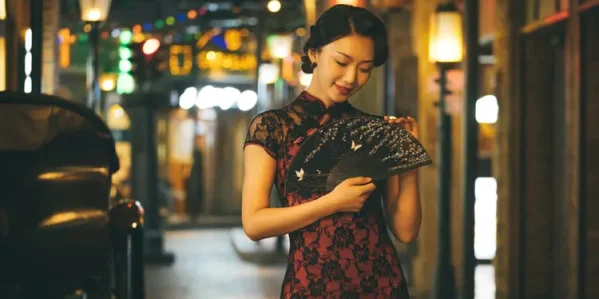
Hanfu vs Qipao / Cheongsam
Hanfu and Qipao/Cheongsam are the most representative classic Chinese garments, each boasting distin...
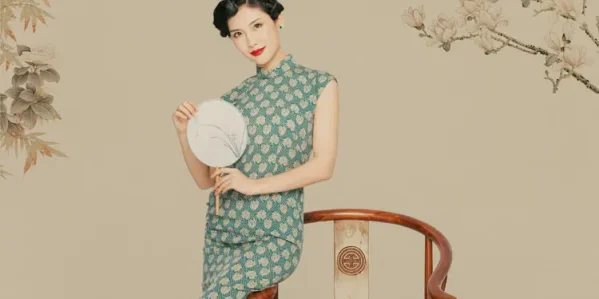
Qipao vs Cheongsam
If you are familiar with Chinese traditional clothing, you must be familiar with the two terms Cheon...
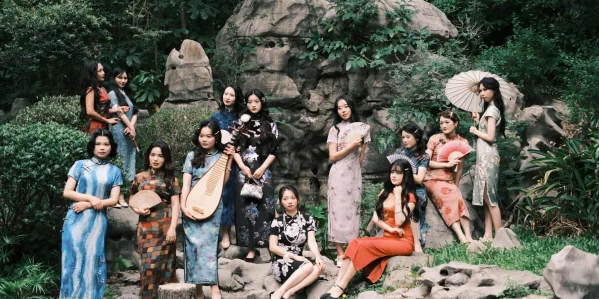
Qun Kwa vs Qipao (Cheongsam) What Are the Differences
Qun Kwa and Qipao also known as Cheongsam are two iconic classic garments. They are also the most co...
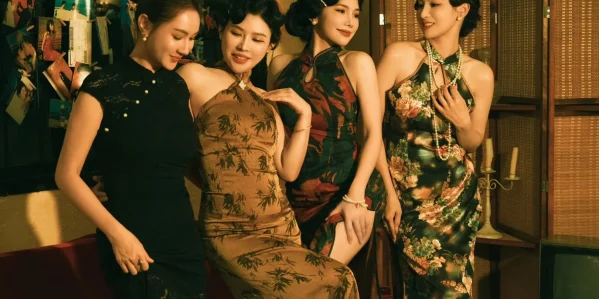
What is Cheongsam? About qipao dress
The history of the cheongsam dates back nearly a century to China in the 1920s the early days of the...
Bestselling Qipao


Modified Chinese Red And Gold 2 Piece Qipao Set
Price range: $118.00 through $133.00
Ink Black Tiger Jacquard High Waist A-Line Short Skirt
Price range: $87.00 through $97.00
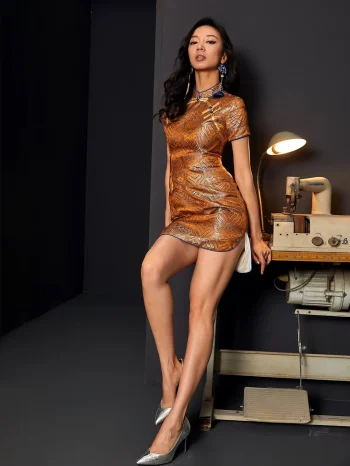
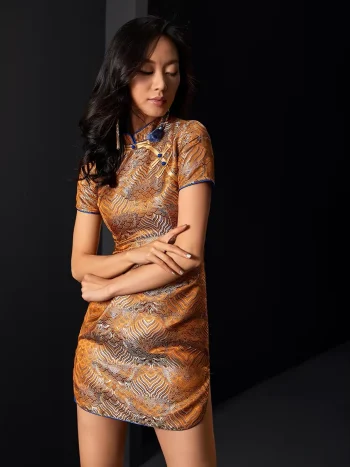
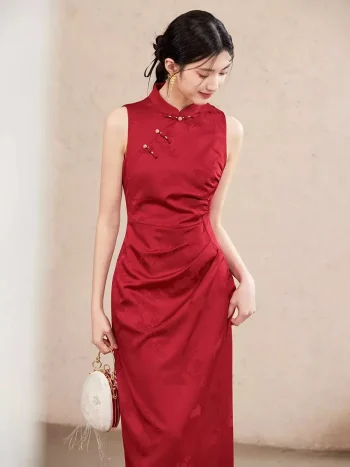
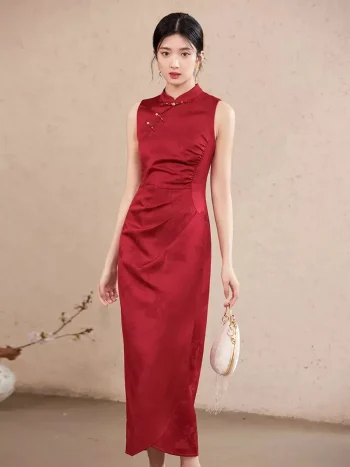
Long Slim Fit Red Cheongsam
$176.00
Recent Comments