Free Worldwide Shipping on Orders Over $159

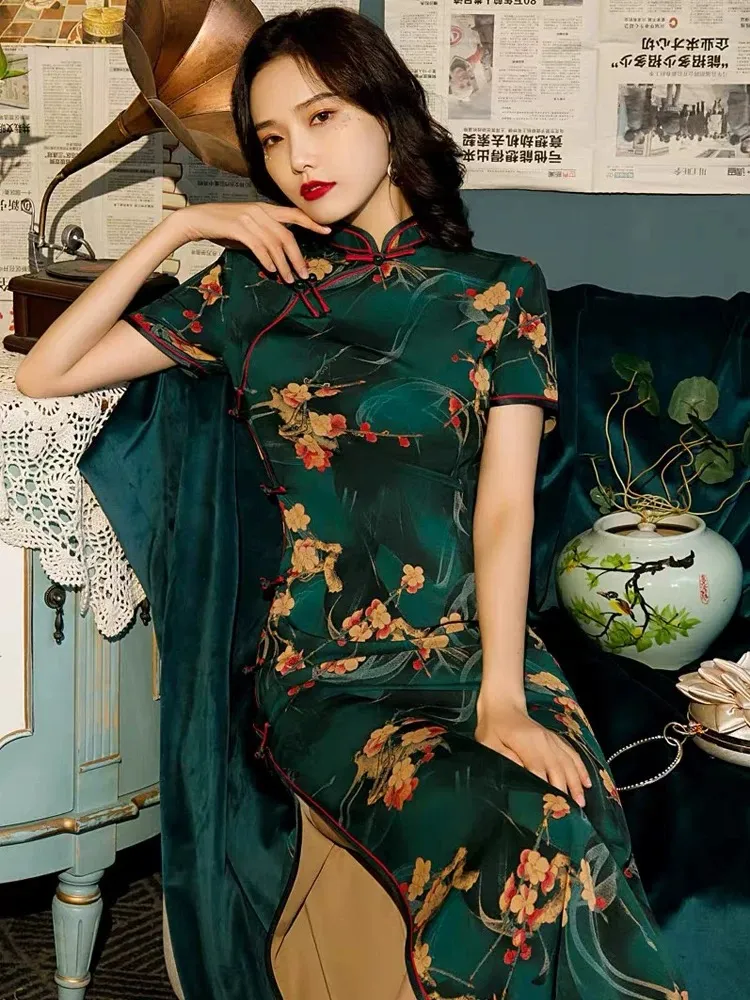

Modern qipao and traditional qipao both come from Eastern fashion aesthetics, but they are not the same style. As times have changed, qipao has evolved in silhouette, fabric, length, and the way it is worn. Over time, it has gradually developed into a more everyday friendly modern qipao and a more classic traditional qipao. When choosing a qipao, the most common question is not “Which one looks better?” but rather “Which one suits my body type, occasion, and personal style?”
If you are shopping for a wedding dress, attending a formal dinner, or simply looking for a qipao that works for photos, gatherings, or daily wear, this article will help you quickly understand the difference between modern qipao and traditional qipao, and show you how to choose the right one for different occasions.
Quick Overview of Traditional Qipao and Modern Qipao
What Is Traditional Qipao?
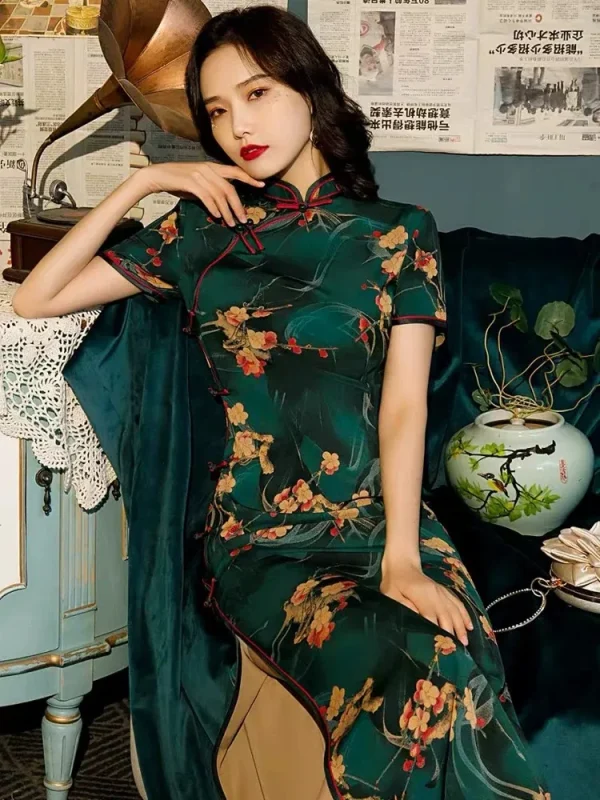
Traditional qipao usually refers to styles that are closer to classic Chinese aesthetics. It emphasizes subtle elegance, a fitted silhouette, refined lines, and a graceful overall look. Common features include a mandarin collar, frog closures, side slits, and tailoring that follows the natural curves of the body, along with more careful attention to fabric and craftsmanship. Traditional qipao often carries a stronger sense of formality, making it suitable for weddings, festivals, formal dinners, or cultural events.
What Is Modern Qipao?
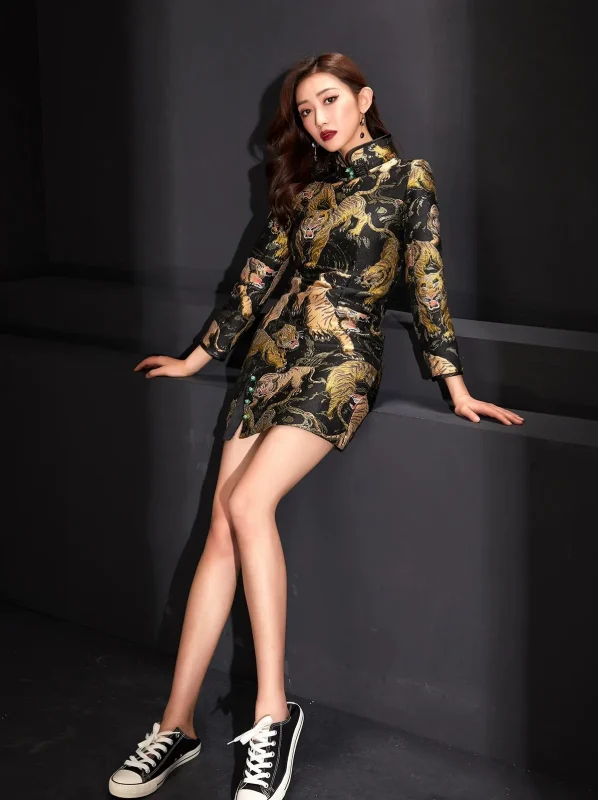
Modern qipao is a more everyday friendly, lightweight, and fashion updated version based on traditional qipao. It keeps the Eastern design elements of qipao, but usually offers a looser fit, greater comfort, and better adaptability for different body types and occasions. Modern qipao may feature shorter lengths, A line skirts, zippers, stretch fabrics, printed patterns, or simpler necklines, making it easier to fit into everyday outfits.
Modern Qipao vs Traditional Qipao: What Are the Key Differences?
The biggest difference between modern qipao and traditional qipao is not simply whether one looks newer than the other. More importantly, they are designed for different wearing needs. Traditional qipao focuses more on formality, body shape, and Eastern elegance, while modern qipao places greater emphasis on comfort, wearability, and styling flexibility.
The most practical way to choose is to ask yourself this: do you want a classic Chinese formal dress feeling, or a fashion forward qipao that still carries Eastern beauty with ease?
Silhouette and Cutting Differences
Traditional qipao is usually more fitted, with a strong focus on the natural curves of the waist, bust, and hips. The overall silhouette is more unified, and the fit creates a more defined shaping effect. Modern qipao, by contrast, often leaves more room in the shoulders, waist, and hem. Some styles even use an open front design, an A line shape, or a shorter length, which makes walking and sitting easier and makes the dress more suitable for daily life.
Fabric and Craftsmanship Differences
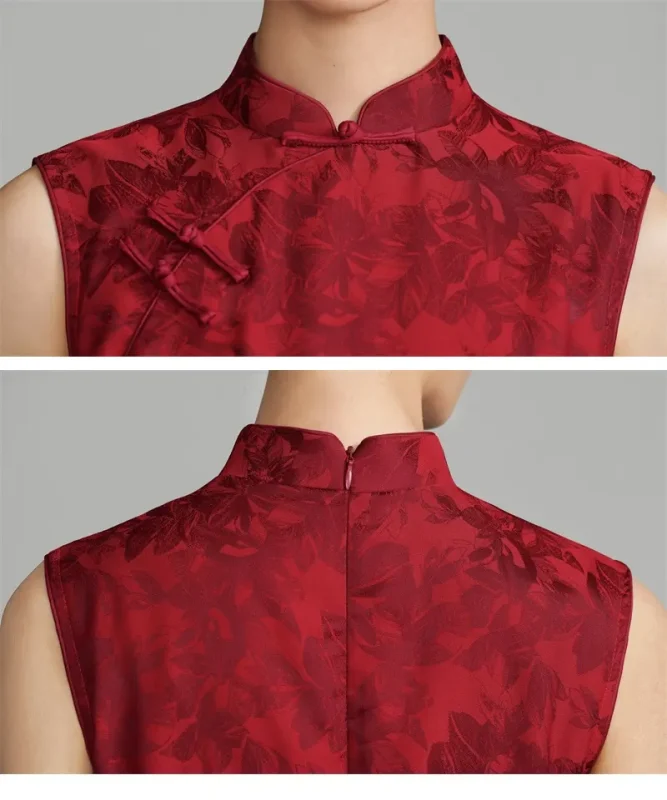
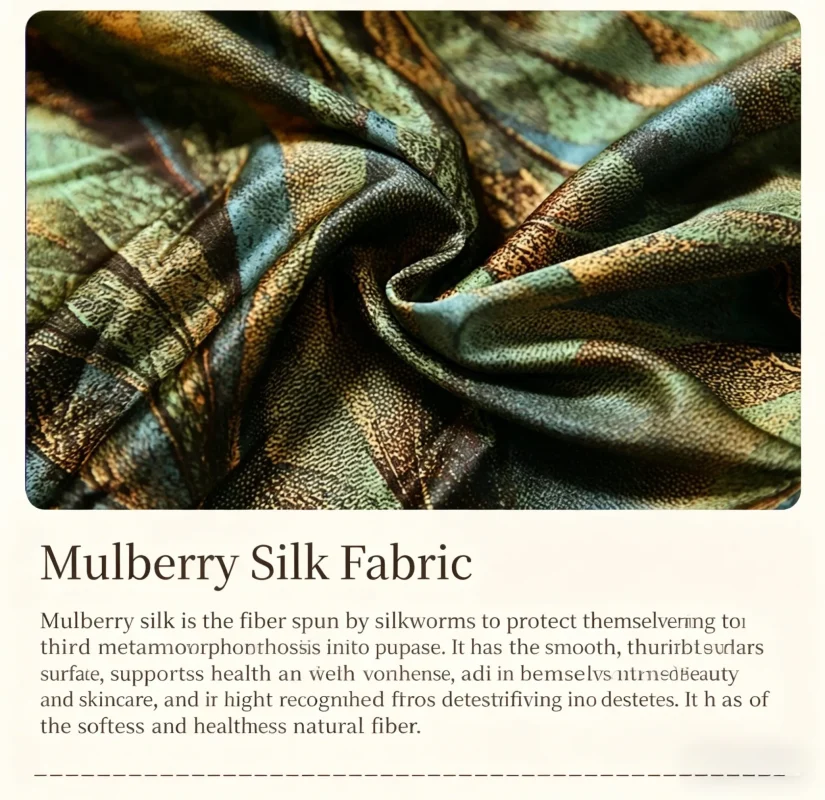
Traditional qipao often uses fabrics such as silk, satin, jacquard, or brocade. The craftsmanship also pays more attention to details such as frog closures, piping, embroidery, and lining construction. These pieces often feel more collectible and more formal, almost like a dress reserved for special occasions. Modern qipao, on the other hand, more often uses cotton linen, chiffon, blended fabrics, or stretch materials. These fabrics are lighter, easier to care for, and more comfortable for long wear. For most everyday needs, modern qipao is usually the more practical choice in terms of comfort, care, and styling.
Design Element Comparison
Traditional qipao has a more consistent design language. Common elements include a high collar, asymmetrical front closure, frog buttons, long sleeves or mid sleeves, and relatively restrained decoration. Modern qipao is more flexible. It may include V necks, sleeveless cuts, puff sleeves, shorter skirts, printed patchwork, or even silhouettes that are closer to Western dresses. Traditional styles feel more like Eastern formalwear, while modern styles feel more like fashion pieces that incorporate qipao elements.
Main Differences Comparison Table
| Comparison Item | Traditional Qipao | Modern Qipao |
|---|---|---|
| Silhouette | More fitted, more curve defining | More relaxed, more comfortable |
| Fabric | Silk, satin, brocade, jacquard | Cotton linen, chiffon, blended fabrics, stretch fabrics |
| Craftsmanship | More detailed, more traditional | More practical, more production friendly |
| Style | Elegant, classic, formal | Stylish, relaxed, everyday friendly |
| Best For | Weddings, dinners, festivals, ceremonies | Street photos, afternoon tea, travel, gatherings |
| Wearing Experience | More formal, but less forgiving | Easier to wear, more versatile |
How to Choose Traditional Qipao or Modern Qipao Based on the Occasion?
When choosing a qipao, the occasion matters more than which style is currently more popular. The same dress may look elegant at a wedding but feel too formal in everyday life. On the other hand, a lighter qipao that works well for photos may not feel formal enough for a serious event. The safest approach is to start with the nature of the event, then look at the silhouette, color, and fabric.
Formal Occasions, such as Weddings, Ancestor Worship, and Dinners
Formal occasions are better suited to traditional qipao, or to modern qipao that still carries strong traditional elements and a high quality finish. For weddings, red, deep red, champagne gold, or bright red embroidered styles are excellent choices. For dinners, darker satin, jacquard, or silk fabrics work well. For ancestor worship or family ceremonies, it is better to choose more restrained colors and a modest design, avoiding too much exposure or overly dramatic details. This approach feels more respectful and naturally creates a graceful and polished impression.
Daily Occasions, such as Street Photos, Afternoon Tea, and Family Banquets
Modern qipao is usually the better choice for daily occasions. Shorter lengths, lighter fabrics, relaxed fits, soft prints, or simple solid colors all create an effortless look. For afternoon tea, casual gatherings, or travel photos, modern qipao does not feel too formal and can be styled easily with heels, flats, a small bag, or pearl accessories. Family banquets are also a great setting for this kind of dress, since it offers the feel of qipao without looking overly ceremonial.
Modern Qipao and Traditional Qipao FAQ
Q: Which one is more slimming, modern qipao or traditional qipao?
A: Traditional qipao usually follows the body more closely, so it can make the waistline and overall proportions look more defined. However, if the fit is not right, it may also highlight areas you would rather not emphasize. Modern qipao offers more room for error and works well for a wider range of body types, especially for those who want comfort and a more natural look.
Q: If this is my first time buying a qipao, which one should I choose?
A: For a first purchase, modern qipao is usually the better starting point. It is easier to wear, easier to move in, and more forgiving across different body types. Once you become more familiar with length, collar shape, and fabric, it becomes much easier to explore traditional qipao and find a style that truly suits you.
Q: Is traditional qipao only for very formal occasions?
A: Not necessarily, but it does work best for formal settings. Traditional qipao tends to feel more elegant and composed, which makes it a strong choice for weddings, festivals, dinners, and cultural events. If you want to wear a qipao more casually, a lighter modern version is usually the more practical option.
Q: Does fabric matter when choosing a qipao?
A: Yes, very much. Fabric directly affects drape, comfort, the slimming effect, and how formal the dress feels. Silk and satin are better for traditional or dressy settings, while cotton linen, chiffon, and blended fabrics are more suitable for casual and relaxed styling. In many cases, fabric is even more important than the print or pattern.
Q: What body types suit qipao best?
A: Qipao can suit many body types. The key is choosing the right cut. Traditional qipao is better for those with clear lines and a preference for a fitted look. Modern qipao is more friendly for pear shapes, apple shapes, or anyone who wants more coverage around the hips or midsection. As long as the length, waist placement, and bust fit are right, most people can find a style that works for them.